
Written from Dublin, from beaches in Kerry and Clare, and from country-house dining rooms at six in the evening, across school holidays spent here rather than visited
Six in the evening in a country-house dining room in Clare, and there are four American children at the long table by the window who have been in the sea, in a boat and up a hill since breakfast. The youngest is asleep against her father before the plates are cleared. The parents look wrecked and pleased. At the next table another family arrived that afternoon from Dublin by way of the Cliffs of Moher and Galway, three and a half hours of driving with two stops, and their children are melting down over bread. Same country, same weather, same money. The difference is the shape of the day. Ireland is one of the easiest countries in Europe to travel with children, and Americans still manage to ruin it in the same three ways: too many bases, too much driving, and an itinerary written for adults with the children bolted on. Fix those three and the trip works almost by itself.
Should You Bring The Children To Ireland?
Yes, and we say that without the hedging most family travel writing hides behind. English is the language, the food is familiar enough at the edges that nobody starves, the driving distances are genuinely short by American standards, hotel staff here are unbothered by children in a way you will notice within an hour, and the two things Irish childhood is actually made of, water and open ground, are free and everywhere. There is no altitude, no heat risk, no insect problem, no water you cannot drink. A seven-year-old from Boston can be knee deep in the Atlantic four hours after landing.
The honest exceptions are worth stating. Ireland is a poor choice if your children need reliable outdoor weather to be happy, because you will get wet days and you will need to be relaxed about them. It is a poor choice as a two-week grand tour, because the touring itinerary is exactly what breaks families here. And it is the wrong trip if the adults have a list of things they have waited twenty years to see, because you will spend the week resenting the children for the itinerary you wrote.
The trip that works is smaller than the one you are currently planning. Two bases in seven nights, three in ten. One objective a day, in the morning. Afternoons on a beach, in a field, in a pool or in the hotel grounds. Dinner early. That is the whole method, and everything below is detail on how to execute it.
The Age Question, Answered Plainly
Under five, come only if the trip is really a stay. One flight, one car journey of no more than ninety minutes, and one property with grounds, food available at odd hours and a bath big enough to be an event. Skip the second base entirely. Skip Dublin unless you have family reasons for it. Toddlers do not care where they are, they care whether the day is calm, and jet lag going east is brutal at that age. If you are considering three counties with a two-year-old, do two nights of the same trip and add a year.
Five to nine is the sweet spot, and if you have any control over timing this is the age we would spend the money on. They are old enough to walk two miles for a reason, remember a boat, and be genuinely frightened by a good castle. They are too young to want wifi more than a beach. Build the week around animals, water, boats and one castle done properly, and let the adult interests happen in the gaps: a house you want to see while they run the lawn, a long lunch outdoors, a bookshop while the other parent takes the beach shift.
Ten to thirteen is the age at which Ireland gets more interesting rather than less, because they can now do the real things. A five-mile walk in Kerry. A surf lesson in Clare or Sligo. Sea kayaking. A day on Inis Mór on bicycles. This is also the age at which history stops being a lecture, so Kilmainham Gaol, Newgrange and the famine story land properly and change how they think for the rest of the trip. Give them one decision a day that is genuinely theirs and the whole week improves.
Teenagers need a different currency. They will not be bought with scenery. Give them one city with a pulse, real independence inside a safe perimeter, food they choose, music, a surf or climbing session, and a hotel with decent wifi that you do not apologise for. Dublin and Galway both work. Two teenagers in a country house forty minutes from a shop is a long week for everybody, and we have watched it happen.
The Driving Rule: Two Hours Is The Ceiling
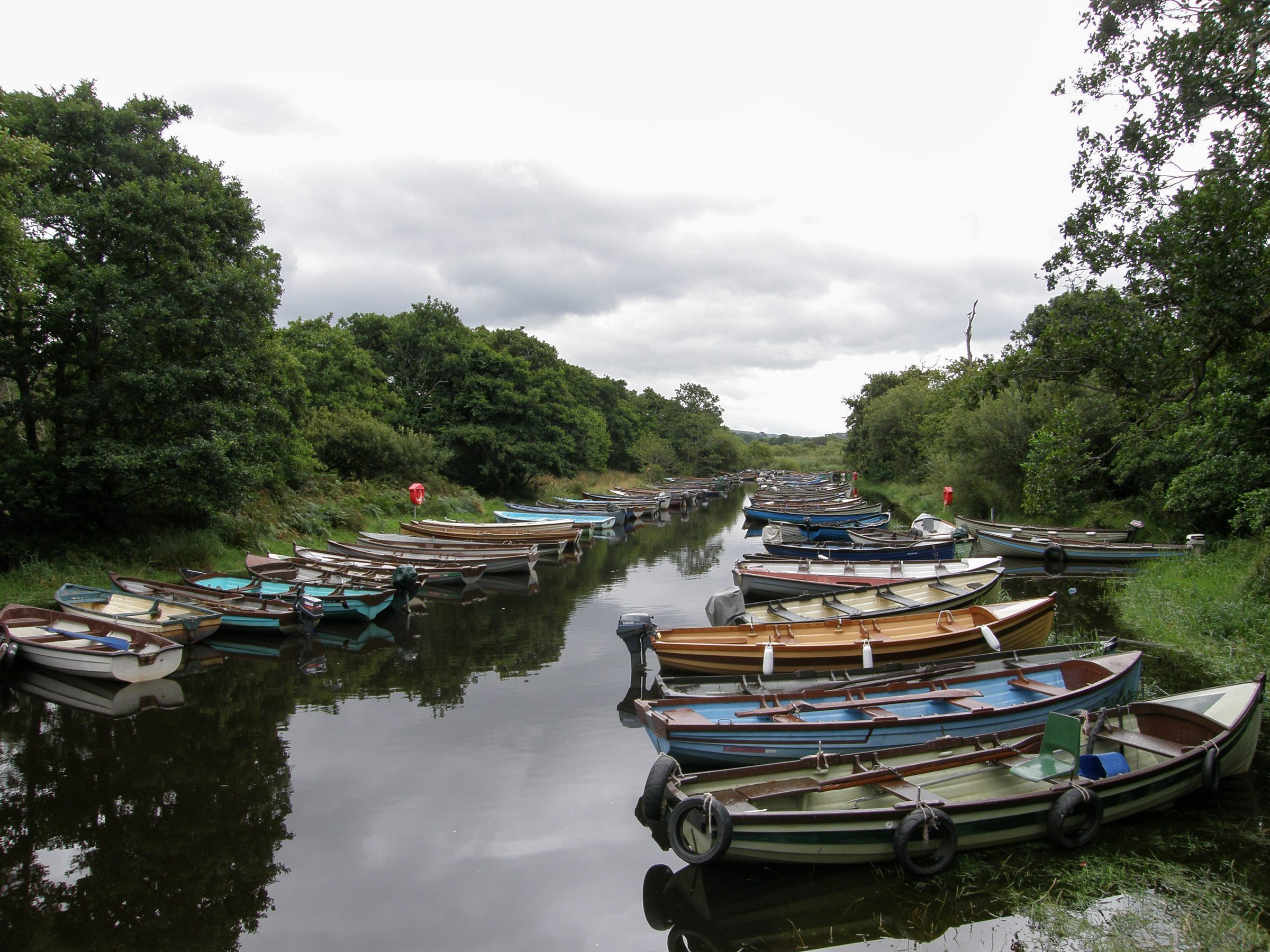
This is the rule that saves the trip. No driving day longer than two hours behind the wheel, and preferably ninety minutes, split by a stop. It sounds conservative on a map where everything looks close. It is not. Irish distances are short and Irish roads are slow: the motorways are quick and fine, but the moment you leave them you are on an R road that is a lane and a half wide, hedged to the height of the car, with a tractor and a coach and no shoulder to hide in. Twenty miles can take fifty minutes. Add a car sick child on the Kerry and Connemara coast roads, which bend constantly and climb, and you have an afternoon nobody recovers from.
The classic American mistake, and we see it monthly, is the Ring of Kerry in a day with children, or Dublin to the Cliffs of Moher and back. Both are legal, both are on somebody's blog, and both are six or seven hours of car for one photograph and two toilet stops. If the children are under ten, cut the loop in half and turn back, or take the shorter Slea Head drive out of Dingle instead, which delivers more coast in a third of the time.
Practically: book an automatic, and book it early, because automatics are a minority of the Irish rental fleet and the last ones are expensive. Take the full excess insurance and stop arguing with yourself about it, because a wing mirror on a stone wall is close to a rite of passage here. Bring or pre-book car seats: Irish law requires children under 150 centimetres or 36 kilograms to use an appropriate restraint, and a rear-facing seat can never go in a front seat with an active airbag. Rental car seat quality is a lottery, so if you have a seat you trust and the airline will take it free, bring it.
One more thing. Consider not driving at all for part of the week. Dublin needs no car and parking it there costs you money and stress. The train to Cork or Galway is quick, and a car and driver for a single transfer day is cheaper than most people assume when you weigh it against a rental week you barely use. We have done Dublin by rail and one country base by driver with young children and it was the calmest version of this trip we have run.
Where To Base, And Where We Would Not

Dublin first, for two or three nights, and not four. It is compact, walkable, safe in the ordinary sense, and it absorbs jet lag well because you can fail at a day here without consequence. What works with children: the Natural History Museum, which every Irish child calls the Dead Zoo and which is free and gloriously old fashioned, Dublin Zoo in the Phoenix Park with a picnic and no schedule, the Viking and Kilmainham stories for the older ones, and Howth or Dún Laoghaire on the DART for the sea, chips and a headland walk. We have written the city end of this up separately in Dublin with kids. Get out on the third morning.
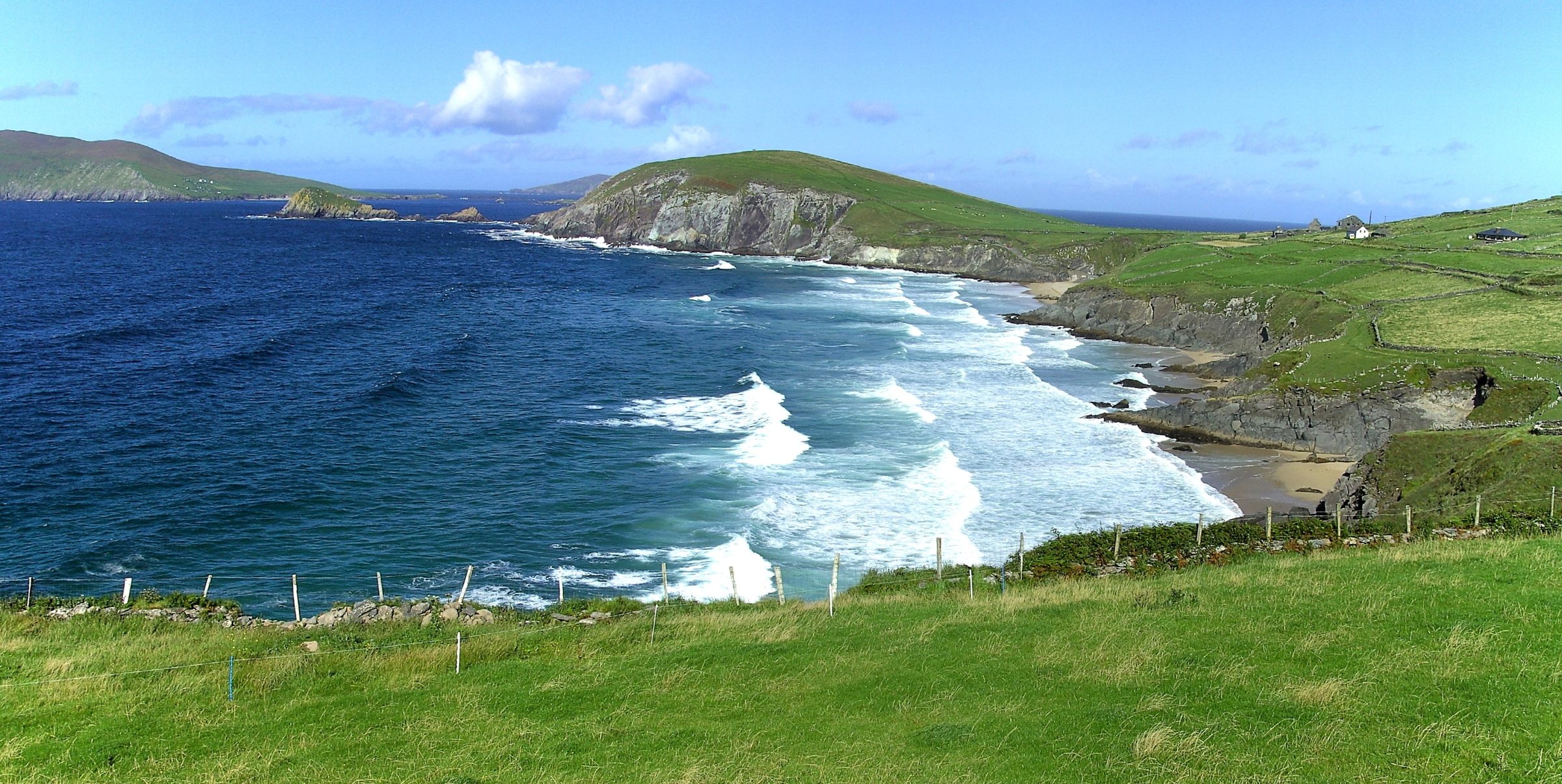
Then pick one coast and stay put. Kerry is the strongest single base for a family: Dingle town is small enough for a ten-year-old to have some rope in, the beaches at Inch and Ventry are enormous and shallow, the boats and the aquarium are there for a wet day, and the drives are short if you refuse the big loop. Clare is our other pick and possibly the better one for first-timers: Lahinch has a lifeguarded beach and a surf school culture that will take a nervous nine-year-old and hand you back a convert, the Burren is a landscape children can actually climb on, and the Cliffs of Moher are twenty minutes away rather than a day trip.
Cork and the harbour towns are the quiet third option and they suit families who want food and towns over big landscape. Kinsale, Cobh with the emigration story, Fota Wildlife Park where the animals are largely uncaged and the children are not, and Ballymaloe as the outlier country house where kids in the garden are the point rather than the problem. West Cork beaches are as good as Kerry with a fraction of the traffic.
Where we would not base a family on a first trip: Connemara and Donegal, both beautiful and both a long way from a pharmacy at nine at night, which matters more than you think when someone is sick. Anywhere requiring a ferry as the only access. Belfast as a base rather than a stop. And any plan with a one-night stay in it, because every one-nighter costs you a packing morning and an unpacking evening, and children pay that bill twice.
Hotels That Genuinely Work With Children
The judgment we apply is simple and it is not about stars. Does the property have ground the children can be released onto without supervision anxiety, does it feed them before seven, can you get two connecting rooms or a family room without a phone negotiation, and does the staff response to a loud child read as pleasure or tolerance. You can tell within twenty minutes. Grounds beat glamour every single time on this trip.
The properties we send families to without hesitation: Adare Manor, which has the grounds, the pool, a children's programme that is not an afterthought, and a village outside the gate. Sheen Falls Lodge in Kenmare, where the river, the woods and the bicycles do most of the parenting. Dromoland Castle, which has falconry, boats, archery and a swimming pool, and which is twenty minutes from Shannon airport, making it the best first-night landing in Ireland with tired children. Ballynahinch Castle if you are going west anyway, because the river walk and the freedom of the estate are worth the extra driving. And Ballymaloe House in Cork, which is the least formal of them and possibly the happiest.
The country houses we love and would not bring young children to, and we would rather say this than have you find out at dinner: Ballyfin, which is adults in practice and priced as an occasion. That is not a criticism of Ballyfin, it is a criticism of bringing a six-year-old to it. Several of the smaller Georgian houses have quiet drawing rooms and single dining sittings that make a restless child everybody's problem, including yours. Ask two questions when you book: is there a children's dinner and at what time, and are there other families in that week. The answers tell you everything.
In Dublin the calculation changes, because you want location over grounds. The Shelbourne and The Merrion both handle families properly and both sit inside a ten-minute walk of the parks and museums you came for, and the Merrion's pool matters on a wet afternoon. If the budget is better spent on the country half of the trip, a good apartment near Grand Canal or Ballsbridge with a washing machine will buy you a calmer week than a cramped hotel room with four people in it.
What Children Actually Remember
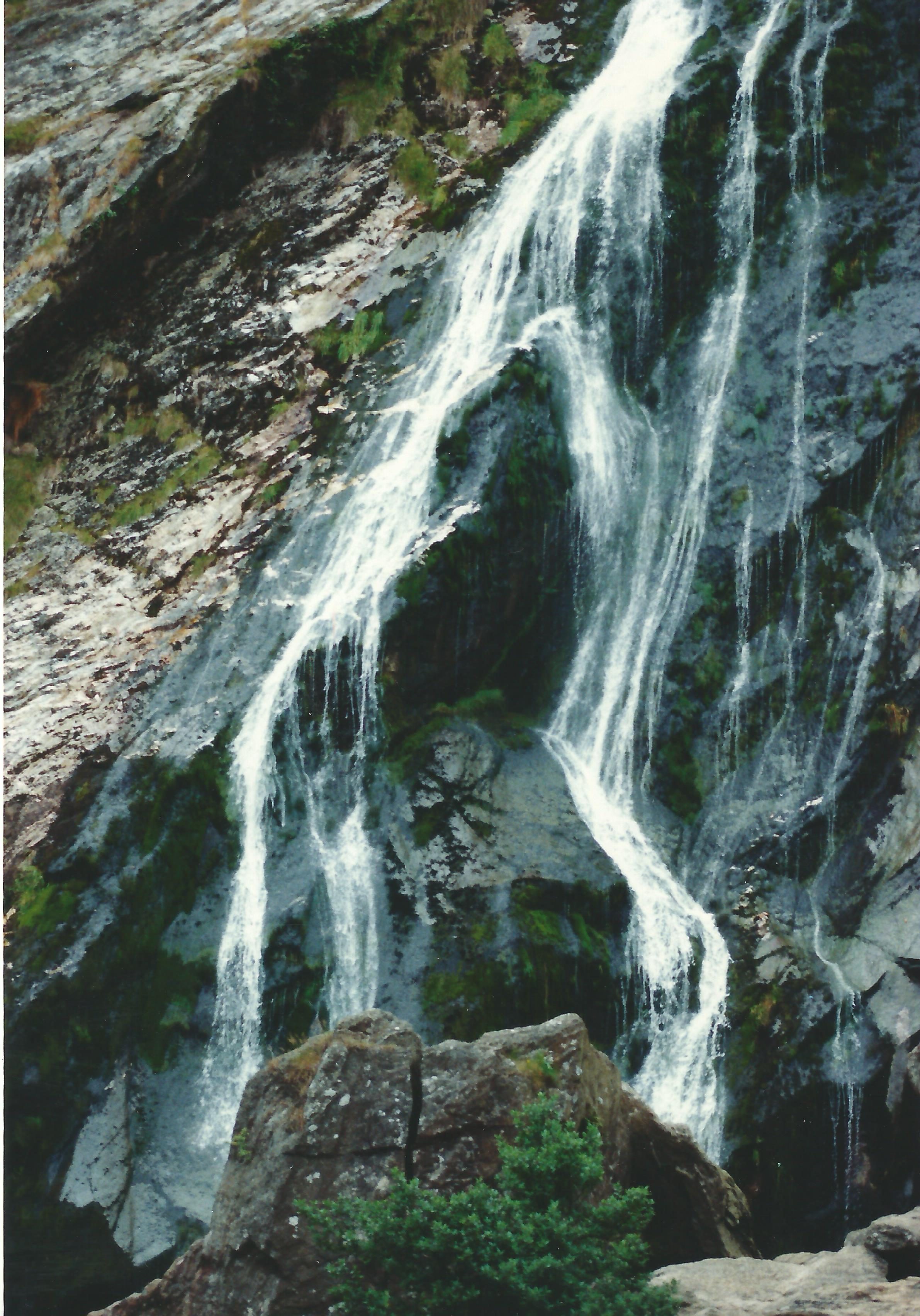
Not the drives, and not the views you stopped for. Ask an American child six months later and you get water, animals, one castle, and something they were allowed to do themselves. So build the week from that list. Beaches: Inch, Ventry, Lahinch, Barleycove, Keem. Cold, huge and shallow, and a wetsuit turns fifty-eight degrees into three hours. Boats: the Dingle harbour trips, the ferry to Inis Mór with bicycles at the other end, a Killary or Kenmare bay cruise. Animals: Fota, Dublin Zoo, a sheepdog demonstration in Kerry or Connemara, which sounds like a tourist exercise and reliably produces the best twenty minutes of the week.
One castle, done properly, beats four done at pace. Ross Castle at Killarney by boat, Bunratty for the folk park rather than the banquet, Cahir for the sheer scale of it, Blarney for the grounds and the poison garden rather than the stone. And one piece of real history for anyone over ten, because it is the thing that makes them think about Ireland rather than photograph it: Newgrange, older than the pyramids, or Kilmainham Gaol, or the famine ship in New Ross if you are anywhere near it, which lands harder for an Irish American family than anything else in the country.
The anti-list matters as much. We would skip: the Ring of Kerry in a day, the Cliffs of Moher as a long day trip, any distillery tour with children in tow, cathedral interiors beyond one, souvenir shopping in Killarney, medieval banquets, and the entire genre of attraction whose value is that you can say you were there. Children are ruthless about this and they are usually right. If the adults want a house, a garden or a gallery, take it in a ninety-minute window with a bribe attached and everybody survives.
Wet Days, Dinner Times And The Pub Question
You will get at least one sideways-rain day in a week and the trick is to spend it well rather than fight it. Our order of operations: pool in the morning if the hotel has one, a genuinely good indoor thing at midday, and a long lunch. The indoor things that hold up are the Dead Zoo and the National Museum in Dublin, the aquarium in Dingle, Fota's indoor sections, Bunratty's folk park under coats, and any decent town with a bookshop and a bakery. A wet afternoon in a hotel with a fire, a jigsaw and afternoon tea is not a failed day here, it is the day people remember as cosy.
Dinner is the logistical thing Americans get wrong. Irish and country-house kitchens tend to serve children early, around half five to half six, and then run adult service later. This is a gift, not a restriction. Take the early sitting, feed them well, then either eat with them or hand over and have a proper dinner at eight when they are done. High tea in a country house, which is a full early dinner rather than sandwiches, is the single most useful institution in Irish family travel and almost nobody books it deliberately.
The pub question comes up constantly, so here is the rule. Children under fifteen may be in a licensed premises with a parent or guardian, and they must be off the premises by nine in the evening, or ten from May through September. Individual pubs can be stricter and food-led pubs are the easy ones. So the plan is lunch or an early evening in a pub with a fire and music if there is any, and out before nine, which is when the room changes anyway.
Two practical notes. Supermarkets are your friend: Dunnes, SuperValu and Tesco will solve breakfast, snacks and the picky eater without drama, and a cooler bag in the car ends most roadside crises. And the picky eater does fine here. Brown bread, good butter, chowder, chips, sausages, scrambled eggs and ice cream carry any child through a week, and Irish dairy is good enough that a plain plate is not a defeat.
The Ireland Edit Family Week
Seven nights, two bases, one car collected on day three. Day one, land in Dublin in the morning, do not sleep, walk to St Stephen's Green, feed them, take the DART to Howth for chips and the cliff path if anyone is upright, and be in bed at eight. Day two, the Dead Zoo and the National Museum before lunch, then the Phoenix Park or the Zoo with a picnic, then early dinner. Day three, one older-child thing in the morning, Kilmainham or the Viking exhibition, then collect the car after lunch and drive to Clare or Kerry. That drive is the longest of the week and you are doing it after the city, not before it.
Days four through seven, one base on the coast. Day four is beach and nothing else, because they need it and so do you. Day five is the one objective: the Cliffs of Moher early from Clare, or Slea Head from Dingle, home by two. Day six is water again, a surf lesson, a boat, or the island if the sailing is clean. Day seven is the local town in the morning, the hotel grounds and pool in the afternoon, and the good dinner you have been saving. Day eight, drive to Shannon and fly out, which is a twenty-five-minute run from most of Clare and the reason we route families out of Shannon rather than back to Dublin.
If you have ten nights, add a third base rather than more driving from the first two: three in Dublin, three in Kerry, four in Clare, or the Cork version with Ballymaloe in the middle. If you have five, cut Dublin to two and stay put after that. Whatever the length, protect the shape: mornings out, afternoons free, dinner early, one drive that matters.
The families who love Ireland are not the ones who saw the most of it. They are the ones who came home with a child who can name a beach, a boat and a castle, and who asks when you are going back. That trip is a smaller trip than the one on your spreadsheet, and it is entirely within your control to book it that way.
Questions we get asked
- Is Ireland good for a family holiday with kids?
- Yes, and it is one of the easier countries in Europe to do it in. English is spoken, distances are short, hotels are genuinely relaxed about children, and beaches, boats, animals and castles cover most ages. The failure mode is not the country, it is an itinerary with too many bases and too much driving.
- What is the best age to take children to Ireland?
- Five to nine is the sweet spot. They can walk a couple of miles, remember a boat trip and be properly impressed by a castle, and they do not yet need a city to be happy. Ten to thirteen is the best age for the history, and under fives are fine if you treat the trip as one stay rather than a tour.
- How many days do you need in Ireland with children?
- Seven nights across two bases is the honest minimum for a first trip: two or three in Dublin, four on one coast. Ten nights lets you add a third base. Anything shorter should stay in one place rather than trying to cover ground.
- How much driving is too much in Ireland with kids?
- Two hours behind the wheel is the ceiling, ninety minutes with anyone under ten, and split it with a stop. Irish R roads are narrow and slow, and the coast roads in Kerry and Connemara bend enough to make car sickness a real planning factor.
- Do I need car seats in Ireland, and can I rent them?
- Yes. Children under 150 centimetres or 36 kilograms must use an appropriate child restraint, and a rear-facing seat cannot go in a front seat with an active airbag. Rental seats can be booked but the quality varies, so bring your own if the airline carries it free.
- Do Americans need an International Driving Permit in Ireland?
- No. A valid US licence is accepted for visitors driving a hire car in Ireland. Bring the physical licence, not a photo of it, and take the full excess insurance from the rental company rather than assuming your credit card covers Ireland, because many cards specifically exclude it.
- Do children need their own passports for Ireland?
- Yes. Every US traveller, including infants, needs an individual passport. Ireland is not in the Schengen area, so the European entry systems that apply to mainland Europe do not apply here, but check current requirements before you fly and confirm separately if you plan to cross into Northern Ireland.
- Can children go into pubs in Ireland?
- Children under fifteen can be in a licensed premises with a parent or guardian and must leave by nine in the evening, or ten from May through September. Individual pubs may be stricter. Aim for lunch or an early evening in a food-led pub and be out before the room changes.
- What is the best month to visit Ireland with children?
- Late May, June and early September. You get long daylight, warmer sea and full opening hours without the peak July and August crowding and pricing. If you are tied to school holidays, book coastal hotels six to nine months out, because the good family properties fill first.
- Where should we base ourselves in Ireland with kids?
- Dublin for the first two or three nights, then one coastal base. Kerry around Dingle or Kenmare, or Clare around Lahinch, are the two we recommend most. Cork and the harbour towns are the quieter third option. We would not base a first family trip in Connemara or Donegal.
- What do you do in Ireland with children when it rains?
- Pool in the morning, one good indoor thing at midday, and a long lunch. The Natural History Museum and National Museum in Dublin, the Dingle aquarium, Bunratty's folk park and any town with a bakery and a bookshop all hold up. A hotel afternoon with a fire and afternoon tea counts as a good day here.
- Is Ireland expensive for a family?
- Hotels and rental cars are the two costs that surprise Americans, particularly in July and August, when a good family room can run four hundred to eight hundred dollars a night. Food is manageable if you use supermarkets for breakfast and lunch and take the early children's dinner rather than eating out twice a day.
How we checked this
Further reading from the Notebook
- Halloween in Ireland, the family reference
- Christmas in Ireland, with children
- Ireland in winter, if you are coming off season
- When to come, month by month
- The first Ireland trip, seven days honestly
- The Ireland packing list, seriously
- Country house hotels we trust with children
- Where to stay in Dublin
- Dublin with kids, the city half of the trip
- Choosing a country house for Christmas and winter