A note from Deborah. Read her editorial perspective
This is the unvarnished advice we give our friends. The ones who call from New York or San Francisco, planning their first and possibly only trip to Ireland, determined to do it right. They have a week. They have a healthy budget. They want the truth, not a brochure. They want to know what we would do. This is what we send them. It is the spine of a proper first visit, built for two bases, not seven, because your time here is too valuable to be spent packing.
Why Two Bases Always Beats Seven
The most common mistake we see first-time visitors make is trying to replicate a coach tour itinerary with a rental car. The logic seems sound: Ireland is small, so you can see a lot of it by moving every day. The reality is a self-inflicted wound of constant packing, unpacking, checking in, and checking out. A two hour drive, on paper, consumes half a day. You surrender your morning to logistics, arrive at a new hotel in the afternoon with just enough time for a quick walk before dinner, and then repeat the process the next day. You spend your trip in a state of transit, never truly arriving anywhere. Your memories become a blur of motorways and hotel lobbies.
We are advocates for settling in. By establishing two distinct bases over seven nights, you give yourself the gift of time and place. You can learn the back roads, find a favorite pub, and actually speak to a local for more than the time it takes to order a pint. The cost of a hotel change is not just financial; it's a deep tax on your energy and your capacity to appreciate your surroundings. Our entire philosophy is built around minimizing this friction. We want your days filled with experiences, not the administrative trivia of travel. You came to Ireland to be here, not to constantly be on your way to the next dot on the map.
The Shape of a Proper First Week
For a seven night trip, we are resolute in our recommendation: a split between Dublin and County Kerry. We suggest three nights in the capital, followed by four nights in the country, using either Kenmare or Killarney as your base. This shape provides a clear, satisfying contrast between the Georgian city and the wild Atlantic coast. It gives you a taste of two very different Irelands, both essential to understanding the whole. It is a trip of substance, allowing you to go deep on the history, culture, and landscapes of two foundational regions.
Adopting this structure requires a trade off. We are telling you to skip Galway. We are telling you to leave Belfast and the Antrim Coast for another time. We are telling you that the celebrated landscapes of Donegal and West Cork will have to wait. This is not an oversight; it is a deliberate choice. A week is not enough time to do justice to the entire island, and trying to do so results in a shallow, rushed survey. For a first visit, the Dublin-Kerry axis provides the most rewarding experience. You sacrifice breadth for a depth that is profoundly more satisfying. It is the framework we use for our own visiting family for a reason.
Days 1 to 3: Settling into Dublin
Your first day is about managing the arrival. You will land at Dublin Airport (DUB), likely in the early morning. Our advice is simple: take a taxi directly to your hotel. Do not take the bus. The small savings are not worth the hassle of navigating a new city with luggage while jet lagged. For a proper sense of occasion, we recommend The Shelbourne or The Merrion Hotel, both institutions of Irish life. If you prefer something more restrained and residential, The Wilder Townhouse is an excellent choice. Day one is for recalibration. We suggest a walk through St. Stephen's Green, right at the doorstep of these hotels, followed by a simple, reviving lunch at Etto on Merrion Row. Plan for an early dinner, perhaps at The Winding Stair for its honest Irish cooking and views over the Liffey, and get to bed.
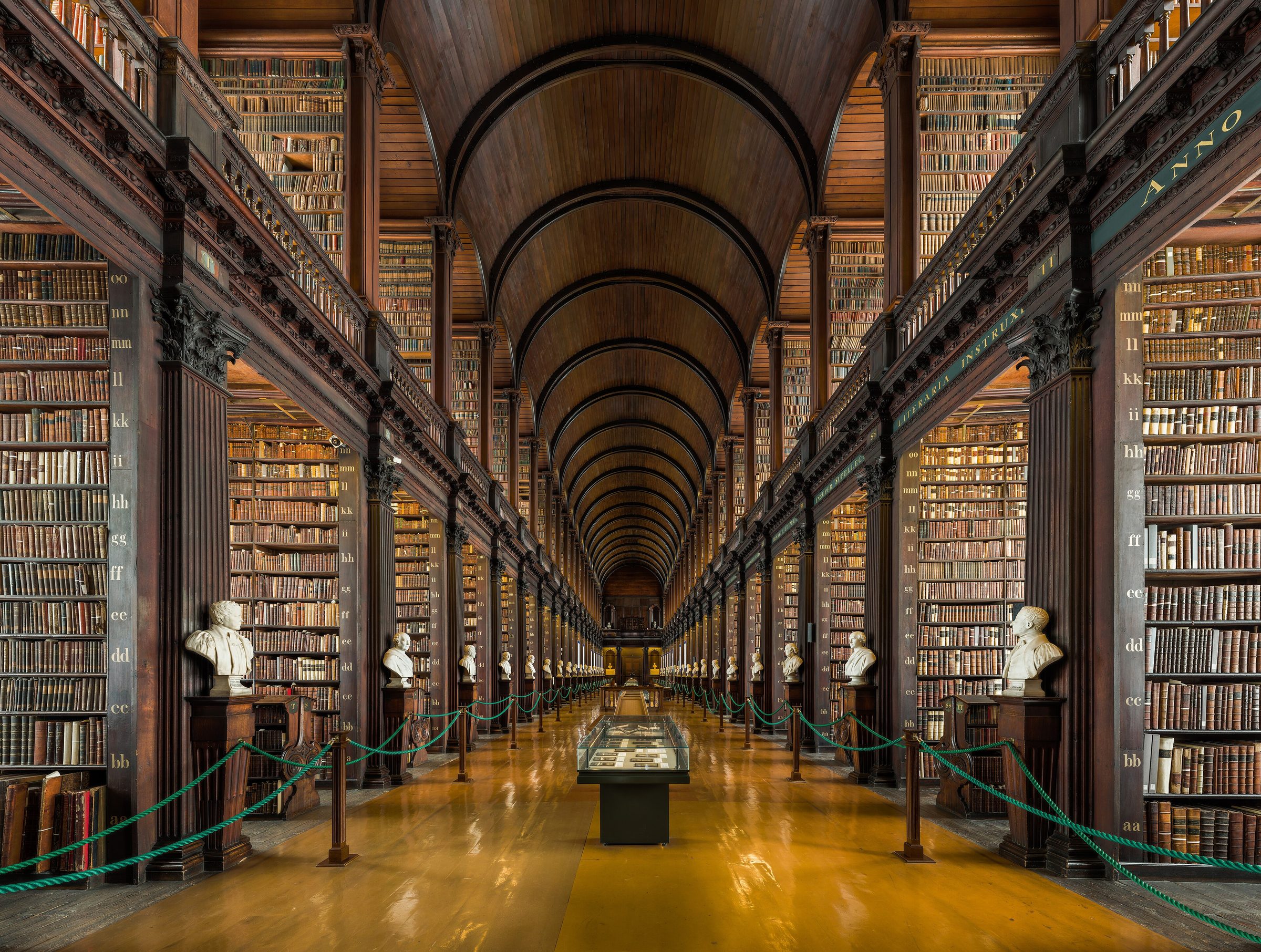
Day two is your real Dublin day. The key is to book your tickets for major sites weeks, if not months, in advance. Start with the Book of Kells at Trinity College; reserve the first slot of the morning to see the Long Room library before the crowds descend. From there, make your way to Kilmainham Gaol. The tour of this former prison is a powerful lesson in Irish history, and its popularity means it is almost always sold out. For dinner, your choice sets the tone. Chapter One offers a formal, Michelin starred experience that speaks to modern Ireland, while Pichet provides a more energetic French bistro atmosphere. On day three, we suggest a half day trip to the fishing village of Howth on the DART train. The sea air provides a welcome reset before you begin the next phase of your journey south. You will either collect your rental car in the afternoon or prepare for your transfer to Kerry.
The Transition Day: Dublin to Kerry
How you get from Dublin to Kerry is a critical decision that sets the tone for the rest of your week. We present clients with three options, but we strongly favor one. The first option is to drive yourself. The route, primarily the M7 and M8 motorways, takes roughly three and a half hours to Killarney without stops. We do not recommend this for most first time visitors on their first full day out of the city. Navigating out of Dublin, adapting to driving on the left, and managing a long motorway journey while still recovering from jet lag is an unnecessary stress. Do not plan to stop in Limerick or at the Rock of Cashel; you will be too tired, and it turns a long day into an exhausting one.
The second option is to take the train from Dublin's Heuston Station to Killarney and arrange for a car service or rental car pickup there. This is a functional choice, but it can be disjointed. Our preferred method, and what we insist on for most of our clients, is the third option: a private driver transfer. For a price of approximately €450 to €650, a professional driver in a Mercedes E-Class or similar vehicle will collect you from your Dublin hotel and deliver you directly to your Kerry accommodation. It transforms a day of travel into a day of relaxation. You can watch the countryside unfold, nap if you need to, and arrive refreshed and ready. This is the single biggest upgrade you can make to your itinerary.
Days 4 to 7: The Kerry Base
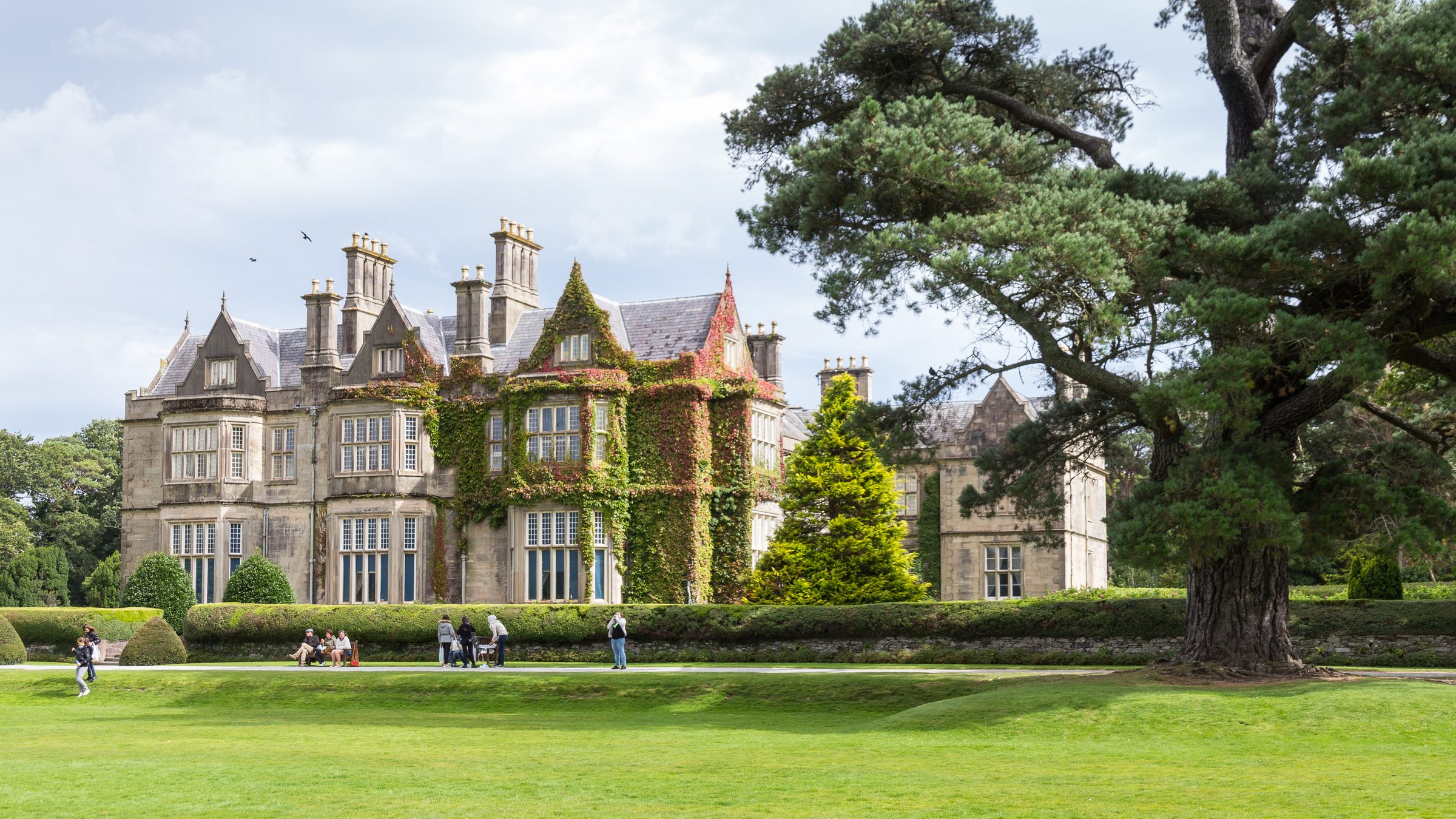
Upon arrival in Kerry, you will check in for four nights. Our preferred hotels here are Sheen Falls Lodge or the Park Hotel Kenmare, both of which offer a supreme level of comfort and act as a destination in themselves. Your first evening should be quiet: dinner at the hotel, perhaps a walk around the grounds. This is your base, your sanctuary after a day of discovery. From here, you will explore the region's famous peninsulas. On Day Five, you tackle the Ring of Kerry. The key is to drive it counter clockwise, leaving Kenmare by 8:30 AM. This puts you ahead of the tour coaches, which all travel clockwise. It makes a world of difference. We suggest brief stops in the tidy village of Sneem and the seaside town of Waterville. Plan your lunch for Cahersiveen at QC's Seafood Restaurant, a family run spot that serves what comes off the local boats.
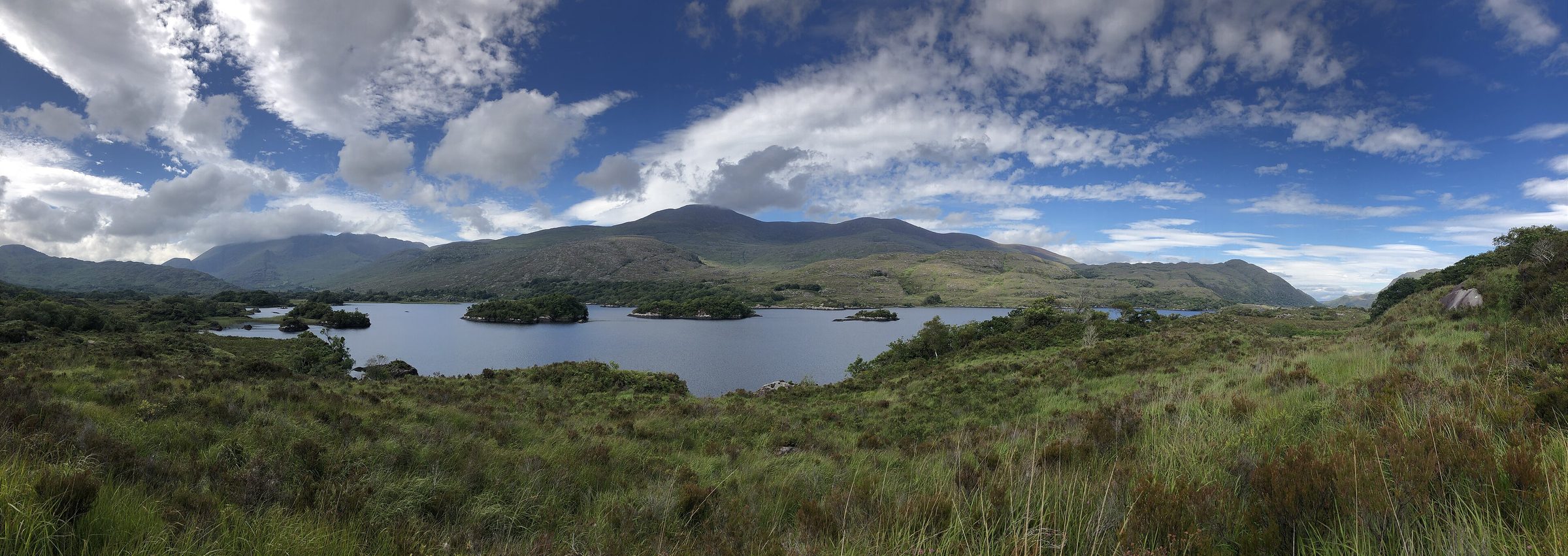
On Day Six, you will focus on Killarney National Park. There are many ways to see it, but we recommend a walk through the Gap of Dunloe, a classic glacial valley. You can hire a pony and trap for a portion of it if you wish. The landscape here is severe and elemental. After an active morning, you will appreciate a civilized afternoon. The afternoon tea service at the Park Hotel Kenmare is a local institution and a welcome indulgence. For your final full day, Day Seven, you will drive the Dingle Peninsula to Slea Head. Many, including us, consider this to be an even better coastal drive than the Ring of Kerry. The views of the Blasket Islands are profound. For lunch, head to Out of the Blue in Dingle town. They only serve seafood, and when they run out, they close. It is a commitment to freshness we admire.
What a Week Like This Actually Costs
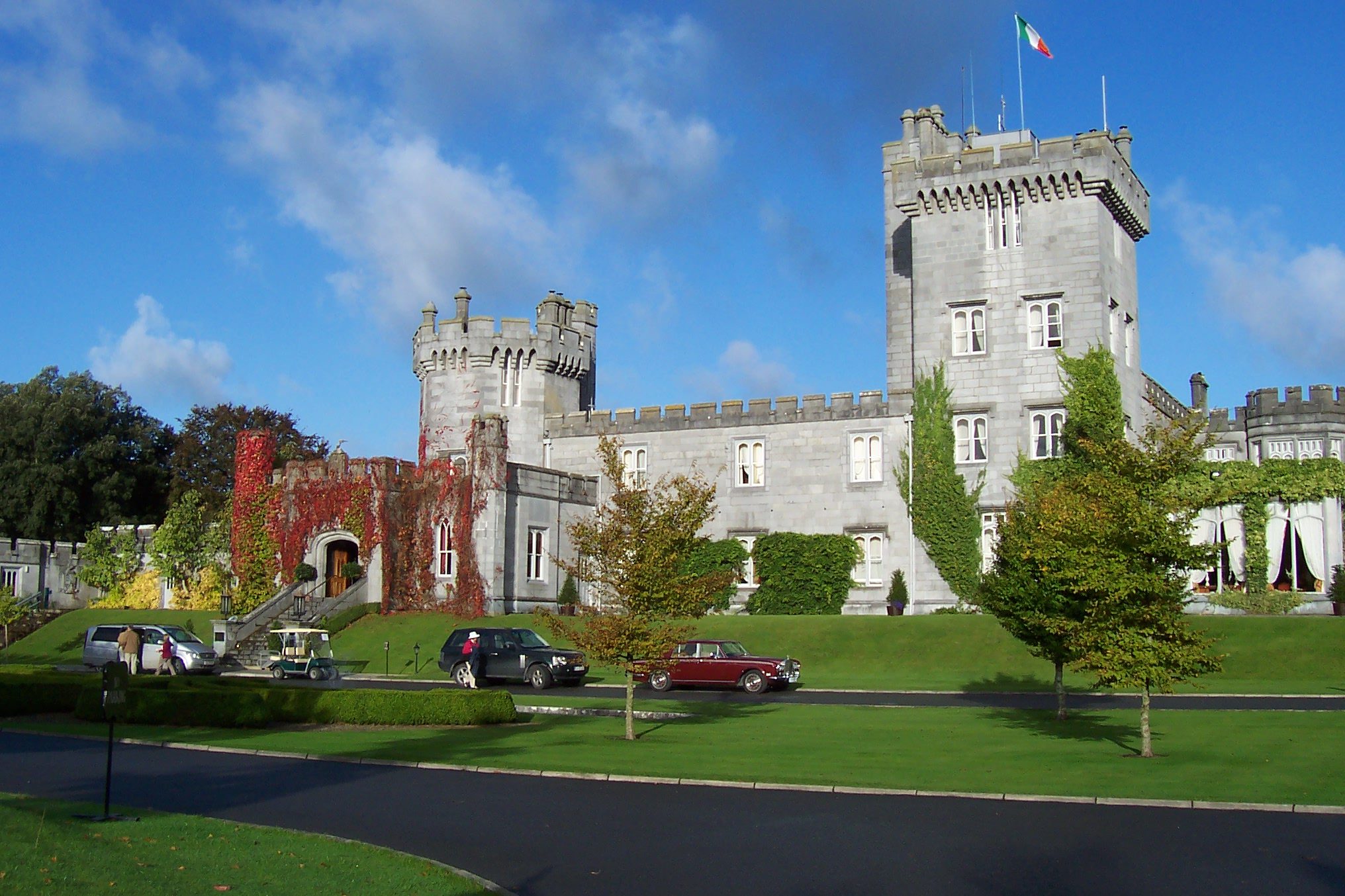
We believe in transparency about money. For affluent American travelers who want to do this trip properly, a certain budget is required. We want to be clear about what that looks like. These are honest 2026 price ranges for a couple traveling for seven nights. Round trip flights from the US East Coast to Dublin in economy class will typically fall between $1,200 and $2,400, depending on the season and how far in advance you book. For business class, expect to pay between $5,000 and $8,500 per person. These are often the largest single components of your budget.
Once in Ireland, your accommodation choices will be the next major expense. For a trip using the caliber of hotels we recommend, like The Merrion in Dublin and Sheen Falls in Kenmare, you should budget between €4,500 and €7,000 for your seven nights. Transportation, whether a premium rental car for four days or our recommended private driver transfer plus some local taxis, will range from €600 to €2,800. Finally, there is food and activity. For a week of meals at the level of Etto, Chapter One, and QC's, combined with entrance fees and perhaps a private guide for a day, you can expect to spend between €1,400 and €2,200. All told, a high-end, seven night first trip to Ireland for two people typically totals between €9,000 and €16,000, plus your international flights.
What We Cut and What We Add

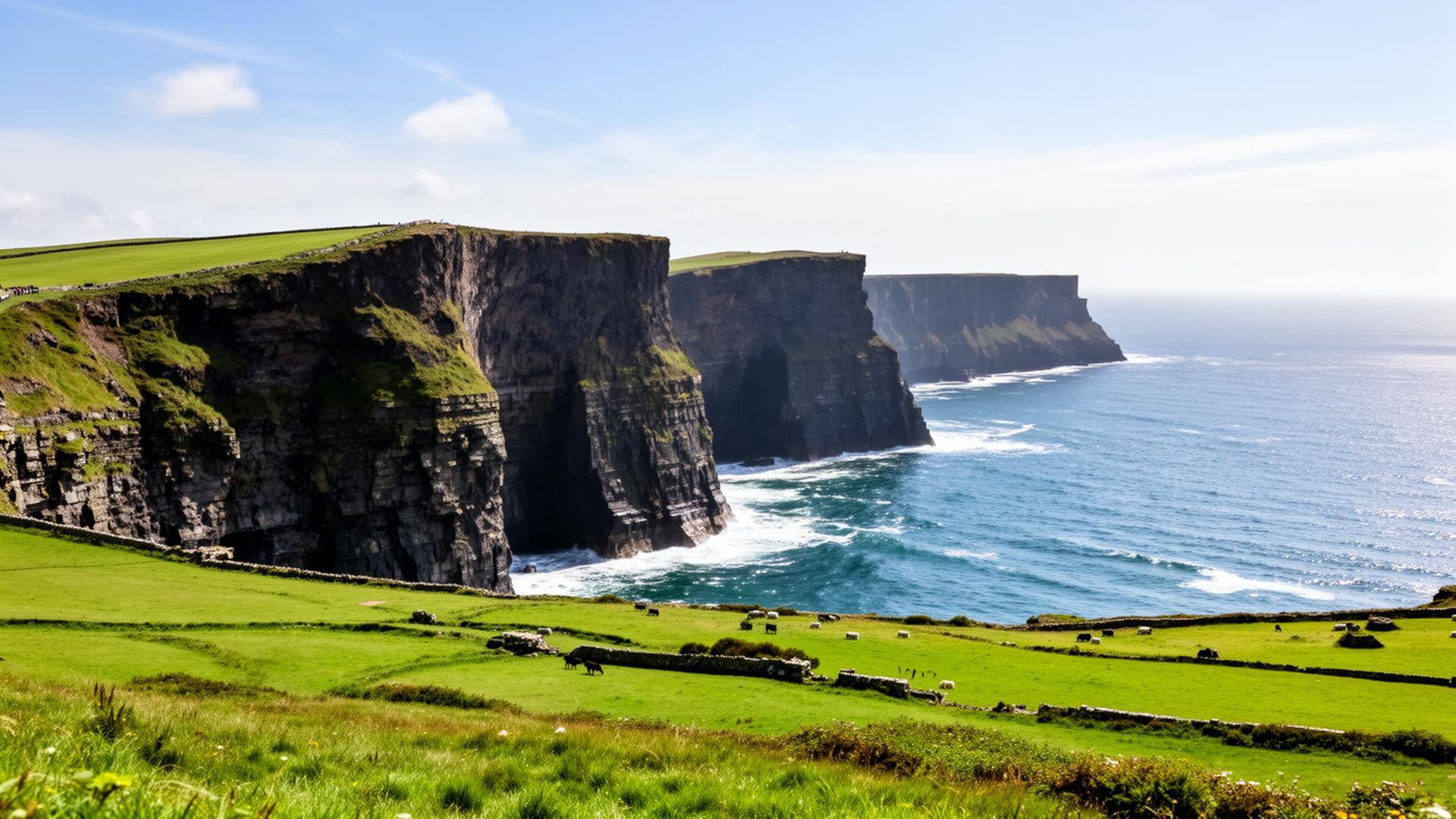
This itinerary is as much about what is left out as what is included. The default tourist loop tries to show you a highlight reel of the entire country. Our plan gives you the country itself. You are trading a checklist for an experience. When our friends push back and say they feel they are missing out on the Cliffs of Moher or the city of Galway, we tell them they are correct. They are missing them, and that is the point. Trying to cram those destinations into a seven day trip that already includes Dublin and Kerry would dilute the entire journey, reducing it to a series of long drives and fleeting glances. You would spend a full day in transit to see the Cliffs for an hour.
When clients have more time, our recommendations change. With ten days, the shape can evolve. We would likely add a third base, probably in County Clare. This would allow for a proper exploration of the Burren, a full afternoon at the Cliffs of Moher, and evenings spent listening to traditional music in Doolin or Milltown Malbay. It earns its place in the agenda because the time allows for it. For a first trip of only seven days, however, the discipline of the two base plan is what ensures its success. Resisting the urge to see everything is what allows you to truly experience something. The single most important decision is to reduce your number of hotel stays.
Further reading from the Notebook