
A note from Deborah. Read her editorial perspective
We get the 'When should I come?' email constantly. It’s the most important question, and most answers you will read online are diplomatic nonsense. Ireland doesn’t have four equal seasons; it has windows of opportunity. We want you to have the right trip, not just any trip. This is the calendar we use for our friends, our family, and our clients. It is opinionated because your time and money demand a real opinion, not a travel agent’s platitudes.
The Honest Framework
Let's be direct. Ireland has two high seasons of very different character. The first, and most crowded, is summer: late June through August. The second is a short, festive, and expensive window around Christmas and New Year's. The months we prefer, and the ones we consistently book for our most discerning clients, fall into the long shoulder seasons of spring and autumn. This is when you find the best combination of cooperative weather, accessible sites, and fair pricing. The myth that it 'always rains' is just that, a myth. We have more soft days with mist and passing showers than persistent downpours. A good waterproof jacket is essential, but you will not spend your entire vacation indoors.
Another misconception is that the country shuts down entirely outside of summer. This is not true for Dublin, Cork, or the larger towns. However, in more rural and coastal areas, particularly along the western seaboard, many smaller, family-run restaurants and attractions do close from November to March. This is a critical logistical point we manage for our clients. Your choice of month doesn't just determine the weather you'll encounter. It fundamentally shapes your itinerary, influencing everything from the availability of a table at a sought-after restaurant to the very mood of the landscape. We build trips for you that are appropriate for the season, not despite it.
January & February: The Quiet Season
These are the darkest and quietest months, and for a certain type of traveler, they are perfect. This is not the time for a first trip focused on ticking off outdoor sights. Instead, we use these months for clients on their second or third visit, often writers or couples seeking solitude. The appeal is the atmosphere: long, early evenings spent by a peat fire in the drawing room of a country house hotel. We booked a client into the Lady Caroline Coote suite at Ballyfin in February and secured a rate nearly 30 percent lower than what it commands in May. The short days, with sunset around 4:30 PM in January, force a slower pace that we find deeply restorative.
The trade-offs are significant, and you must be aware of them. Daylight is a limited resource, so your days of exploration are shorter. Many of the celebrated restaurants in counties like Clare and Kerry will be closed for their own annual break, and a walk along the Cliffs of Moher is entirely dependent on the day's volatile weather. This is not a season for a packed itinerary. It is a season for settling in. We suggest a four-night stay at a single, exceptional property, like Ballynahinch Castle or Sheen Falls Lodge, treating it as a destination in itself. Your entire experience becomes about the house, the fire, the food, and the conversation.
March & April: The Awakening
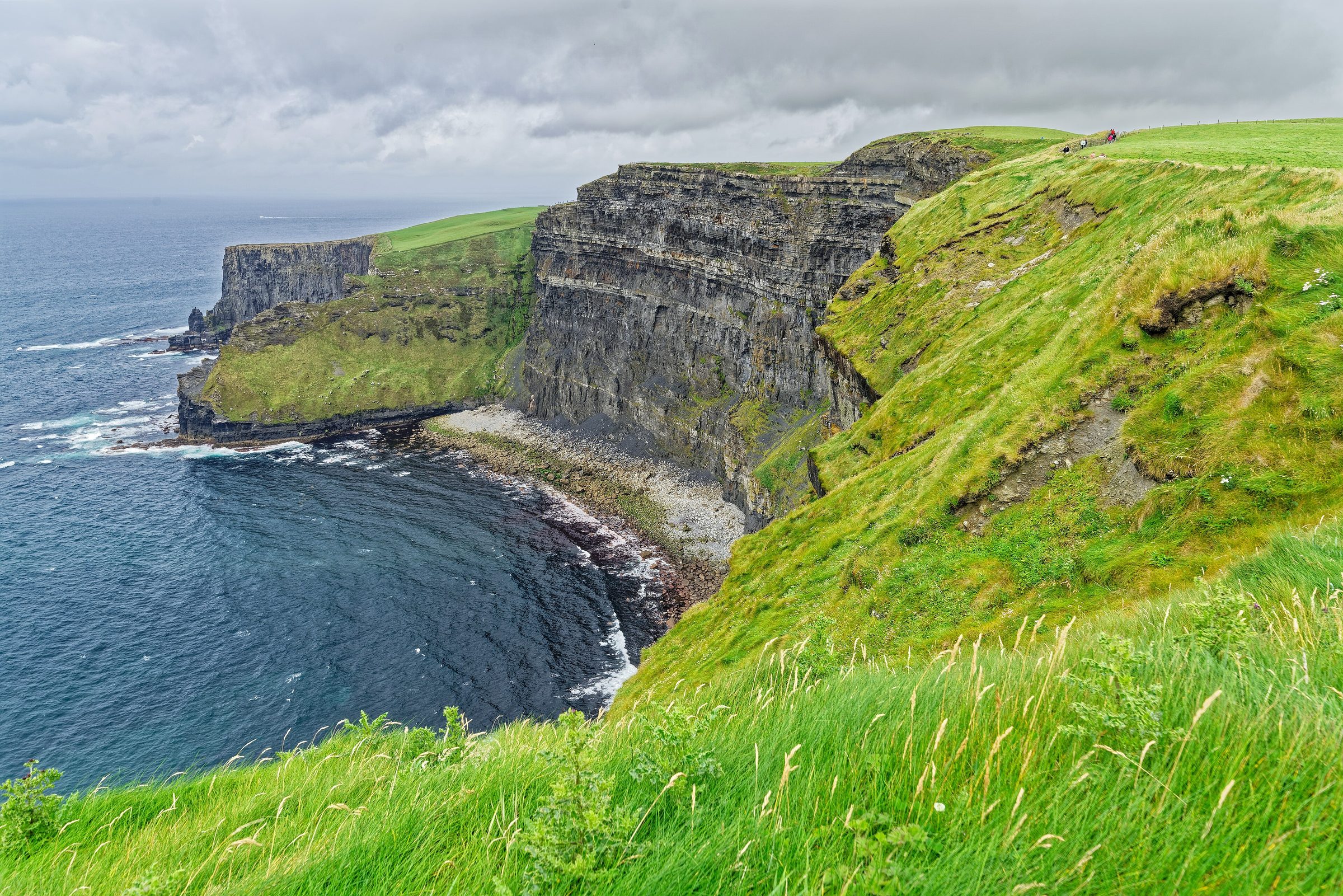
By early March, you can feel a distinct shift in the air. The severe darkness of deep winter recedes, and the country begins to stir. This is the season of new life, a theme that plays out literally in the fields, which are suddenly filled with newborn lambs. The sharp, clear light of the North Atlantic returns, and the growth in daylight hours is rapid. By the end of April, you have well over 15 hours of daylight, a dramatic change from February. We love the feeling of possibility that comes with these months. It feels as if the entire island is stretching after a long sleep.
Crowds remain thin through most of March, with one major exception: St. Patrick's Day. We advise everyone to avoid Dublin during that week; it's an amateur affair and not representative of a sophisticated Irish experience. The first real spike in visitor numbers comes around the Easter holiday, which can fall in either March or April. Prices, however, generally remain at off-peak or shoulder levels until the second half of April. For us, late April is one of the year's best-kept secrets. The weather is often stable, the gardens are beginning their show, and you can still experience popular sites without the crushing weight of summer crowds. It offers your trip a bit of breathing room.
May: The Single Best Month
If you force us to choose one month for the ideal trip to Ireland, it is May. It combines the best of all worlds: exceptional light, blooming gardens, and pricing that has not yet reached its summer peak. The evenings grow noticeably long, with sunset pushing past 9:00 PM by the end of the month. This extended daylight changes the entire rhythm of your day, allowing for a late afternoon walk followed by a 7:00 PM dinner reservation where it still feels like daytime. The air temperature is pleasant and, on the best days, can feel almost Mediterranean, even if the Atlantic water remains bracingly cool.
This is the month we book for our keenest gardeners and first-time visitors who want the green, lush version of Ireland from their imagination. The great gardens of Ireland are at their absolute apex. We build itineraries around the rhododendron collections at Powerscourt in Wicklow, the formal gardens of Mount Stewart in County Down, and the subtropical foliage on the island of Ilnacullin in West Cork. Because the main tourist season hasn't fully kicked in, there's a calmness to the experience. For these reasons, we book more of our clients into trips in May than any other month of the year. We find it offers the highest return on your investment of time and resources.
June, July & August: Honest High Season
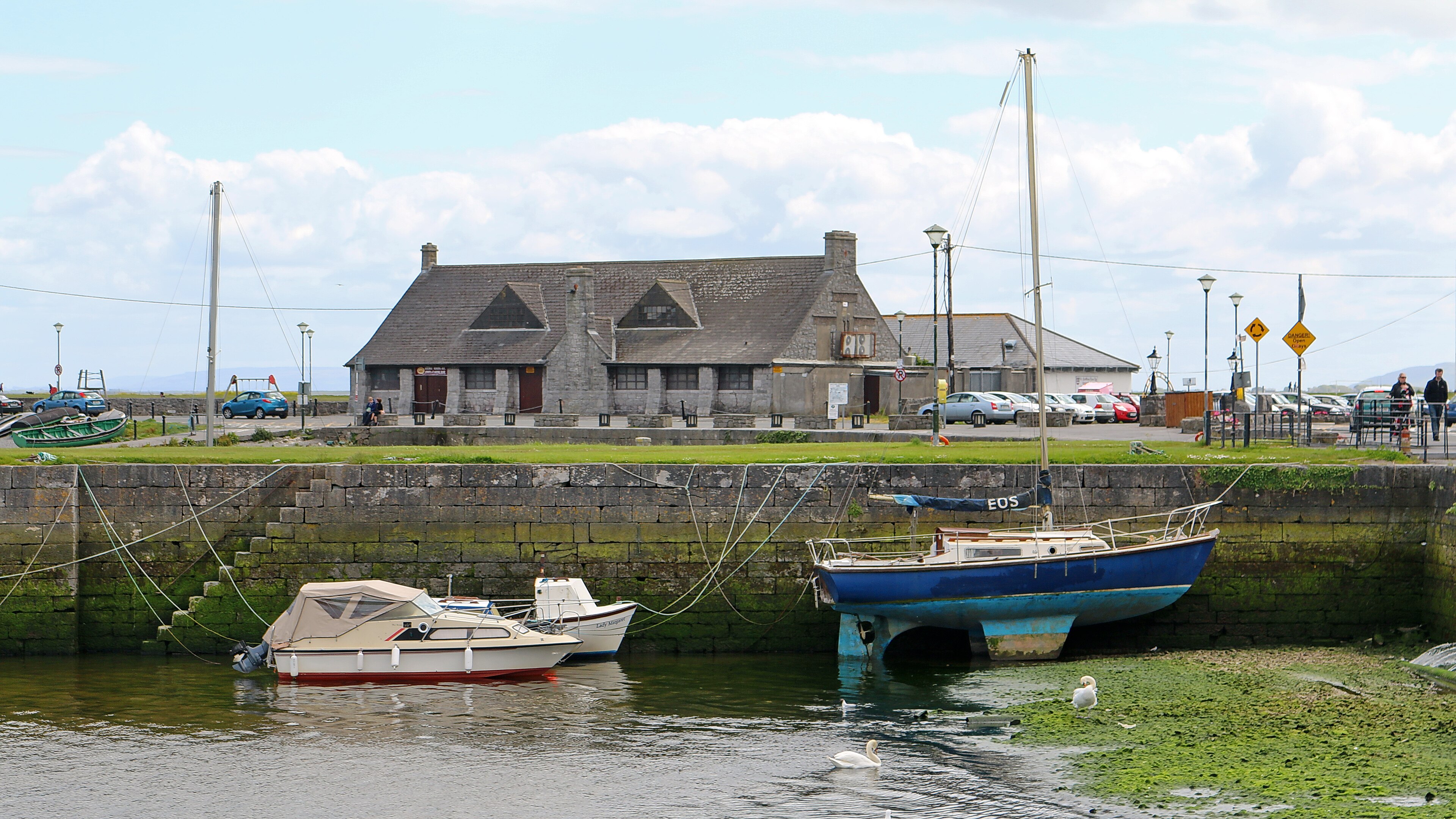
Welcome to the high season. Be prepared for company. The light is a major asset, especially in June, when the sun doesn't set until after 10:00 PM around the solstice. The trade-off is the presence of significant crowds at all the main attractions. From 10:00 AM onwards, you will find coach tours and long queues at the Book of Kells at Trinity College, the car parks for the Cliffs of Moher, and along the narrow roads of the Ring of Kerry. We manage this for our clients with pre-booked tickets for early time slots and private guides who know the back roads, but there is no escaping the sheer volume of people. Hotel rates reflect this demand, climbing anywhere from 30 to 60 percent over their May levels. This is a simple matter of supply and demand.
Each of these three months has a different texture. June is our preference of the three, as the gardens are still magnificent and the longest days of the year are a true spectacle. July sees a huge influx of European holidaymakers and budget airline traffic, including stag and hen parties in cities like Dublin and Galway. August is the busiest month of all, as it coincides with Irish school holidays and the peak travel season for Americans. If you must travel in August, we insist on booking all accommodation, guides, and dinner reservations at least nine months in advance. To arrive in August without a plan is to guarantee a frustrating and second-rate experience. We will not let you do that.
September & October: The Second Great Window
Just as the summer crowds begin to dissipate, a second ideal window for visiting Ireland opens. September, particularly the first half, often feels like a continuation of summer. The weather can be remarkably stable and pleasant, and hotel pricing begins its welcome descent from the August peak. A key advantage of September is the sea temperature. The Atlantic has been warming all summer and is at its most approachable for swimming, making a dip at a spot like the Vico Baths in Dublin or Dog's Bay in Connemara a genuine pleasure rather than an act of endurance. This is, in our opinion, when you get the best of late summer weather without the crowds.
This is also the best time of year for food. September marks the return of the native oyster season, and a dozen Flaggy Shore oysters with a pint of Guinness at a pub like Moran's on the Weir is a foundational Irish experience. As we move into October, the character of the trip changes. The light becomes lower, richer, and more cinematic. The country empties out, and a feeling of calm returns. The great country houses light their fires again, and the mood becomes cozy and literary. It's also worth remembering that Halloween originated here as the festival of Samhain. It’s a part of our culture that is deeper than costumes, and exploring its roots offers another layer to your trip.
November & December: The Festive Season
November is, without question, the quietest month on the Irish calendar. For some, this is its primary appeal. You will encounter the fewest tourists and the lowest hotel rates of the year. The weather can be wet and moody, but it's an atmospheric time for a city-focused trip to Dublin, exploring museums and galleries, or for a long weekend retreat at a property with a good spa and an extensive library. We find it a good time for repeat visitors to explore a specific interest, like Irish genealogy or artisan food producers, without any of the high-season distractions. Your trip will be introspective and calm.
December is a month of two distinct halves. The first two weeks are much like November: quiet, dark, and inexpensive. Then, beginning around December 15th, the second high season kicks into gear. Dublin lights up with Christmas markets and a palpable festive energy. The grand country house hotels, like Ashford Castle and Adare Manor, launch their residential Christmas packages. These are elaborate, multi-day affairs that sell out a year in advance. A country house New Year's Eve is its own special event, a black-tie celebration that we recommend booking at least 12 months ahead. The period from December 20th to January 2nd is as busy and expensive as August, which is a fact that surprises many travelers.
Our Actual Recommendation for 2026
We are planners, and we encourage you to be one, too. Thinking ahead to 2026, here is our direct advice for booking the best possible trip, tailored to your specific interests. For a honeymoon, we recommend the final week of May or the first two weeks of September. You get the benefits of the long, bright evenings or the warm autumnal light, but with fewer families and school groups. For a serious golf trip focused on the famous links courses, June or September are the months to book. The light in June allows for 36 holes in a day, while September offers firm, fast conditions and fewer players on the courses.
If this is your first visit to Ireland, we would steer you toward May or October. May gives you the green, pastoral version of the country, while October provides a more dramatic and atmospheric experience. Both months allow you to see the headline sites without the worst of the crowds. For a repeat visitor looking for a different perspective, we suggest late April for a garden-themed itinerary or November for a literary trip centered on Dublin's pubs and museums. Finally, if a full Irish country house Christmas is the goal, you should be contacting us in March of 2025 to secure the December 23rd to 27th package at Ashford Castle or Dromoland Castle. The right month makes the entire trip.
Further reading from the Notebook