Food · The practical guide
Eating in Ireland: the practical guide
Seasons, costs in euro, tipping, dinner times and the things nobody tells you until you are standing in the room.
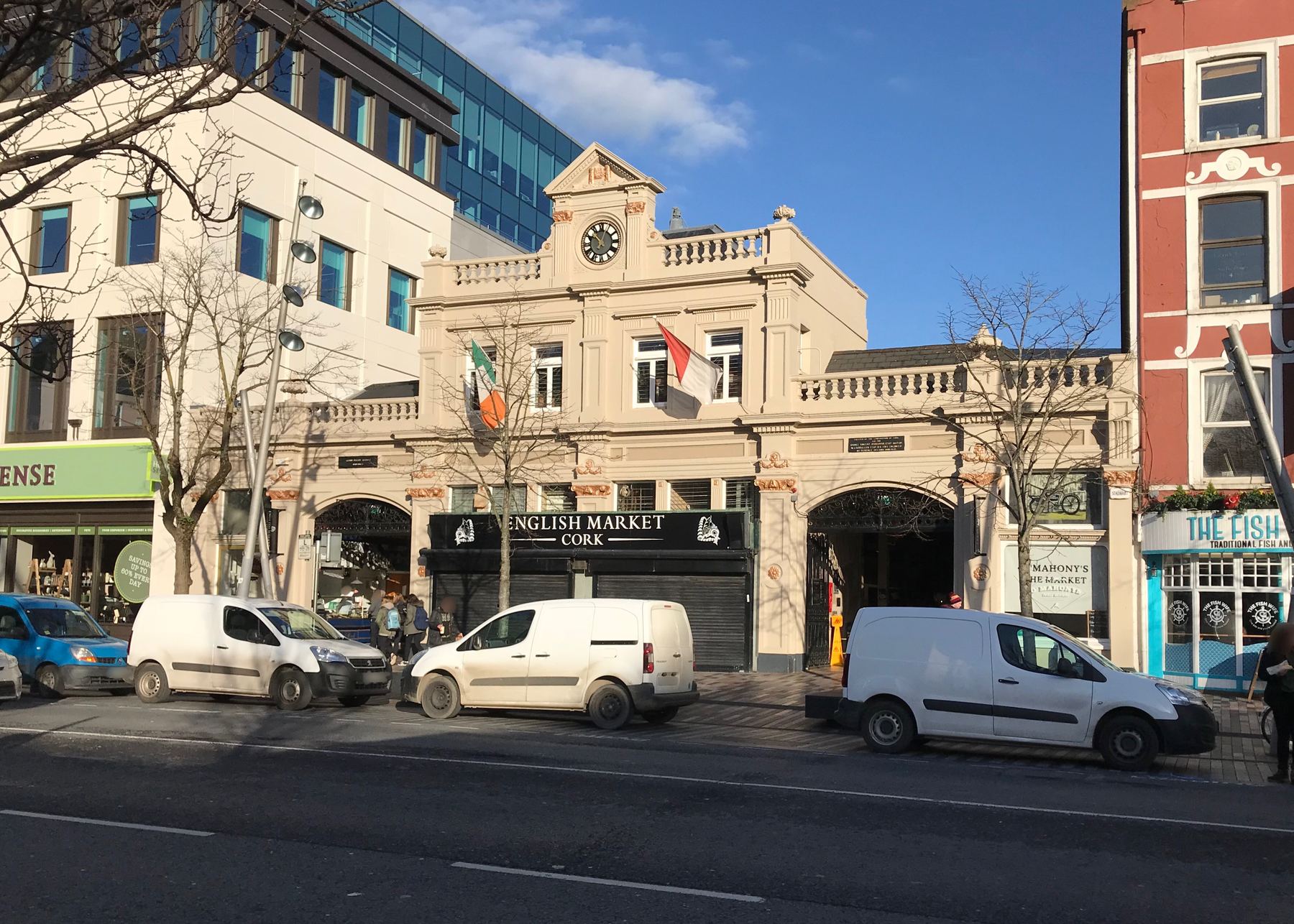
Photograph Dylan, CC BY-SA 4.0
The calendar
What is good, and when
March to May
Spring lamb, wild garlic, the first asparagus, sea trout.
Kitchens reopen after the quiet months and menus change weekly. Country houses are at their least crowded and their most generous.
June to August
Crab, mackerel, soft fruit, garden vegetables, new potatoes.
The best raw material of the year and the hardest tables to get. Book everything before you fly. Pier shacks and market stalls are the honest move.
September to November
Native oysters, mussels, scallops, game, apples, spiced beef by late November.
The best eating window in Ireland. The native oyster season opens, the crowds go home, and the festivals in Galway, Clarenbridge and Waterford run.
December to February
Spiced beef, shellfish stews, cheese at its ripest, whiskey after everything.
Many coastal rooms close for weeks at a time. Ring ahead rather than trusting a website. Dublin and Belfast keep going year round.
The money
What it actually costs
| What | Price | Notes |
|---|---|---|
| Pub lunch | €15 to €25 | Chowder, brown bread, a toasted sandwich or a plate of fish. |
| Casual dinner | €35 to €55 a head | A proper small restaurant, two courses, a glass of wine. |
| Serious dinner | €60 to €90 a head | A named kitchen in Dublin, Galway or a country house, before wine. |
| Tasting menu | €120 to €250 a head | Michelin-starred rooms. Wine pairing typically adds €80 to €150. |
| Bottle of wine | €35 to €60 | Duty is high in Ireland. Wine is the line that surprises Americans. |
| Pint of stout | €6 to €7.50 | Dublin city centre at the top of that range. |
Tipping: ten percent is generous, twelve and a half is the ceiling. Large tables often carry an optional service charge printed on the menu. Never tip on top of it, and never tip for a pint at the bar.
The clock
When to eat, and when to book
Kitchens open around six and the room is full by half seven. Last orders are usually nine, half nine at weekends, and half eight in a rural pub. Sunday lunch is the country's real institution: one o'clock for two thirty, and it books out before anything else. Starred rooms and Ballymaloe want two to three months. Good city rooms want two to three weeks in summer. Pubs serving food take no bookings at all.
The counters
Markets worth an hour
The English Market
Cork city
Two hundred years old and still a working market rather than a food court. Buy cheese, buy tripe if you are brave, eat upstairs at the Farmgate.
Sheridans Cheesemongers
Galway, Dublin, Meath
The people who saved Irish farmhouse cheese. Ask what is eating well this month and buy that.
Saint George's Market
Belfast
Friday, Saturday and Sunday only. The best single morning in Belfast, and the food hall is genuinely good.
Burren Smokehouse
Lisdoonvarna, County Clare
Vacuum-sealed oak-smoked salmon that travels home legally and costs a third of American prices.
The order
If you only order eight things
- Brown crab on brown bread. Anywhere within sight of the Atlantic. The single most Irish thing on any menu, and almost never bad. Picked crab, salted butter, soda bread, lemon. If a coastal room does it well, everything else on the menu will be fine.
- Native oysters. Galway Bay, Carlingford Lough, the Flaggy Shore. The flat native is the rare one and the one worth the money. Gigas rock oysters are served all year and are very good. Both belong with stout, not white wine.
- Oak-smoked salmon. Burren Smokehouse, Ummera, Connemara. Hand sliced, thick cut, and a completely different food from the machine-cut supermarket sheets. This is also the one thing worth carrying home.
- Dry-aged Irish beef. Dublin steak rooms, Cork and Kildare country houses. Grass fed for most of the year, which is the whole point. Ask for the aging and the county. Any room that cannot answer both is not the room.
- Spring lamb. Kerry, Wicklow, Connemara and Mourne. Mountain lamb from the Comeraghs or Connemara is worth ordering over anything imported. It arrives on menus in April and is finest in early summer.
- Farmhouse cheese. Sheridans, the English Market, any good country house board. Durrus, Gubbeen, Milleens, Cashel Blue, Coolea. Ireland's quiet triumph of the last forty years, and half the reason to keep the cheese course.
- Soda bread and butter. Everywhere, and it is the tell. Judge a room by the bread it puts down before you order. Warm, dense, dark, with cultured Irish butter. If the bread is an afterthought, so is the kitchen.
- A proper full Irish. Country houses and the good Dublin hotels. Rashers, sausage, black and white pudding, grilled tomato, egg, and brown bread. Eat one, not seven. Skip the buffet version at scale hotels.
Where to eat it: the dining guides. What to book: the food days. Shellfish in depth: the seafood hub. Anything else: the questions page. Back to the food hub.
Build the trip around it
Where we would stay for a food trip
Hayfield Manor
Cork City
Ten minutes from the English Market and inside striking distance of Ballymaloe and Kinsale.
€€€€ · rates last checked July 2026
Glenlo Abbey Hotel
County Galway
A base for Galway's restaurants and the Saturday market without sleeping in the noise.
€€€€ · rates last checked July 2026
BrookLodge & Macreddin Village
County Wicklow
The Strawberry Tree cooks wild and organic only. The one Irish dining room built around its own supply.
€€ · rates last checked July 2026
Castlemartyr Resort
East Cork
The room we book for Ballymaloe country. Twenty minutes from the cookery school and the same again from Midleton.
€€€€ · rates last checked July 2026
Perryville House
Kinsale, County Cork
The best-eating small town in Ireland, and everything worth booking is a walk from the door.
€€€ · rates last checked July 2026
Clontarf Castle Hotel
Dublin
A base for the Dublin dining rooms without paying city-centre rates, with a fast run into town.
€€€ · rates last checked July 2026
The weeks this fits inside
7 Days in Greater Dublin: The Definitive Itinerary
Four nights in Dublin, three in Wicklow. The base change at Day 5 is the trick most itineraries miss.
7 Quiet Days in the West
Two houses, no rush, seven days. The West held at the pace it actually keeps.
7 Days for the Second Trip
Three bases, no first-time beats, the Ireland the second trip is for.