A note from Deborah. Read her editorial perspective
You are going to overpack. Every American we have ever collected from Dublin airport has overpacked, and most of them will do it again on the second trip, because the instinct is stronger than any packing list. We understand. You have read that Ireland is cold and wet, you have looked at photographs of stone walls in November light, and you have decided somewhere between the closet and the suitcase that this is a trip that requires layers. It is, but not the ones you are thinking of, and not in the quantities you are planning. What we want to give you here is the version we send to friends the week before they fly, written by an American who moved here and had to unlearn the same packing habits you are about to bring with you. Leave room in the suitcase. You will need it on the way home.
The Weather Is Not The Problem, The Assumption Is
The mistake is not what you pack for the weather. The mistake is what you assume the weather is. American friends arrive braced for cold and are surprised, in October, to walk out of the airport into fifty-two degrees and a soft grey drizzle that never quite commits. They arrive in July expecting a proper summer and find sixty-five degrees and wind. The temperature in Ireland almost never becomes the story. What becomes the story is that the temperature does not move very much across the day, or across the season, and you will feel it as a persistent cool damp rather than as heat or cold.
This is why the standard American packing instinct fails you here. You pack for extremes, because your own weather has extremes. Ireland does not. What we need you to plan for is a narrow band, roughly forty-five to sixty-five degrees for most of the year, with wind and rain that arrive in short bursts and often leave again inside an hour. That means one warm layer, not four. It means a shell that actually blocks wind, not a heavy coat that traps sweat on the walk from the car to the church. And it means you can wear the same base outfit for six days in a row here without anyone noticing, because everyone else is doing exactly the same thing.
What Americans Always Overpack
The suitcases we open at the kitchen table when friends arrive always contain the same things they will not use. A heavy winter parka, because someone at home said Ireland is cold. Three or four heavy knits, because the Aran sweater lives large in the American imagination and the assumption is that you should meet a knitwear country in kind. A pair of formal heels, because there is a dinner planned somewhere and the word Ireland suggested cobblestones only after the shoes were packed. A hairdryer, because the internet warned about voltage. A travel steamer. A neck pillow the size of a small dog.
None of it comes out of the case. The parka is too warm for a country that rarely drops below freezing, even in January, and it turns you into the person quietly sweating on the bus in Killarney. The heavy knits are too warm for hotel dining rooms that are, uniformly, kept at a temperature the Irish consider indulgent. The heels do not survive one wet cobblestone. The hairdryer is provided in every hotel we would send you to. What you actually needed was a warm mid-layer, one waterproof shell, and shoes that could walk five miles a day for a week. We will get to those next, because they are the whole trip.
The One Jacket That Decides The Trip
If you buy one thing before you fly, buy the jacket, and treat the purchase seriously. What you want is a properly waterproof shell, hip-length or slightly longer, with a hood that stays up in wind and cuffs that seal at the wrist. Gore-Tex or an equivalent membrane, not a water-resistant softshell, and not a fashion trench that will wet through in twenty minutes at the Cliffs of Moher. The brands we and our guests keep coming back to are Arc'teryx, Rains, and the higher-end Barbour waxed jackets for a slightly more traditional cut. You will spend somewhere between three hundred and eight hundred dollars. You will use it every single day of the trip, and you will still be wearing it on trips you have not yet planned in three years.
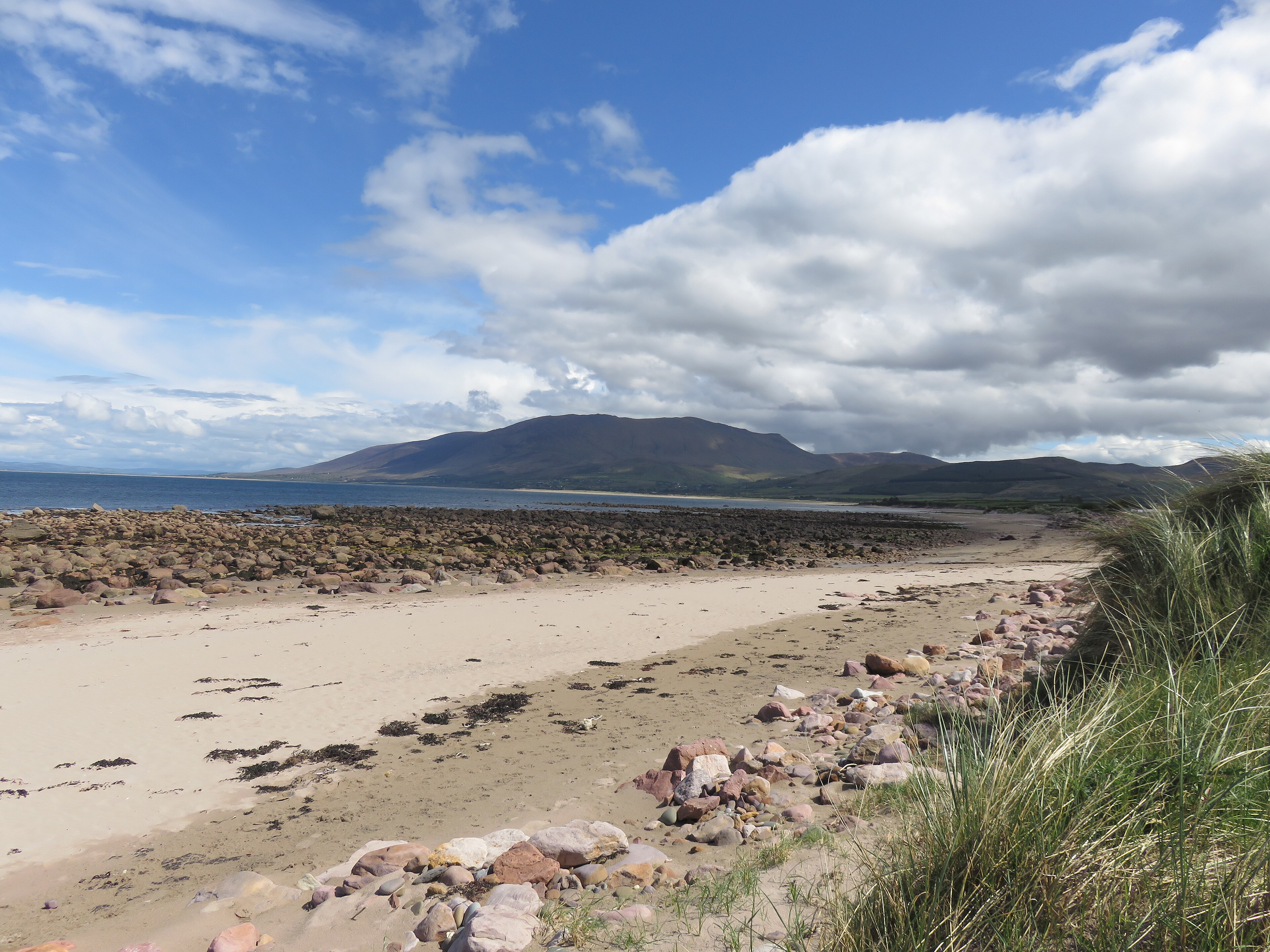
The reason we make such a point of this is that the jacket does two jobs at once. It is your rain protection, obviously. It is also your wind layer, which is the layer Americans consistently underestimate here. The Atlantic wind on the west coast, from Donegal down through Clare and Kerry, is what makes a fifty-five degree afternoon feel much colder than the number suggests. A proper shell over one warm mid-layer will do more for you than a heavy coat ever will. Pack the shell first, in your carry-on rather than in the checked bag, and build the rest of the wardrobe around it. If your luggage is delayed a day, which happens more often than the airlines admit, you can still walk out of Dublin airport into whatever weather is waiting and start the trip properly.
Shoes: Two Pairs, Both Broken In
You need two pairs of shoes and no more. One pair of comfortable waterproof walking shoes, and one pair of something you can wear to dinner at the Merrion or Ashford Castle without embarrassment. That is the whole shoe conversation. We say this as people who have watched friends land with four pairs and wear two, and then quietly leave the other two in the hotel wardrobe when they check out.
For the walking pair, we send friends to Ecco, to the leather Merrell hikers, or to the newer Hoka waterproof trainers if they want the cushioned soles for the cobblestone days in Dublin and Galway. Whatever you buy, wear them for a month at home before you fly. New shoes on a wet Irish street, on day two of a trip, is how a week goes sideways. Blisters on the Ring of Kerry cannot be reasoned with. For the dinner pair, we ask you to think about what actually happens at an Irish country house or a Dublin restaurant of any weight. The floors are old, the lighting is soft, the tables are close together. Nobody is looking at your feet. A pair of clean leather loafers, a low block heel, a suede boot in a dark colour, any of these do the whole job. Leave the stilettos at home. Leave the white sneakers you were saving for photographs at home too, because they will be brown by dinner on day three, and the photograph will be of you scrubbing them in a hotel sink.
Dressing For A Michelin Room And A Pub On The Same Night
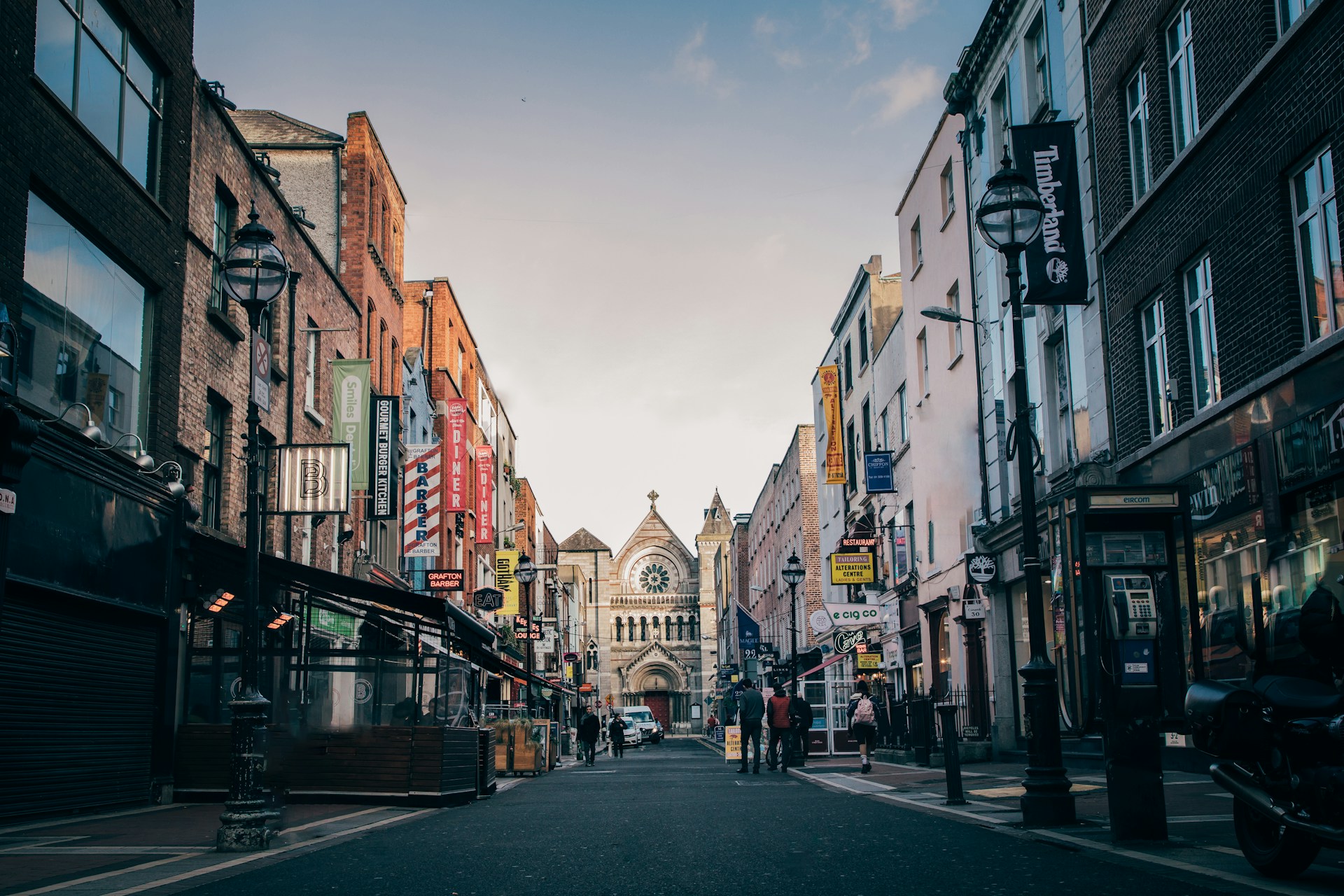
The single most useful thing we can tell you about Irish dress codes is that they are quieter than the American version of the same evening. You do not need a jacket and tie for the tasting room at Ashford Castle. You need a neat blazer, a collared shirt or a fine merino sweater, and the leather loafers we already discussed. You do not need a cocktail dress for the tasting menu at Chapter One in Dublin. You need one navy or black dress that can also be worn to lunch on Grafton Street the next day, and a light scarf.
The pub, later the same night, does not require you to change. That is the whole grace of the way people dress here. What works at nine o'clock at a two-star restaurant works at eleven at the pub around the corner, and nobody in either room is thinking about your outfit at all. We ask friends to pack one blazer for the men and one versatile dress for the women, in a colour that does not show rain, and to let that garment carry the entire evening wardrobe for the trip. Everything else can be layered around a good pair of dark jeans or wool trousers. You are packing for a country where restraint reads as taste, and the American impulse to dress up is almost always the wrong instinct here. If you are unsure, dress a notch simpler than you would at home, and you will be exactly right.
Golf, Walking, And Rain Gear That Actually Holds
If you are coming for the golf, the rain gear is a separate conversation from the city rain gear, and we would rather you knew that before you arrive at Ballybunion in horizontal rain wearing the jacket you bought for Grafton Street. A links round in October or April will test any waterproof you own. What holds up is a proper golf-specific waterproof set from Galvin Green, Sunice, or Zero Restriction, in a two-piece cut, with waterproof trousers you can pull on over your regular trousers when the weather turns at the ninth. Bring two golf gloves rather than one, because the first will be soaked through by the turn and useless from there.
If you are here to walk the coast, in Kerry or Connemara or the north Antrim cliffs, the same principle applies in a softer form. Bring waterproof trousers you can roll into a jacket pocket, and pull them on the second the rain starts. Bring a merino base layer rather than cotton, because cotton, once wet, will not dry all day, and merino will keep you warm even when it is damp. Bring a small day pack with a dry bag inside it for your phone and your wallet. And bring an appetite, because a proper Irish walk ends at a fire in a pub, with soup and brown bread and a pint, and the whole day only makes sense once you have got there wet and let the room do the rest of the work.
The Small Things We Send Friends To Buy Before They Fly
A short list, in the order we send it. One universal plug adapter with USB-C ports built in, because you will be charging a phone, a camera, and possibly a laptop from a single Irish socket in a bedroom that has three of them. One small foldable umbrella, kept in your day bag, used almost never, but useful when the shell is packed and the shower catches you between the hotel and the taxi. One pair of merino socks per two days, because merino resists odour and dries overnight on a hotel radiator, which cotton will not. One small tube of chamois cream or a similar anti-friction balm if you are walking any real distance, because we do not talk about blisters enough and we should.
The other small things are not objects. Leave room in the suitcase, physically, for the two or three things you will actually want to bring home. A wool throw from Avoca or from McNutt of Donegal. A bottle of the whiskey you drank on the second night and remembered on the fifth. A book from Hodges Figgis in Dublin. These are the things people always regret not having space for, and the calculus of the half-empty case at check-in is one of the small satisfactions of the trip. Pack lightly enough to come back heavy. That is, in one line, the whole packing philosophy we would send you with, and the version of the trip we want you to have.
Frequently Asked
What Americans always ask before they fly.
- What is the single most important thing to pack for Ireland?
- A genuinely waterproof shell jacket. Not water-resistant, not showerproof. A hooded shell that survives sideways Atlantic rain and wind. Everything else in an Ireland packing list is negotiable. The jacket is not.
- Do I need a heavy winter coat for Ireland?
- No, even in winter. Ireland's climate is maritime and mild. Temperatures rarely drop below the mid-30s Fahrenheit. A waterproof shell over a merino base layer and one warm mid-layer will handle every month of the year. A parka is overkill and will spend the trip in your suitcase.
- What shoes should Americans pack for Ireland?
- Two pairs, both already broken in. One waterproof walking shoe or light hiking shoe for days out, and one smart-casual leather shoe or ankle boot for dinners and hotel bars. Skip white sneakers, skip heels, and never pack shoes you have not walked in for a full day at home first.
- How dressy do I need to be for dinner in Ireland?
- Less formal than most Americans expect. Even at the country's best hotels and Michelin-starred restaurants, smart-casual is the norm. A collared shirt, dark jeans or chinos, and a jacket work everywhere. Women can dress a dinner up or down with the same basics. Ties are almost never required.
- Do I need a power adapter for Ireland?
- Yes. Ireland uses the UK-style Type G three-pin plug at 230V. A universal adapter with USB-C ports covers phones, laptops, cameras and toothbrushes in one plug. American two-prong plugs will not fit any Irish socket.
- Should I bring a hairdryer or steamer to Ireland?
- No. Every hotel and country house we recommend provides a hairdryer, and voltage differences make American appliances risky even with an adapter. Leave both at home and reclaim the suitcase space for the jacket and shoes that actually matter.
- What should I pack for an Ireland golf trip?
- Full waterproofs on top of your normal golf kit: waterproof trousers, waterproof jacket, a spare glove kept dry, and a peaked cap that holds up in wind. Irish links are played in weather, not around it. Two pairs of golf shoes let one dry overnight while you wear the other.
- How much luggage space should I leave for the trip home?
- At least a third of your suitcase. Ireland is a country you buy things in: Aran knitwear, Foxford throws, whiskey, books, ceramics, tweed. Every returning traveler wishes they had packed lighter on the way out. Leave the room, and you will use it.
- How do I get phone service and data in Ireland as an American?
- Buy an eSIM before you fly and install it on Wi-Fi at the airport the moment you land. We send friends to Airalo first: their Mosalink plan covers Ireland, the UK, and the EU for about $4.50 per gigabyte, or roughly $15 to $20 for a seven-day plan with a few gigabytes of data. Holafly is the choice if you want unlimited data and do not want to think about usage at all. Ubigi works well for shorter trips. All three install in about two minutes and keep your American number active on iMessage and WhatsApp over Wi-Fi while your Irish data runs in parallel. If you prefer to keep your US carrier plan, check what you already have. T-Mobile includes international data on most Magenta plans. Verizon charges $12 per day for Travel Pass. AT&T runs about the same for its International Day Pass. Those options are fine, but the eSIM is cheaper for anything longer than a weekend. The only backup you need is a physical SIM from a Three or Vodafone kiosk at Dublin Airport if the eSIM fails, which it almost never does. Our one practical instruction: buy the eSIM the day before you leave, install it while you are still on home Wi-Fi, and confirm it shows a data plan before you board. Once you are standing in the arrivals hall at Dublin, you want to be checking directions to the hotel, not troubleshooting a QR code.
Continue Planning Your Trip
Six pieces we would send you next.
Further reading from the Notebook