The short answer
Accessible Ireland is our wheelchair edition: routes, hotels, restaurants and pubs graded A1 to A3 for step-free access, with the date each place was last verified and by whom. We publish the grading method and a corrections log, because an access claim without a date is not information. Start with the seven-day route, then the four guides beneath it.
- Every entry carries a verification status and the date it was checked.
- Grades are never communicated by colour alone.
- A seven-day step-free route, plus four themed guides.
- Corrections are logged publicly and reviewed with advisers.
Related:Is Ireland Worth Visiting?Top 10 Hotels in Ireland3-Day Dublin Itinerary
What this guide covers, and what it does not
This edition is about wheelchair travel. The A1, A2 and A3 grades measure surfaces, gradients, widths, thresholds and toilets, and nothing else. They do not currently cover travellers with visual impairment, Deaf and hard-of-hearing travellers, neurodivergent travellers, hidden disabilities, assistance-dog needs or medical-access needs. Those are real layers and they deserve their own testing rather than a sentence bolted onto this one. They are what we build next.
Why we made this
Nobody should discover a flight of stone steps at the end of a two hour drive.
The first time I planned an Irish week for a friend who uses a chair, I did what everybody does. I took the standard itinerary and I called the venues on it. By the end of the afternoon I had crossed off the Gap of Dunloe, the Cliffs of Moher walk and the Rock of Cashel, and I was sitting with an itinerary that had nothing in it and a growing suspicion that the country was going to disappoint her.
It did not. What I had was a bad list, not a bad country. The accessible version of Ireland is Killarney's lakeside paths, Georgian Dublin on the flat side, the ground floor of the English Market at half nine in the morning, and a train network that will put a ramp down for you at both ends. That week ended up better than most of the walking trips I have planned.
So we published the grading. Three steps, applied honestly, with surfaces and gradients and toilets named, and an alternative printed every single time we tell you something does not work.
The grading scale
A1, A2, A3, and what each one promises
Three grades, published in full, never carried by colour alone: every entry ships a code, a label and an icon so it reads the same in greyscale or through a screen reader. The method behind them is below, and every graded place carries a date and a verification label.
- Independent
- Step free from the car park to the view. Sealed surface or timber boardwalk the whole way, with passing width and somewhere to turn around.
- Our test. No threshold above 15 mm anywhere on the route, no sustained run steeper than 1:20, minimum clear width of 900 mm at the narrowest point, and a 1500 mm turning circle at the far end.
- A1 describes the physical route, not a guarantee for every wheelchair user. Chair type, weather, strength, fatigue and individual assistance needs still matter.
- Assistance advised
- Mostly firm and mostly flat, with something on it that a solo wheeler should know about first. A short ramp at 1:12, a loose gravel apron, a cambered section, or a gate that needs a hand.
- Our test. Reachable in a manual chair with one companion, or independently in a powerchair with decent ground clearance. We name the exact obstacle, its gradient and its length in every entry.
- Not accessible
- Steps, stiles, mud, loose stone or sustained gradient. We do not recommend these routes for a standard manual wheelchair or a conventional powerchair. Listed on purpose, because knowing what to skip is worth as much as knowing what to book.
- Our test. Every A3 entry names why it fails, which chair types are affected, whether adaptive equipment or a specialist operator changes the answer, and where we would send you instead. Nobody should discover a flight of stone steps at the end of a two hour drive.
The method
How we grade access
A grade is only useful if you can see how it was arrived at. This is the whole method: what we measure, with what, and where the boundaries sit. If you disagree with a grade, you should be able to go to the same place, take the same measurements and show us we are wrong.
- Gradient
- Measured with a digital inclinometer laid along the line a chair would actually take, not across the path. We record the steepest sustained run of three metres or more, and we quote it as a ratio: 1:20 is gentle, 1:12 is the steepest we will call assisted, anything consistently steeper than 1:12 fails A2.
- Distance
- Measured by GPS track on the route as walked, rounded to the nearest hundred metres under two kilometres and to the nearest half kilometre above it. Where a figure is taken from the site operator rather than tracked by us, the entry says estimated.
- Minimum passing width
- The narrowest clear point on the route, measured at wheel height rather than at the top of the path, because hedging and kerb stones pinch low. We treat 900 mm as the working minimum for a single chair and 1500 mm as the point where two chairs pass without reversing.
- Turning space
- A clear circle of 1500 mm, measured on the floor with obstructions in place: chairs pushed in, bins where the venue keeps them, doors open. If the space only exists when furniture is moved, we say that instead of counting it.
- Surface
- Sealed means tarmac, concrete or bonded resin. Compacted means a bound gravel or dust surface that stays firm under a hand rim after rain. Loose gravel means the wheel sinks. Cobble or sett means original stone with open joints. Boardwalk means timber or composite decking, and we note whether the boards run across or along the line of travel.
- Thresholds
- Measured at the highest point with a folding rule and quoted in millimetres, not described. Under 15 mm we call level. 15 mm to 25 mm we call a threshold. Above 25 mm we call it a step, whatever the venue calls it.
- Toilets
- We record whether an accessible toilet exists, which floor it is on, the route to reach it, the door width, whether the transfer space is to the left or the right of the pan as you face it, whether grab rails are fitted on both sides, and whether a Changing Places facility is available. A cubicle used for storage is recorded as unavailable.
- Transfer side
- Always described from the point of view of a person facing the toilet, bed or seat: left transfer means the clear space is on your left as you approach. We do not use the words near side or far side, which mean different things to different people.
- Chair type on test
- Every tested entry records whether the route was covered in a manual chair, a powerchair, or both. Manual and power behave differently on camber, loose gravel and a 1:12 pull, so the entry names which one produced the grade.
- Weather and conditions
- Recorded at the time of testing, because an Irish surface is not the same surface in February. Where a compacted path was tested dry, the entry says so and treats wet performance as unverified until we return.
- What we do not do
- We do not grade from a website, a tourist board listing or a photograph. Where a detail comes from the venue rather than from us, the entry is stamped venue-confirmed and it stays that way until somebody has been.
What our verification labels mean
Every entry on this hub carries one of four labels, plus the dates behind it. We would rather print venue-confirmed and be honest about it than imply we have stood in a room we have not stood in.
- Visited and tested
- Somebody from our review group travelled the route or entered the building in a wheelchair and measured the details printed here.
- Visited, facilities confirmed by staff
- We were physically there, but part of the detail, usually a bedroom or a private facility, was described to us by staff rather than measured by us.
- Venue-confirmed, not yet independently tested
- The detail comes from the venue or the site operator, checked by phone or from current published access information. We have not measured it ourselves.
- Needs recheck
- Something has changed, or the information is old enough that we no longer stand behind it. Treat the entry as a starting point and confirm before you travel.
The practical checklist
The same questions, answered the same way everywhere
Every trail, hotel, restaurant, pub and attraction in this cluster carries the same four lines, in the same order. Learn the shape once and you can scan it in two seconds from a car park. Every time we have watched an Irish day fall apart, it was one of these four and never a fifth thing.
- Best entry point
- Which door, and how you reach it from the car or the street. The famous front steps are almost never the way in.
- Steps and gradients
- Steps, ramps, thresholds and gradients, counted rather than described. A ramp with no gradient is not information.
- Accessible toilet
- Whether there is an accessible toilet, which floor it is on, and whether it is a wet room or a hopeful attitude.
- Seating and turning space
- Table height, banquette or loose chair, and whether there is room to park alongside and turn.
The route
Seven days, four bases, one travel leg a day
East to west on the rail spine through Dublin, Kilkenny and Cork, then a wheelchair accessible vehicle with a driver for the Kerry days that trains cannot reach. The best day is saved for the end.
- Day 1Access grade A1, IndependentDublin
Land, and do nothing
The most important day of the week is the one with nothing in it.
- Day 2Access grade A1, IndependentDublin
Georgian Dublin, on the flat side
The trick to Dublin in a chair is knowing which half of it is cobbled.
- Day 3Access grade A2, Assistance advisedKilkenny
South by rail to Kilkenny
The first real test, and Irish Rail passes it.
- Day 4Access grade A1, IndependentCork city
Cork, and the easiest great meal in Ireland
A city built on a marsh, which for once is good news.
- Day 5Access grade A2, Assistance advisedKinsale, then Killarney
Kinsale, and the drive west
This is the day to hand the driving to somebody else.
- Day 6Access grade A1, IndependentKillarney
Muckross, the lake and the mountain wall
The best afternoon of the week, and it is fully accessible.
- Day 7Access grade A1, IndependentKillarney
Knockreer, and the way home
A national park you enter on foot from the end of the main street.
The directory
Every place we have graded, and how sure we are
Grade first, confidence second. Follow any row through to the full card, where the checklist, the measured record and the dates sit together.
Paths, parks and grounds
- Access grade A1, Independent
Venue-confirmed, not yet independently tested, July 2026
- Access grade A1, Independent
Venue-confirmed, not yet independently tested, July 2026
- Access grade A1, Independent
Venue-confirmed, not yet independently tested, July 2026
- The Medieval Mile, KilkennyAccess grade A2, Assistance advised
Kilkenny
Venue-confirmed, not yet independently tested, July 2026
- Access grade A1, Independent
Venue-confirmed, not yet independently tested, July 2026
- Access grade A2, Assistance advised
Venue-confirmed, not yet independently tested, July 2026
- Access grade A1, Independent
Venue-confirmed, not yet independently tested, July 2026
- Access grade A1, Independent
Venue-confirmed, not yet independently tested, July 2026
- Access grade A2, Assistance advised
Venue-confirmed, not yet independently tested, July 2026
- Access grade A3, Not accessible
Venue-confirmed, not yet independently tested, July 2026
- Access grade A3, Not accessible
Venue-confirmed, not yet independently tested, July 2026
- Rock of Cashel, the upper enclosureAccess grade A3, Not accessible
Tipperary
Venue-confirmed, not yet independently tested, July 2026
Hotels
- The MarkerAccess grade A1, Independent
Grand Canal Dock, Dublin 2
Venue-confirmed, not yet independently tested, July 2026
- The MerrionAccess grade A1, Independent
Upper Merrion Street, Dublin 2
Venue-confirmed, not yet independently tested, July 2026
- The ShelbourneAccess grade A2, Assistance advised
St Stephen's Green, Dublin 2
Venue-confirmed, not yet independently tested, July 2026
- Hunter's Yard at Mount JulietAccess grade A1, Independent
Thomastown, County Kilkenny
Venue-confirmed, not yet independently tested, July 2026
- Hayfield ManorAccess grade A1, Independent
Perrott Avenue, Cork city
Venue-confirmed, not yet independently tested, July 2026
- The Killarney ParkAccess grade A1, Independent
Kenmare Place, Killarney, County Kerry
Venue-confirmed, not yet independently tested, July 2026
Restaurants
- Farmgate Café, English MarketAccess grade A1, Independent
Grand Parade, Cork city
Venue-confirmed, not yet independently tested, July 2026
- Chapter OneAccess grade A2, Assistance advised
Parnell Square, Dublin 1
Venue-confirmed, not yet independently tested, July 2026
- Restaurant at the MarkerAccess grade A1, Independent
Grand Canal Square, Dublin 2
Venue-confirmed, not yet independently tested, July 2026
- CampagneAccess grade A1, Independent
The Arches, Gashouse Lane, Kilkenny
Venue-confirmed, not yet independently tested, July 2026
- Quinlan's Seafood BarAccess grade A1, Independent
High Street, Killarney, County Kerry
Venue-confirmed, not yet independently tested, July 2026
Pubs
- The Stag's HeadAccess grade A2, Assistance advised
Dame Court, Dublin 2
Venue-confirmed, not yet independently tested, July 2026
- Temple Bar's cobbled lanesAccess grade A3, Not accessible
Temple Bar, Dublin 2
Venue-confirmed, not yet independently tested, July 2026
- Modern gastropub conversions, Grand Canal DockAccess grade A1, Independent
Grand Canal Dock, Dublin 2
Venue-confirmed, not yet independently tested, July 2026
- Kate Kearney's CottageAccess grade A2, Assistance advised
Gap of Dunloe, County Kerry
Venue-confirmed, not yet independently tested, July 2026
Attractions
- Guinness StorehouseAccess grade A1, Independent
St James's Gate, Dublin 8
Venue-confirmed, not yet independently tested, July 2026
- Kilkenny CastleAccess grade A2, Assistance advised
The Parade, Kilkenny
Venue-confirmed, not yet independently tested, July 2026
- Muckross House and gardensAccess grade A1, Independent
Killarney National Park, County Kerry
Venue-confirmed, not yet independently tested, July 2026
- Cliffs of Moher visitor centre and terracesAccess grade A2, Assistance advised
Liscannor, County Clare
Venue-confirmed, not yet independently tested, July 2026
- EPIC The Irish Emigration MuseumAccess grade A1, Independent
CHQ Building, Custom House Quay, Dublin 1
Venue-confirmed, not yet independently tested, July 2026
- Rock of CashelAccess grade A3, Not accessible
Cashel, County Tipperary
Venue-confirmed, not yet independently tested, July 2026
The grading scale
Every path, graded
The full cards, with the checklist, the chair types affected where a route does not work, the alternative, and the verification stamp.
- Access grade A1, IndependentDublin · Day 1
Phoenix Park, the Furry Glen and Papal Cross paths
The easiest good hour in Ireland. Deer, open sky, and a surface you never have to think about. We start every Dublin trip here because it resets expectations upward.
- Length
- Loops from 1.5 km to 6 km, all reversible
- Surface
- Sealed tarmac park roads and paths
- Gradient
- Gentle. Nothing sustained beyond 1:20
- Parking
- Accessible bays at the Visitor Centre and at Papal Cross
- Toilet
- Accessible toilet at the Visitor Centre and at the tea rooms
Plan it: the practical checklist for Phoenix Park, the Furry Glen and Papal Cross paths
- Best entry point
- Visitor Centre gate off Chesterfield Avenue. Accessible bays sit twenty metres from a level path, and the same is true at the Papal Cross bays.
- Steps and gradients
- No steps anywhere on the loops we name. Path edges are flush with the grass, so a wheel that drifts does not drop.
- Accessible toilet
- Accessible toilet at the Visitor Centre and at the tea rooms, both ground floor, both with a transfer rail. Nothing at the Papal Cross end, so go before you set out.
- Seating and turning space
- Benches roughly every four hundred metres, most with a hard standing beside them rather than grass. The tea room has movable chairs at standard tables.
- Call ahead
- Nothing to call about. This is the one day you can simply turn up.
Verification for Phoenix Park, the Furry Glen and Papal Cross paths
- Status
- Venue-confirmed, not yet independently tested
- Last physically checked
- Not yet checked in person
- Last confirmed with venue
- July 2026
Still outstanding. Gradients, widths and threshold heights on this entry come from the venue or the site operator. They have not been measured by us.
Conditions can change. If any feature is essential to your visit, confirm it directly before travel.
- Access grade A1, IndependentDublin · Day 2
Grand Canal towpath, Baggot Street to Portobello
Georgian Dublin at walking pace without a single cobble. The cobbles are the thing that ruins Dublin for wheelchair users, and this route simply avoids them.
- Length
- 2.5 km one way, flat
- Surface
- Sealed path with dropped kerbs at each lock road crossing
- Gradient
- Level
- Parking
- On-street disabled bays on Wilton Terrace
- Toilet
- In the cafes at Portobello. Ask before you settle in
Plan it: the practical checklist for Grand Canal towpath, Baggot Street to Portobello
- Best entry point
- Wilton Terrace, at the Baggot Street bridge. Come down the ramped kerb on the north side, not the steps at the lock.
- Steps and gradients
- Level the entire way. Dropped kerbs at every lock road crossing, though two of them are shallow rather than flush.
- Accessible toilet
- No public toilet on the towpath. The cafes at Portobello have ground floor accessible toilets, which is why we finish there.
- Seating and turning space
- Canal benches throughout, and the Portobello cafes will move a chair if you say so on arrival.
Verification for Grand Canal towpath, Baggot Street to Portobello
- Status
- Venue-confirmed, not yet independently tested
- Last physically checked
- Not yet checked in person
- Last confirmed with venue
- July 2026
Still outstanding. Gradients, widths and threshold heights on this entry come from the venue or the site operator. They have not been measured by us.
Conditions can change. If any feature is essential to your visit, confirm it directly before travel.
- Access grade A1, IndependentKilkenny · Day 3
Kilkenny Castle parkland and the rose garden
The grounds are the reason to come, not the state rooms. Lift access covers most of the castle interior, and staff will tell you honestly which rooms it does not reach.
- Length
- 1 km of formal grounds, more if you take the parkland loop
- Surface
- Sealed and compacted paths through the parkland
- Gradient
- Mild rise from the city gate. Nothing severe
- Parking
- Accessible bays on the Parade, close to the castle gate
- Toilet
- Accessible toilet in the castle visitor facilities
Plan it: the practical checklist for Kilkenny Castle parkland and the rose garden
- Best entry point
- The Parade gate, not the river gate. The Parade side is level from the accessible bays. The river approach has a cobbled ramp we would not choose.
- Steps and gradients
- Grounds are step free. The castle interior has a lift covering most rooms, with two thresholds of about three centimetres on the ground floor.
- Accessible toilet
- Accessible toilet in the castle visitor facilities, ground floor, with a transfer bar. No facility in the parkland itself.
- Seating and turning space
- Formal benches through the rose garden and a level cafe with standard tables and movable chairs in the courtyard.
- Call ahead
- Ask at the ticket desk which state rooms the lift reaches that day. It changes with restoration work.
Verification for Kilkenny Castle parkland and the rose garden
- Status
- Venue-confirmed, not yet independently tested
- Last physically checked
- Not yet checked in person
- Last confirmed with venue
- July 2026
Still outstanding. Gradients, widths and threshold heights on this entry come from the venue or the site operator. They have not been measured by us.
Conditions can change. If any feature is essential to your visit, confirm it directly before travel.
- Access grade A2, Assistance advisedKilkenny · Day 3
The Medieval Mile, Kilkenny
Beautiful and genuinely bumpy. Do the lower half, take the castle side, and do not attempt the round tower. This is a morning that rewards a companion.
- Length
- 1.2 km through the old city
- Surface
- Mixed. Smooth pavement in stretches, original setts in others
- Gradient
- One noticeable climb toward St Canice's
- Parking
- Multi-storey on Ormonde Street with lift access
- Toilet
- Accessible facilities at the Medieval Mile Museum
Plan it: the practical checklist for The Medieval Mile, Kilkenny
- Best entry point
- Start at the castle end on the Parade, where the pavement is modern and wide. Do not start at St Canice's and work down.
- Steps and gradients
- No steps on the route, but original setts in three stretches and a sustained climb toward the cathedral. Most shops and pubs have a single step at the door.
- Accessible toilet
- Accessible facilities at the Medieval Mile Museum, ground floor. This is the reliable one on the street, so plan the route around it.
- Seating and turning space
- Thin. The museum cafe and the Parade restaurants have level tables. The older pubs mid-hill are narrow and mostly high stools.
- Call ahead
- Ring the Medieval Mile Museum to confirm the lift is running before you build the morning around it.
Verification for The Medieval Mile, Kilkenny
- Status
- Venue-confirmed, not yet independently tested
- Last physically checked
- Not yet checked in person
- Last confirmed with venue
- July 2026
Still outstanding. Gradients, widths and threshold heights on this entry come from the venue or the site operator. They have not been measured by us.
Conditions can change. If any feature is essential to your visit, confirm it directly before travel.
- Access grade A1, IndependentCork · Day 4
The English Market, Cork
Go at half nine, before the lunch crush turns the aisles into a scrum. The ground floor is genuinely easy, and the gallery lift works.
- Length
- Indoor, roughly 200 m of aisles
- Surface
- Level tiled floor throughout the ground level
- Gradient
- Level, with lift access to the gallery restaurant
- Parking
- Accessible bays on Grand Parade, two minutes away
- Toilet
- Accessible toilet within the market building
Plan it: the practical checklist for The English Market, Cork
- Best entry point
- Grand Parade entrance, which is level. The Princes Street door has a step and a heavy timber door, so avoid it.
- Steps and gradients
- Level tiled floor across the whole ground level. Lift to the gallery restaurant is at the rear, signed but easy to miss.
- Accessible toilet
- Accessible toilet inside the market building on the ground level. The nearest Changing Places facility is across the city, so check that first if you need one.
- Seating and turning space
- Ground floor stalls are standing only. The gallery restaurant above has standard tables, and staff will seat you away from the balcony rail if you ask.
- Call ahead
- None needed, but go before eleven. After that the aisles narrow with people and turning space disappears.
Verification for The English Market, Cork
- Status
- Venue-confirmed, not yet independently tested
- Last physically checked
- Not yet checked in person
- Last confirmed with venue
- July 2026
Still outstanding. Gradients, widths and threshold heights on this entry come from the venue or the site operator. They have not been measured by us.
Conditions can change. If any feature is essential to your visit, confirm it directly before travel.
- Access grade A2, Assistance advisedCork · Day 5
Kinsale harbour front and the Scilly walk approach
Do the harbour, turn around at the point where the path tilts toward the water. The view does not improve after that and the camber gets unpleasant.
- Length
- 1.5 km along the water before the path narrows
- Surface
- Sealed promenade, then a narrower path with a camber
- Gradient
- Flat until the Scilly rise, which we would not attempt
- Parking
- Accessible bays at the Pier Road car park
- Toilet
- Accessible toilet at the Pier Road facilities
Plan it: the practical checklist for Kinsale harbour front and the Scilly walk approach
- Best entry point
- Pier Road car park, accessible bays at the water end. From there the promenade starts level with no kerb to negotiate.
- Steps and gradients
- No steps. A camber develops where the promenade narrows toward Scilly, tilting toward the water, and that is where we turn around.
- Accessible toilet
- Accessible toilet at the Pier Road facilities beside the car park. Nothing further along the walk.
- Seating and turning space
- Harbour benches at intervals with hard standing. The Pier Road cafes are level at the door and have movable seating.
Verification for Kinsale harbour front and the Scilly walk approach
- Status
- Venue-confirmed, not yet independently tested
- Last physically checked
- Not yet checked in person
- Last confirmed with venue
- July 2026
Still outstanding. Gradients, widths and threshold heights on this entry come from the venue or the site operator. They have not been measured by us.
Conditions can change. If any feature is essential to your visit, confirm it directly before travel.
- Access grade A1, IndependentKerry · Day 6
Muckross House gardens and the lakeside path
The single best afternoon in this guide. Lake, mountain and yew woodland, all of it reachable, and the house itself has ground floor access with a lift to part of the upper level.
- Length
- 2 km of gardens, extendable along the lake shore
- Surface
- Sealed and compacted gravel, well maintained
- Gradient
- Flat through the gardens, gentle toward the water
- Parking
- Accessible bays directly at Muckross House
- Toilet
- Accessible toilet at the house and at the garden restaurant
Plan it: the practical checklist for Muckross House gardens and the lakeside path
- Best entry point
- The main Muckross House car park. Accessible bays sit directly at the house and the garden route begins there with no kerb.
- Steps and gradients
- Step free through the gardens and down to the lake shore. The house itself is level on the ground floor with a lift serving part of the upper level.
- Accessible toilet
- Accessible toilets at the house and at the garden restaurant, both roomy, both with transfer space on the left. This is the best provision in the guide.
- Seating and turning space
- Benches through the gardens and along the shore path, most on hard standing. The garden restaurant has standard tables and wide aisles.
- Call ahead
- Book the house tour ahead and say you use a chair. They route you the flat way and skip the stair section without ceremony.
Verification for Muckross House gardens and the lakeside path
- Status
- Venue-confirmed, not yet independently tested
- Last physically checked
- Not yet checked in person
- Last confirmed with venue
- July 2026
Still outstanding. Gradients, widths and threshold heights on this entry come from the venue or the site operator. They have not been measured by us.
Conditions can change. If any feature is essential to your visit, confirm it directly before travel.
- Access grade A1, IndependentKerry · Day 7
Knockreer, Killarney National Park
Ireland's oldest national park entered on foot from the town, with the Reeks opening in front of you. The return climb is the only real work of the day.
- Length
- 3 km circular from the Deenagh Lodge gate
- Surface
- Smooth paved path the whole way round
- Gradient
- One long gentle descent toward the river, then back up
- Parking
- Town-side entry. Accessible bays on New Street
- Toilet
- Accessible toilet in Killarney town, five minutes back
Plan it: the practical checklist for Knockreer, Killarney National Park
- Best entry point
- Deenagh Lodge gate at the end of New Street, straight in from the town. Accessible bays on New Street, five minutes back.
- Steps and gradients
- No steps on the circuit. One long gentle descent to the river and the same climb back, which is the only real work of the day.
- Accessible toilet
- No toilet inside the park at this entrance. Accessible facilities in Killarney town, five minutes back through the gate.
- Seating and turning space
- Benches at the viewpoint over the Reeks and at the river turn. Grass elsewhere, so pick your stop.
Verification for Knockreer, Killarney National Park
- Status
- Venue-confirmed, not yet independently tested
- Last physically checked
- Not yet checked in person
- Last confirmed with venue
- July 2026
Still outstanding. Gradients, widths and threshold heights on this entry come from the venue or the site operator. They have not been measured by us.
Conditions can change. If any feature is essential to your visit, confirm it directly before travel.
- Access grade A2, Assistance advisedKerry · Day 6
Torc Waterfall, the lower viewing point
The base viewing area is reachable with a push. Everything above the first platform is stone steps, and no, there is no way around them.
- Length
- 200 m from the car park
- Surface
- Compacted stone, damp most of the year
- Gradient
- A short pull with a section around 1:12
- Parking
- Dedicated car park on the N71 with accessible bays
- Toilet
- None at the falls. Nearest at Muckross
Plan it: the practical checklist for Torc Waterfall, the lower viewing point
- Best entry point
- The dedicated N71 car park. Accessible bays are at the top corner, closest to the path head.
- Steps and gradients
- No steps to the lower platform, but a short pull with a section around 1:12 on damp compacted stone. Everything above the first platform is stone steps.
- Accessible toilet
- None at the falls. Nearest accessible toilet is at Muckross House, about eight minutes by car.
- Seating and turning space
- One bench at the lower viewing area and nothing on the way up. Plan this as a twenty minute stop, not an hour.
Verification for Torc Waterfall, the lower viewing point
- Status
- Venue-confirmed, not yet independently tested
- Last physically checked
- Not yet checked in person
- Last confirmed with venue
- July 2026
Still outstanding. Gradients, widths and threshold heights on this entry come from the venue or the site operator. They have not been measured by us.
Conditions can change. If any feature is essential to your visit, confirm it directly before travel.
- Access grade A3, Not accessibleKerry
The Gap of Dunloe walking route
Every Ireland list sends people here. We do not recommend the walking route for a standard manual wheelchair or a conventional powerchair: the surface is broken single track road with a loose verge, and the climbs run well beyond 1:12.
- Length
- 11 km through the pass
- Surface
- Rough single track road, potholes, loose verge
- Gradient
- Sustained climbs well beyond 1:12
- Parking
- Kate Kearney's Cottage
- Toilet
- At Kate Kearney's Cottage only
Plan it: the practical checklist for The Gap of Dunloe walking route
- Best entry point
- Kate Kearney's Cottage is the only sensible arrival point, and it is where we would leave it.
- Steps and gradients
- No formal steps, but rough single track road with potholes, a loose verge and sustained climbs well beyond 1:12.
- Accessible toilet
- At Kate Kearney's Cottage only. Nothing for eleven kilometres after that.
- Seating and turning space
- None on the route. The cottage itself has level access at the side door and standard tables inside.
- Call ahead
- If you want the horse and the guide, book an accessible jaunting car in Killarney days ahead. Do not arrive at the rank hoping.
- Chair types affected
- Standard manual chairs and conventional powerchairs. An off-road or tracked chair with a companion would handle the surface, though the sustained gradient remains the harder problem.
- Adaptive equipment or operators
- An accessible jaunting car booked in Killarney several days ahead covers the pass without the surface. All-terrain chair hire in Kerry is limited and needs arranging well in advance.
Instead. Take the Muckross lakeside path for the same mountain wall, or book an accessible jaunting car with advance notice at Killarney.
Verification for The Gap of Dunloe walking route
- Status
- Venue-confirmed, not yet independently tested
- Last physically checked
- Not yet checked in person
- Last confirmed with venue
- July 2026
Still outstanding. Gradients, widths and threshold heights on this entry come from the venue or the site operator. They have not been measured by us.
Conditions can change. If any feature is essential to your visit, confirm it directly before travel.
- Access grade A3, Not accessibleClare
Cliffs of Moher, the cliff path beyond the visitor centre
The visitor centre and the paved viewing platforms nearest to it are genuinely accessible. The famous coastal trail beyond them is grass, mud and uneven flagstone with steps, and we do not recommend it in any wheelchair. That is worth saying plainly, because the drop is unfenced in places.
- Length
- 8 km coastal trail
- Surface
- Grass, mud, uneven flagstone
- Gradient
- Steep, exposed, with steps
- Parking
- Visitor centre car park
- Toilet
- Accessible toilets at the visitor centre
Plan it: the practical checklist for Cliffs of Moher, the cliff path beyond the visitor centre
- Best entry point
- Visitor centre car park, accessible bays close to the ramped entrance. The building is set into the hill, so the centre itself is level from the bays.
- Steps and gradients
- Paved terraces nearest the centre are step free. The coastal trail beyond has steps, mud and uneven flagstone, and the O'Brien's Tower approach climbs hard.
- Accessible toilet
- Accessible toilets at the visitor centre, and this is the last provision before Doolin.
- Seating and turning space
- Seating inside the centre and at the cafe, with a small number of benches on the paved terraces. Exposed and windy, so indoors is the real rest stop.
- Call ahead
- Ask at the desk about the shuttle to the northern platform. It runs seasonally and it saves the only stretch worth having.
- Chair types affected
- All wheelchair types, including off-road chairs, on the trail beyond the paved terraces.
- Adaptive equipment or operators
- None that we would stand over on an exposed cliff edge. The seasonal shuttle to the northern platform is the way to reach the best view without the trail.
Instead. Stay on the paved terraces at the visitor centre, which reach the two best viewpoints, and spend the saved hours in Kerry instead.
Verification for Cliffs of Moher, the cliff path beyond the visitor centre
- Status
- Venue-confirmed, not yet independently tested
- Last physically checked
- Not yet checked in person
- Last confirmed with venue
- July 2026
Still outstanding. Gradients, widths and threshold heights on this entry come from the venue or the site operator. They have not been measured by us.
Conditions can change. If any feature is essential to your visit, confirm it directly before travel.
- Access grade A3, Not accessibleTipperary
Rock of Cashel, the upper enclosure
Staff are helpful and there is limited vehicle access up to the site, arranged in advance. Inside, the medieval fabric is worn, uneven stone with thresholds, and we do not recommend it for a standard manual chair or a conventional powerchair. Call ahead rather than arriving hopeful.
- Length
- Hilltop site
- Surface
- Original stone, worn and uneven
- Gradient
- A steep approach and thresholds throughout
- Parking
- Accessible bays at the lower car park
- Toilet
- Accessible toilet at the visitor facilities
Plan it: the practical checklist for Rock of Cashel, the upper enclosure
- Best entry point
- Lower car park with accessible bays. There is limited vehicle access up to the site itself, arranged with staff rather than driven on spec.
- Steps and gradients
- A steep approach and thresholds throughout the medieval fabric. Worn, uneven original stone inside, with no way to make it level.
- Accessible toilet
- Accessible toilet at the visitor facilities by the lower car park, not up at the site.
- Seating and turning space
- Very little. A few benches at the lower facilities and effectively none inside the enclosure.
- Call ahead
- Phone the site before you drive. Staff are genuinely helpful about the vehicle lift up, but it needs arranging and it is weather dependent.
- Chair types affected
- Standard manual chairs and conventional powerchairs inside the upper enclosure. The lower visitor facilities and the approach are workable.
- Adaptive equipment or operators
- The arranged vehicle lift to the site removes the approach, but not the surface inside the enclosure. Ask the site what the ground is doing that week before committing the drive.
Instead. Kilkenny Castle parkland gives you a great Irish estate on a surface that works, and it is on the route anyway.
Verification for Rock of Cashel, the upper enclosure
- Status
- Venue-confirmed, not yet independently tested
- Last physically checked
- Not yet checked in person
- Last confirmed with venue
- July 2026
Still outstanding. Gradients, widths and threshold heights on this entry come from the venue or the site operator. They have not been measured by us.
Conditions can change. If any feature is essential to your visit, confirm it directly before travel.
The practical guides
Transport, rooms, tables, and what is actually reachable
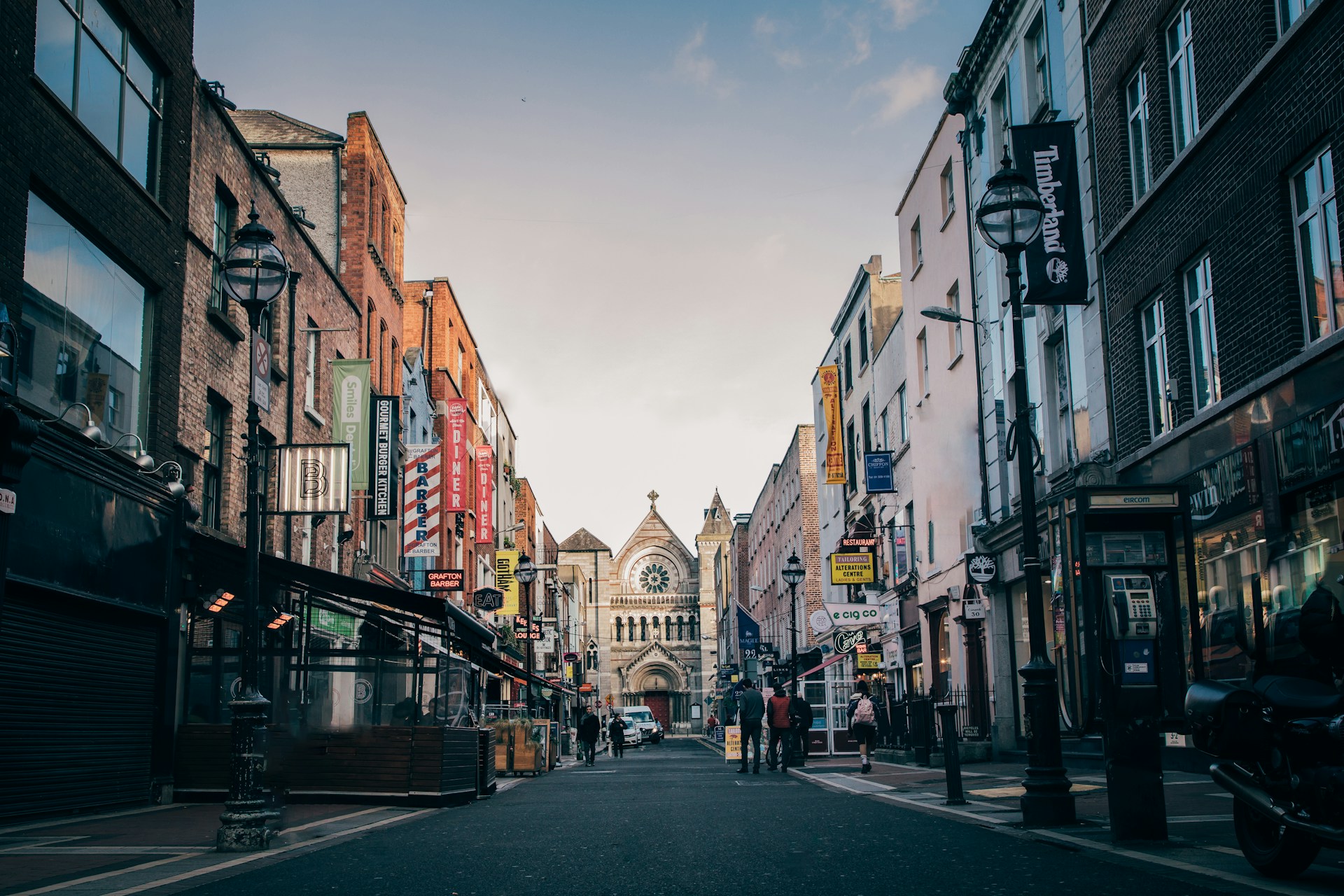
Accessible Ireland · Transport
Getting around Ireland in a wheelchair
Ireland is not the ADA. It is older, softer and more improvised, and once you understand that, it works better than you expect. Here is how we move people around it.
Read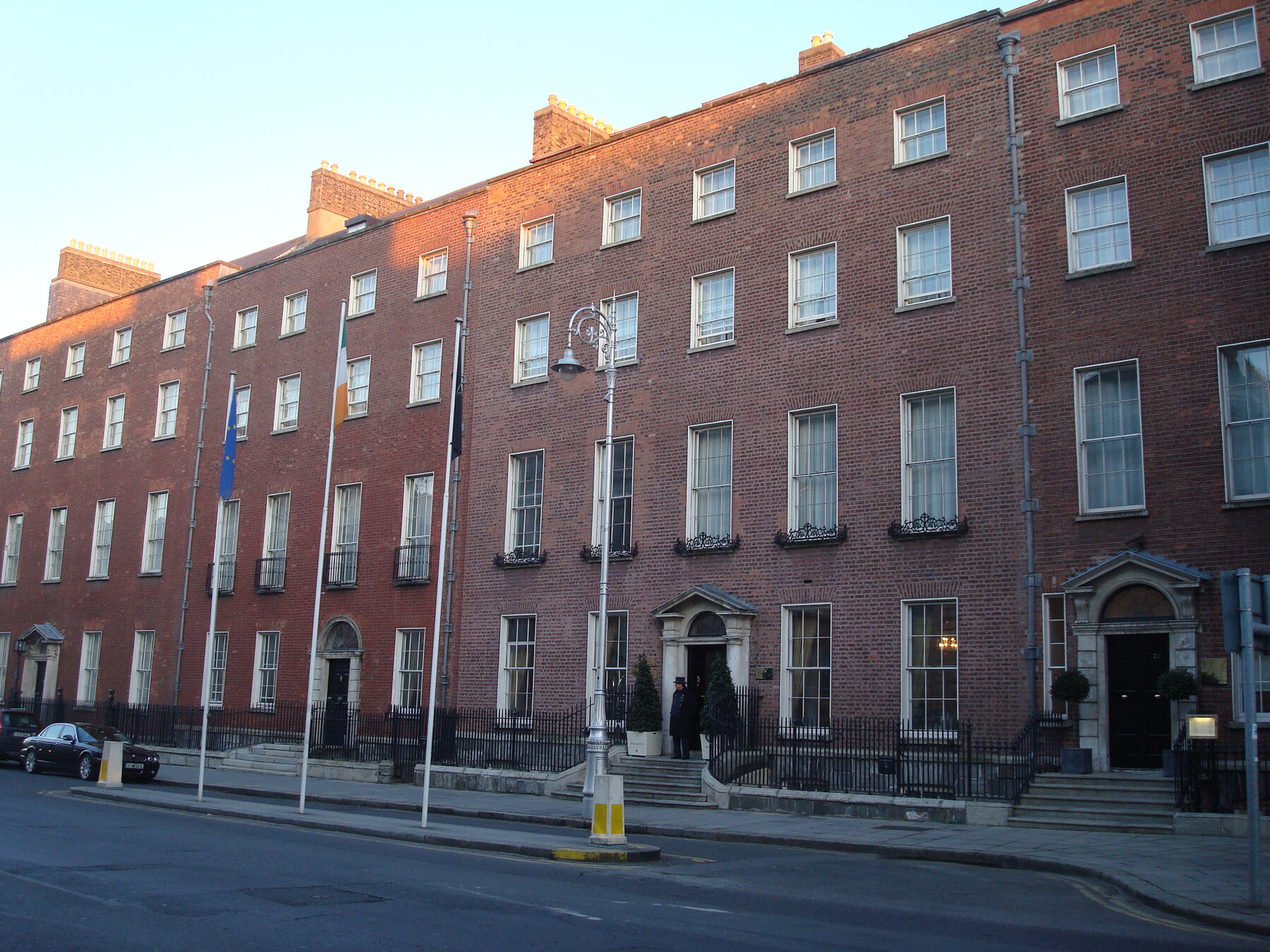
Accessible Ireland · Where to stay
Accessible hotels in Ireland, and the questions that actually work
An Irish hotel calling a room accessible can mean a roll-in wet room, or it can mean a wide door and a hopeful attitude. Here is how we tell the difference before the deposit.
Read
Accessible Ireland · The table
Eating and drinking in Ireland without a step at the door
The Irish pub is the hardest room in the country to get into and the one nobody will let you skip. So we found the ones that work, and we asked about the toilet.
Read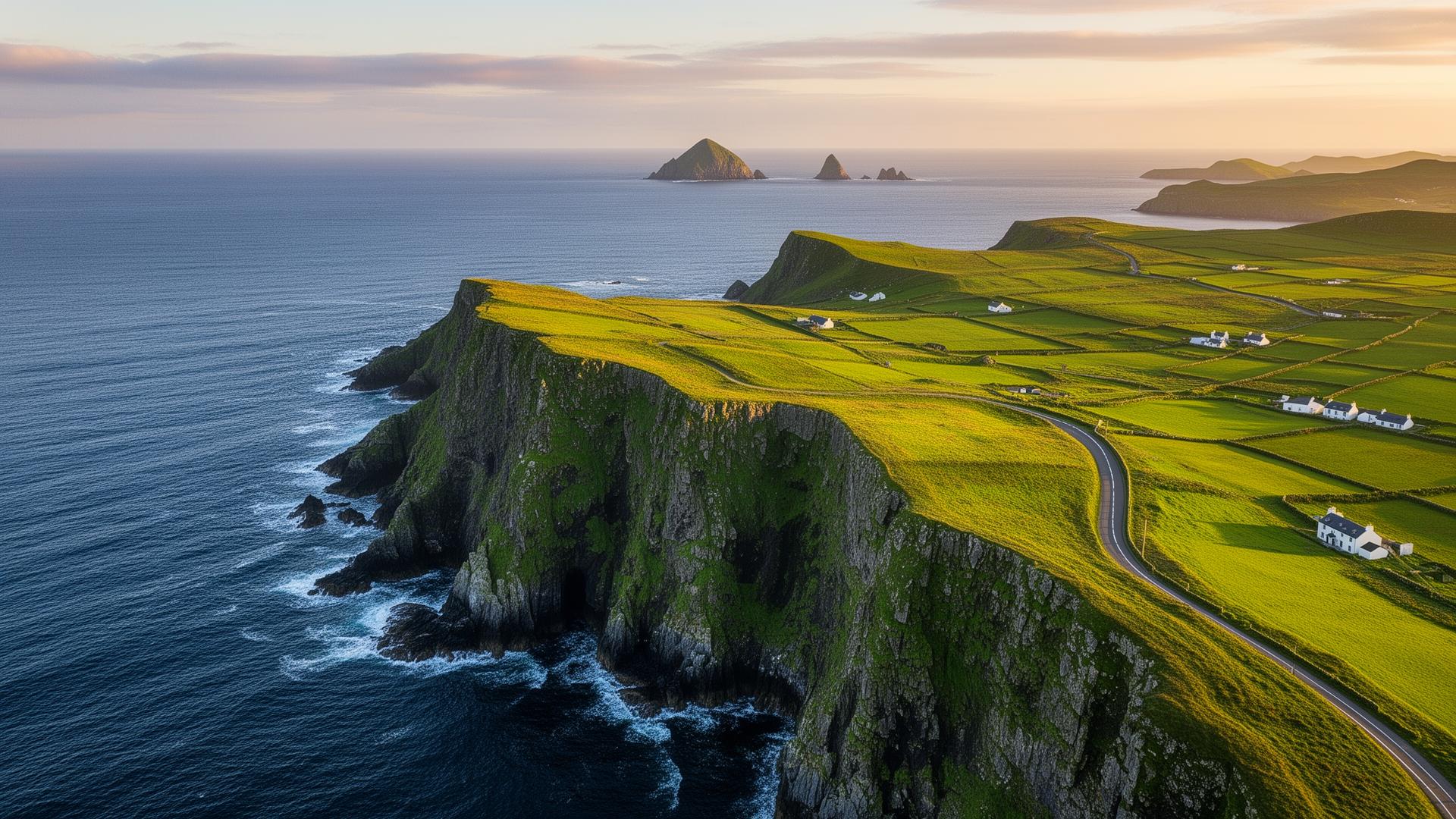
Accessible Ireland · Where to go
Which Irish attractions actually work in a wheelchair
Half the famous places in Ireland are ancient monuments on hills. This is where we send people instead, and where the famous ones still hold up.
ReadCommon questions
Accessible Ireland, answered
Tell us what you need and we will tell you the truth
Transfer widths, roll-in showers, hoists, a driver who knows how a ramp works. If we do not think something will suit you, we will say so rather than sell it.
Ask us about your tripWho reviews this
The people with authority over this system
We are not wheelchair users. We measure carefully, and careful measurement is still not the same as living it. So the system is reviewed by people who do, and their role is not decorative. They can change a definition, block an entry, or send us back to a path.
Manual chair users
Review gradient thresholds, camber tolerance and the point at which a surface stops being pushable rather than merely rough.
Powerchair users
Review ground clearance, turning circles, kerb transitions, lift dimensions and vehicle and rail boarding.
Independent travellers
Review whether an entry can be planned and executed with nobody to push, lift, fetch or ask on your behalf.
Travellers with a companion
Review the assisted category, and whether A2 entries name the obstacle precisely enough for two people to decide before they set out.
Users with fatigue or limited upper-body strength
Review distances, rest provision, seating intervals and whether a route that is technically flat is realistically doable at the end of a long day.
What reviewers decide
- The definitions of A1, A2 and A3, including where the boundaries between them sit.
- The wording of every grade, disclaimer and verification label on the hub.
- Whether a published route is usable in practice, not only on paper.
- Which data fields we are required to collect before an entry may be published.
- Which destinations we work on next, and which layers of access we add after wheelchair travel.
How the review runs
- Draft entries are circulated to the review group before publication, with the raw measurements attached rather than only the finished copy.
- A reviewer may block publication of an entry, downgrade it, or require it to be re-tested in a different chair type.
- Grading definitions are reviewed twice a year, and any change is applied to every existing entry rather than to new ones only.
- Reviewers are paid for their time. This is work, not consultation by goodwill.
- Every review round is logged below with the date and the change it produced.
Corrections and updates
Tell us if something has changed
A lift goes out of service on a Tuesday and this page is wrong by Tuesday afternoon. If you have been somewhere we list and found it different, tell us. We would rather be corrected in public than be trusted wrongly.
What to report
- A lift that is out of service, or has been removed in a refurbishment
- An accessible toilet that is locked, out of order or being used for storage
- Accessible parking bays that have moved, been resurfaced or been suspended
- A path surface that has changed, washed out or been resealed
- A threshold or ramp that does not match the measurement we published
- A change in staff policy, booking process or assistance arrangements
- Temporary construction that blocks the route we describe
What to include
- Venue or route
- The name as it appears on this page
- What has changed
- Lift, toilet, parking, surface, threshold, policy, construction
- Date observed
- The day you were there
- Photograph
- Optional, but a photograph of a door or a ramp settles most questions
- Contact permission
- Whether we may write back to confirm details
The message opens pre-filled with the fields above. Photographs of a door, a ramp or a toilet settle most questions in one exchange.
What has changed here
Corrections are logged rather than quietly overwritten, so you can see what we got wrong and when we fixed it.
August 2026
Whole hub
Published the grading method in full, added verification status and dates to every entry, and re-stated the scope as wheelchair travel rather than accessibility in general.Source: Editorial review
August 2026
A1 definition
Added a permanent qualification. A1 now describes the physical route only, and no longer implies independence for every wheelchair user.Source: Editorial review
August 2026
A3 entries
Rewrote absolute language. Every A3 entry now names the chair types affected and says whether adaptive equipment or a specialist operator changes the answer.Source: Editorial review
The same places, read the usual way