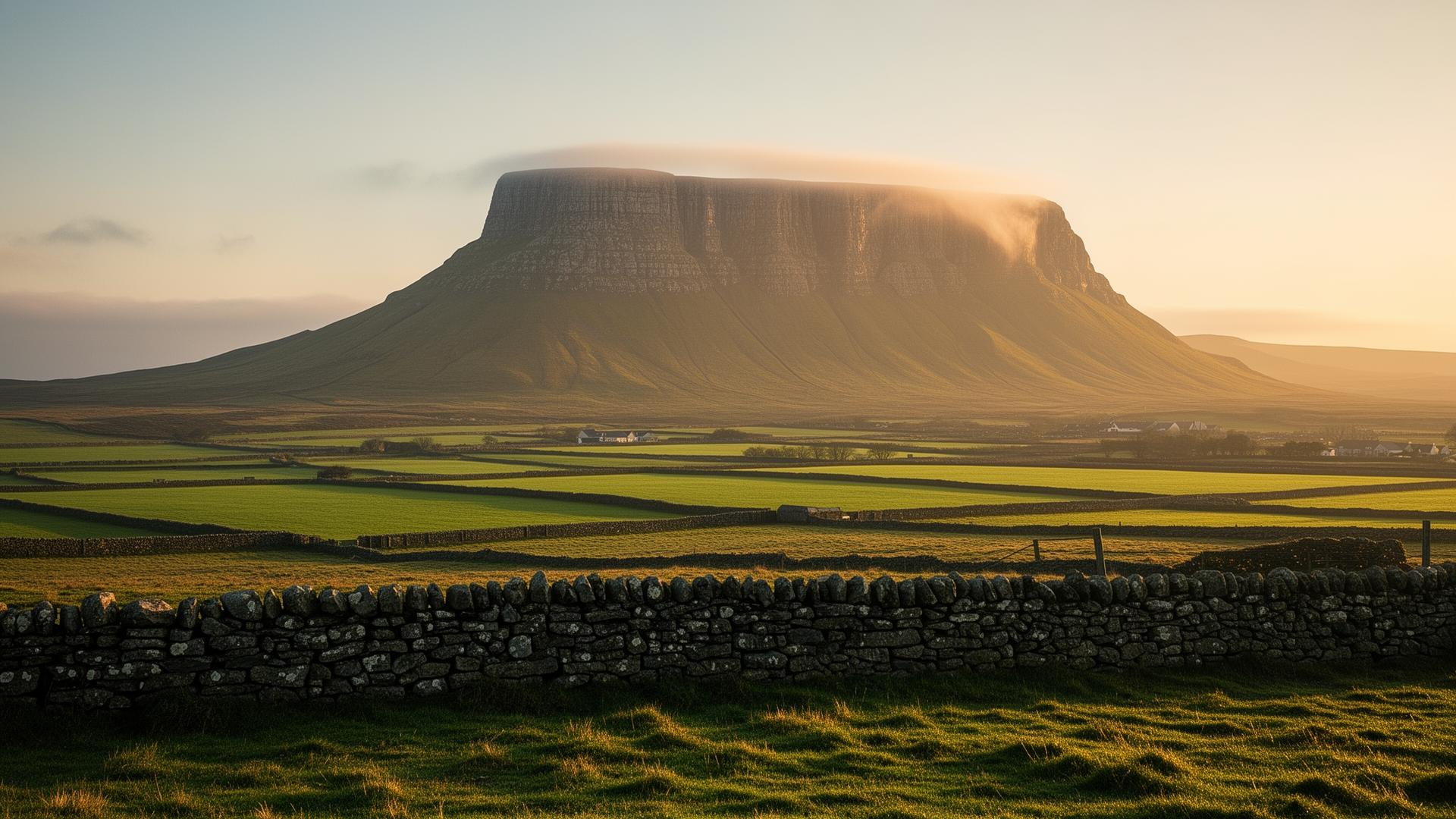
Why Sligo keeps getting skipped, and why that is your advantage
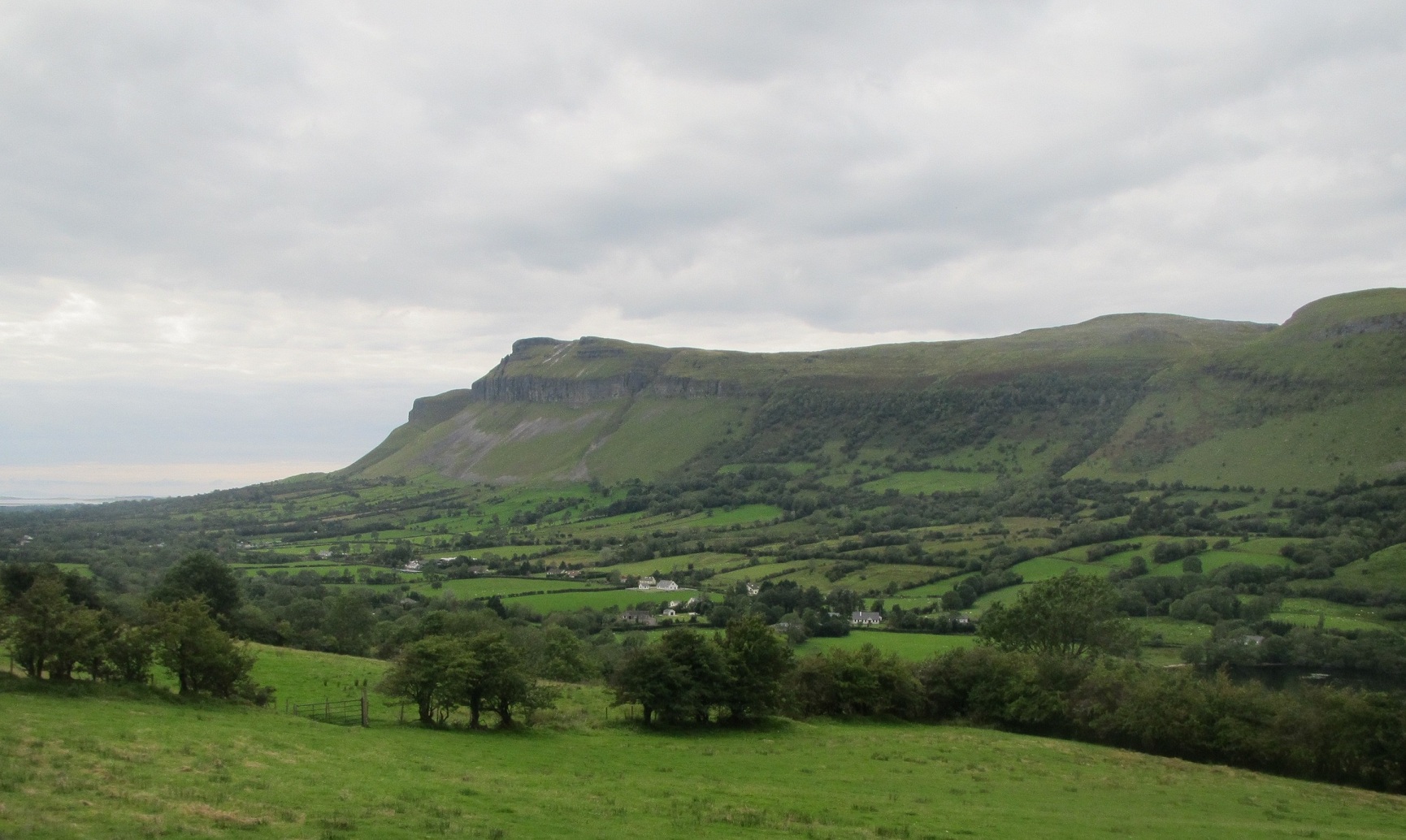
Sligo sits between Donegal and Mayo on the Wild Atlantic Way, and most itineraries treat it as the drive between the two. We did the same for our first year here. Then we stopped for a night in Strandhill because a storm shut the road north, and we have been coming back ever since.
The county has the ingredients everyone claims to want. A mountain that looks like nothing else in Europe. A working surf town on an Atlantic beach. More megalithic tombs than any other county in Ireland, most of them unstaffed and free. A small city with a genuinely good food scene. And almost no queue for any of it.
What Sligo does not have is a single unmissable photograph that forces it onto a seven day route. That is precisely why it stays this good.
The three Sligos, and which one you actually want
The county reads as one place on a map. On the ground it is three, half an hour apart.
- Yeats country and the north
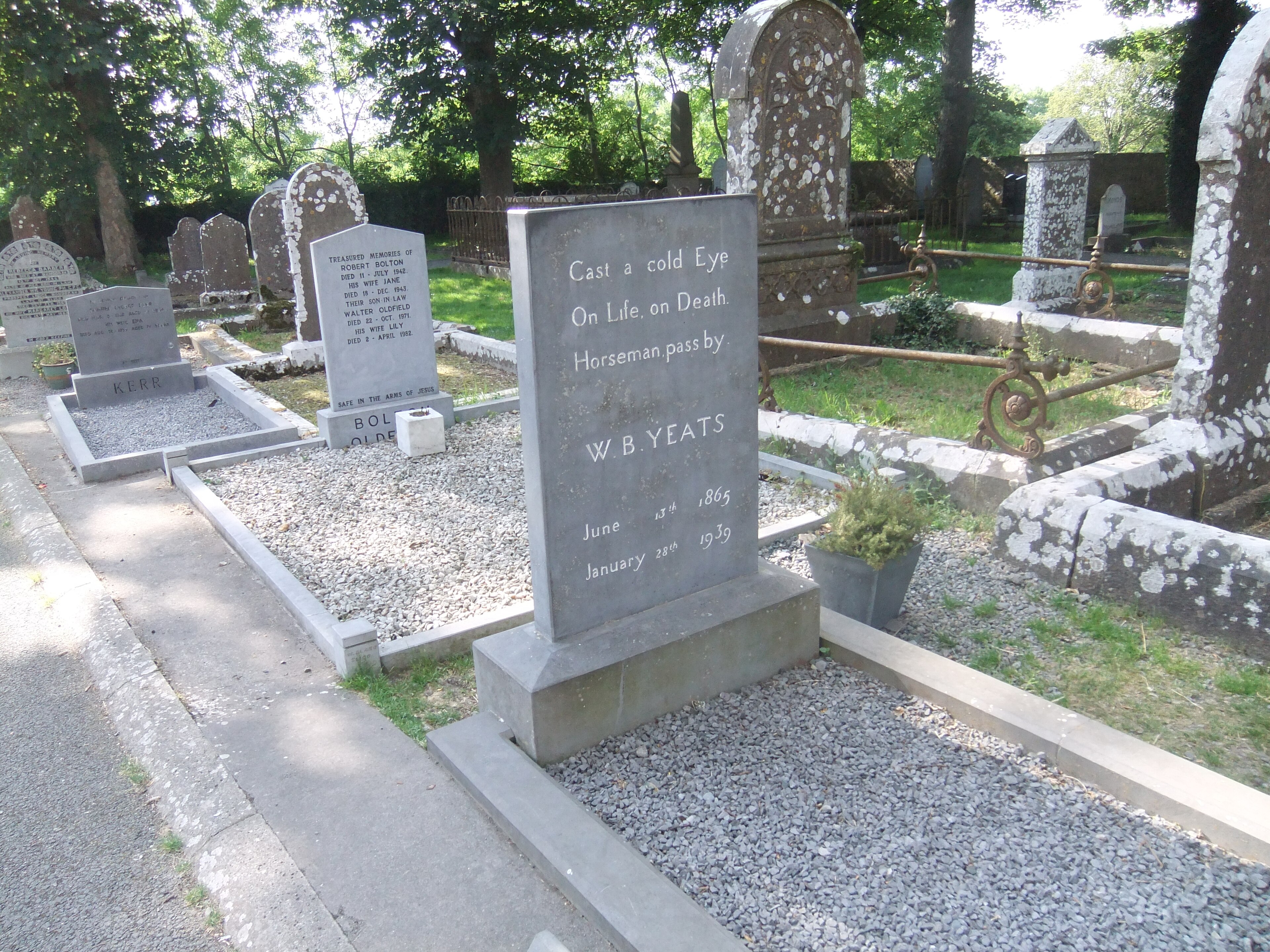
- Benbulben, Drumcliffe churchyard, Glencar waterfall, Lissadell House and the headland at Mullaghmore. This is the literary and the theatrical Sligo, and it is where the county earns its reputation.
- Strandhill and the coast
- A surf town on a long Atlantic beach under Knocknarea, with seaweed baths at the end of the road, a good bakery, and an airstrip you can eat breakfast beside. The most enjoyable base in the county.
- Carrowmore and the stone
- The largest cemetery of megalithic tombs in Ireland, plus Carrowkeel in the Bricklieve Mountains and Queen Maeve's cairn on Knocknarea. Older than Newgrange, and you can have most of it to yourself on a weekday.
Walking, surfing and the weather question
Benbulben is not climbed from the front. The route people actually walk is the Gortarowey forest loop at its base, an easy hour with the escarpment above you the whole way, and it gives you the mountain far better than a summit push would. Knocknarea is the real climb, forty minutes up a stepped path to a neolithic cairn and a view over the whole bay.
Strandhill surfs year round and it is not a gentle beginner beach on a big day. Lessons run from the beach car park and the schools will tell you honestly when conditions are wrong, which is the sign of a good one. Swimming at Strandhill itself is dangerous because of rips, so swim at Rosses Point instead. Locals know this, visitors frequently do not.
Sligo weather comes off the Atlantic at speed. Plan the outdoor half of your day for the morning and hold the seaweed baths, the museum and the long lunch in reserve for the afternoon when the front comes through.
Driving Sligo, honestly
Sligo town is two and a half hours from Dublin on good road, and it is one of the easiest west coast drives for a first-time visitor. The N4 is dual carriageway for most of it.
Inside the county everything is close. Sligo town to Strandhill is ten minutes. To Drumcliffe, fifteen. To Mullaghmore, thirty-five. You can base once and never repack, which is rare on the Wild Atlantic Way.
Going north, Donegal town is an hour and Slieve League an hour and forty. Going south, Westport is an hour and a half. Sligo is the natural hinge between the two, which is the strongest practical argument for giving it two nights rather than a lunch stop.