The Ireland Edit
Literary Ireland
Explore Ireland through the places that shaped its writers.
The Quick Answer
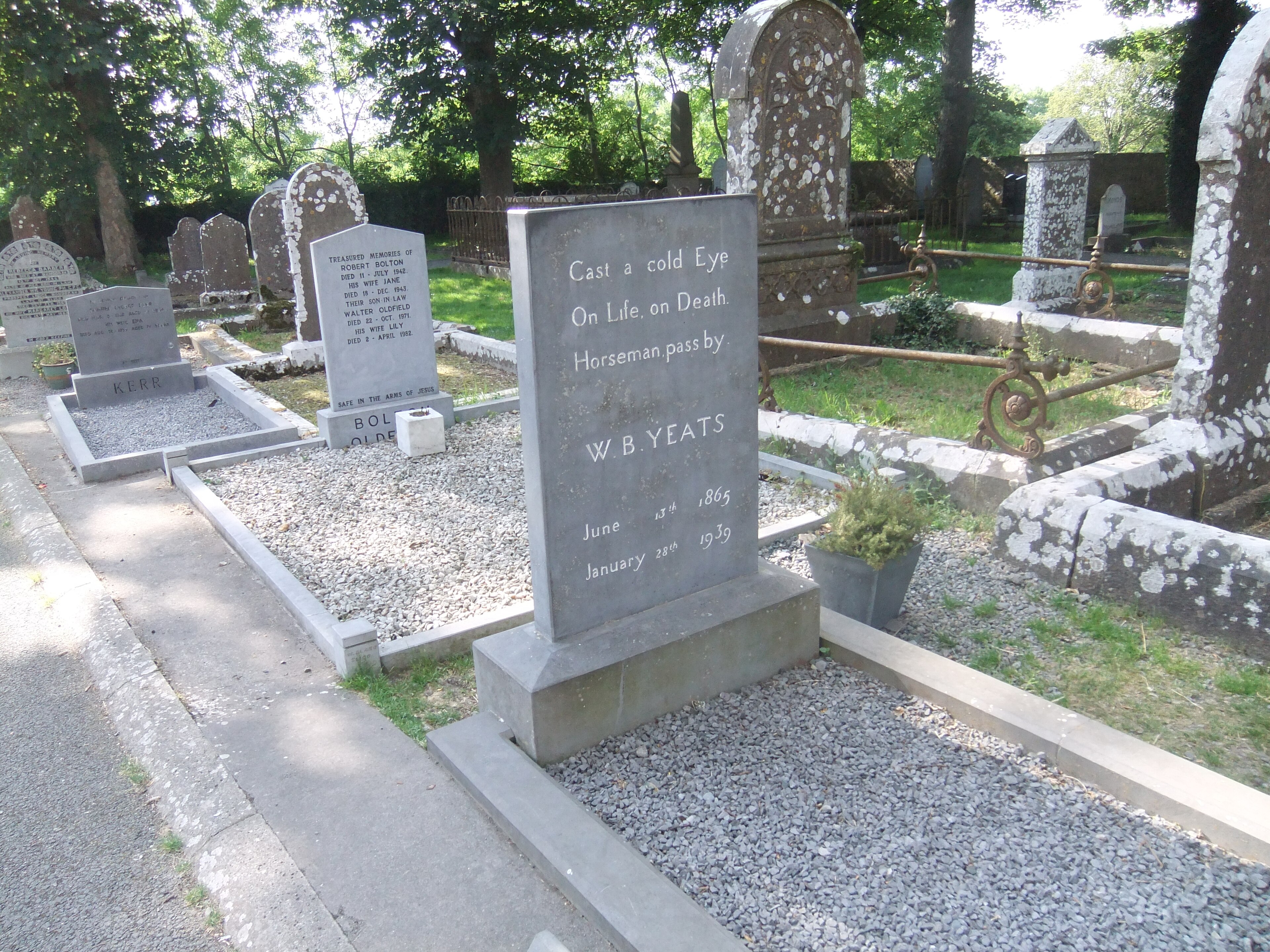
Ireland's literary map is walkable in a week. Give Dublin two days for the Book of Kells, the Writers Museum and a literary pub crawl, then go west: Sligo for Yeats country and his grave at Drumcliff, and north to Bellaghy for Seamus Heaney HomePlace. Read one book per place before you go. The landscapes make the poems legible, and the poems make the landscapes unforgettable.
- Book of Kells: first entry slot is 8:30am, before the groups
- Yeats is buried at Drumcliff churchyard, under Benbulben
- Seamus Heaney HomePlace sits in Bellaghy, his home village
- Dublin Writers Museum is on Parnell Square, free with the Dublin Pass
Related:the Dublin Editour County Sligo guideLiterary Dublin
A note from the editor
We came to Ireland for the writing. We stayed for the rhythm the writing came out of. This page is the editorial map we wish we’d had on the first trip: not a directory, not a tour, a way of reading the country slowly through the landscapes that taught it how to write.
Deborah Nunez, Editor
01: Begin with a mood
Five Irelands, five literatures.
The literary country isn’t one place. It is at least five, each with its own weather and its own register. Start with the one that matches the trip you actually want, not the one that sells.
wit, conversation, city rhythm
“Good puzzles would entertain me, but bad puzzles annoy me.”James JoyceWalk the Literary Dublin Edit
elegiac, rural, mythic
“I will arise and go now, and go to Innisfree.”W. B. YeatsRead Yeats Country
quiet, reflective, elemental
“Between my finger and my thumb the squat pen rests.”Seamus HeaneyRead Heaney Country
weather, distance, silence
“The west's awake, the west's awake.”Thomas DavisRead the Atlantic West
observation and ritual
“It is a curious sensation, the sort of pity I feel for Dublin.”Elizabeth BowenRead the Georgian core
02: Explore by writer
Five writers, five ways to travel.
Each Irish writer carries a landscape. Pick the one whose register matches your week, then read on the ground they wrote from.
Writer
W. B. Yeats
Landscape
Sligo, Drumcliffe, Ben Bulben, Coole ParkRead first
The Wild Swans at Coole; Under Ben BulbenTravel style
Slow, rural, three-night anchor3 daysWriter
Seamus Heaney
Landscape
Bellaghy, Mossbawn, Lough Beg, south DerryRead first
Death of a Naturalist; Field WorkTravel style
Single quiet day from Belfast1 to 2 daysWriter
James Joyce
Landscape
Dublin: the Liberties, Sandymount, Glasnevin, Eccles StreetRead first
Dubliners; Ulysses (start with the first three chapters)Travel style
City reading week, walking3 to 7 daysWriter
Oscar Wilde
Landscape
Merrion Square, Trinity College, Westland RowRead first
De Profundis; The Picture of Dorian GrayTravel style
Georgian core, afternoon pace1 day inside DublinWriter
Samuel Beckett
Landscape
Foxrock, Trinity, the Royal CanalRead first
Krapp's Last Tape; MolloyTravel style
Half a day, deliberately spareHalf day inside Dublin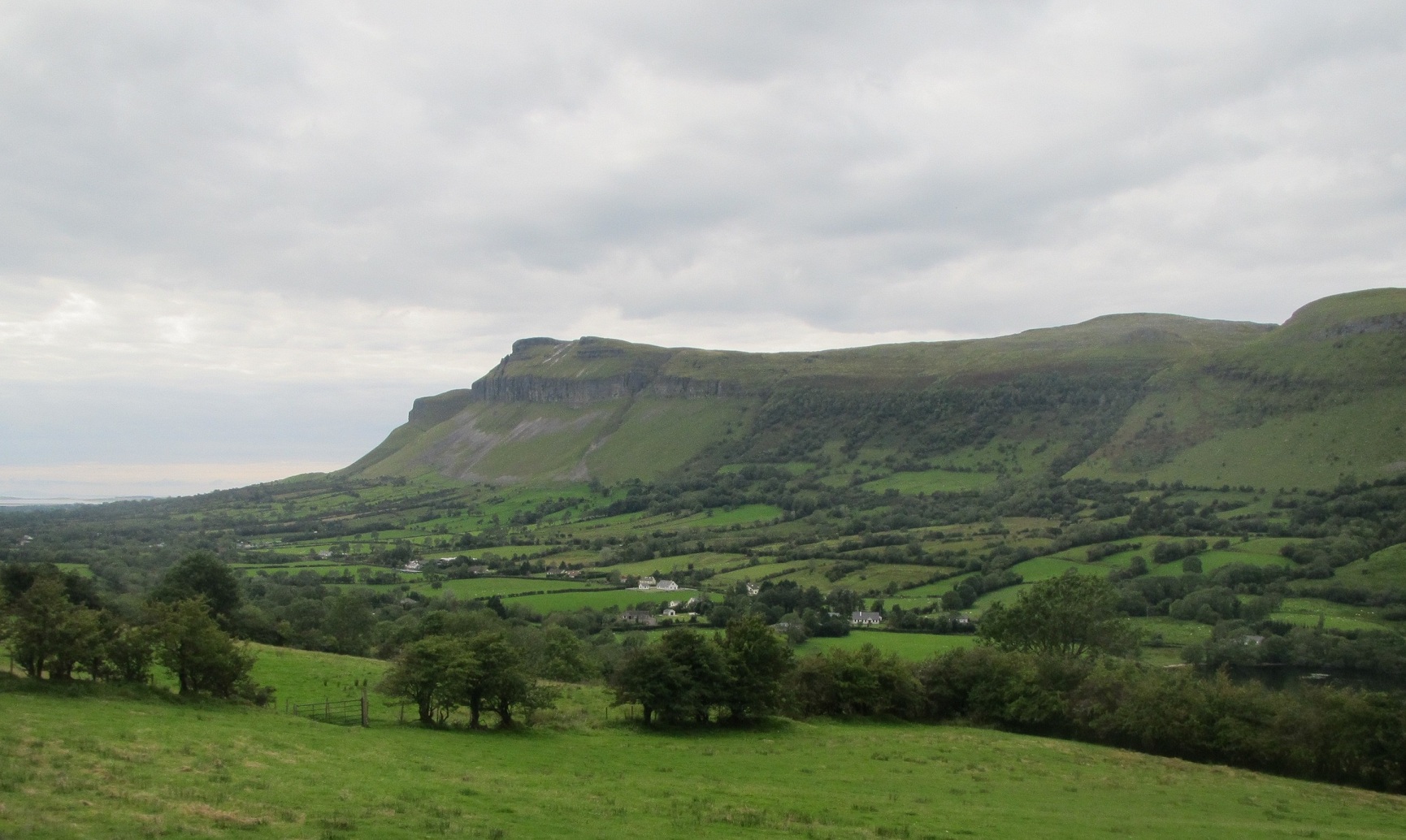
03: Literary journeys
The editions, itineraries and guides that follow from here.
Printed Edition
Walking Ireland
Our printed edition on slow, landscape-led walking. Pairs naturally with Yeats Country and Heaney Country.
Read itItinerary
The 10-Day Reading Spine
Dublin to Sligo to Bellaghy and back. The literary spine of Ireland in ten unhurried days.
Read itItinerary
Three Days in Literary Dublin
Trinity, MoLI, Marsh's Library, the right pubs, the right tables. A reading weekend.
Read itRegion Guide
The Dublin Edit
Dublin as a small serious city. The Georgian core, Stoneybatter, the literary square mile.
Read itRegion Guide
Connemara and the Atlantic West
Weather, distance, silence. The landscape behind half of twentieth-century Irish writing.
Read itNotebook
Walking Ireland Notebook
Field notes from the walks the printed edition is built on. Slow reading, slow pace.
Read it04: Literary reading paths
If you loved…
Five honest doorways into the literary country. Pick the sentence that sounds like the trip you actually want.
If you came for the poetry
Begin with Yeats Country. Add Bellaghy on the way back to Belfast. Read Heaney aloud on the train.
Follow this pathIf you came for long conversations
Begin with Literary Dublin. Three nights in the Georgian core, two pubs a day, dinner at Chapter One.
Follow this pathIf you came for landscapes
Begin with the Atlantic West. Connemara, then Sligo. Read The Aran Islands and The Wild Swans at Coole.
Follow this pathIf you came for village Ireland
Begin with Heaney Country. South Derry slowly, then a single Dublin night to close the trip.
Follow this pathIf you came for the literary pubs
Begin with Literary Dublin. Davy Byrnes, Neary's, Toner's, Grogan's. A pub a night, never more.
Follow this path05: The editorial thesis
Ireland is best understood slowly.
The literary country does not reveal itself to a checklist. It reveals itself to a reader who is willing to walk the same lane twice, to sit in the same pub on a second evening, to read the poem on the bench beside the canal it was written about. That is the editorial premise of this hub, and of the brand.
Literature in Ireland is not an attraction. It is a way of reading the landscape. Yeats did not write about Sligo; he wrote from it, and the light over Ben Bulben is half of what the poems mean. Heaney did not write about the bog; he wrote out of the act of standing on it. Joyce did not write about Dublin; he rebuilt it sentence by sentence, naming doorways. To travel literary Ireland is to learn to read a country the way a poet reads weather.
The point of a literary trip in Ireland is not to find the writers. It is to find the rhythm the writing came out of, and to slow yourself enough to hear it.
We organise this hub by mood first, writer second, journey third. That is the order we travel the country in. Mood is what gets you on the right train. The writer is who you read while you ride it. The journey is the week you actually book. Everything else on The Ireland Edit, from the printed editions to the composer behind our itinerary engine, sits underneath that order.
Read it slowly. Use the doorways above. The country is small. The reading is long.
Before choosing a writer's country, glance at the walk and the printed edition that will travel with you.