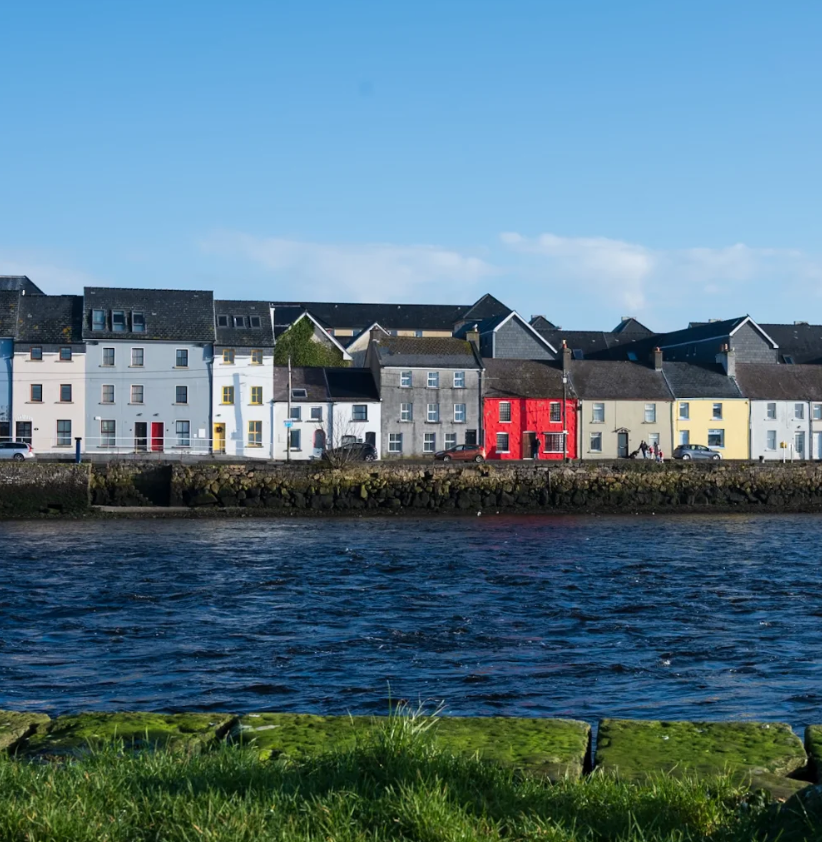
Eaten through six Irish oyster seasons, from Kilcolgan and Carlingford to the pier at Achill and the bar at Kelly's
Ireland grows two oysters and most visitors never learn the difference, which is a shame, because the difference is the whole story. One is a native flat oyster that has been eaten on this island since before anybody wrote anything down, that grows slowly, that has a short season, and that tastes of metal and cream and cold water. The other is a rock oyster, introduced, farmed, available year round, cleaner and easier and perfectly good. Knowing which one is in front of you, and when to insist on the first, is the difference between eating oysters in Ireland and eating oysters that happen to be in Ireland.
The Two Oysters, And Why It Matters
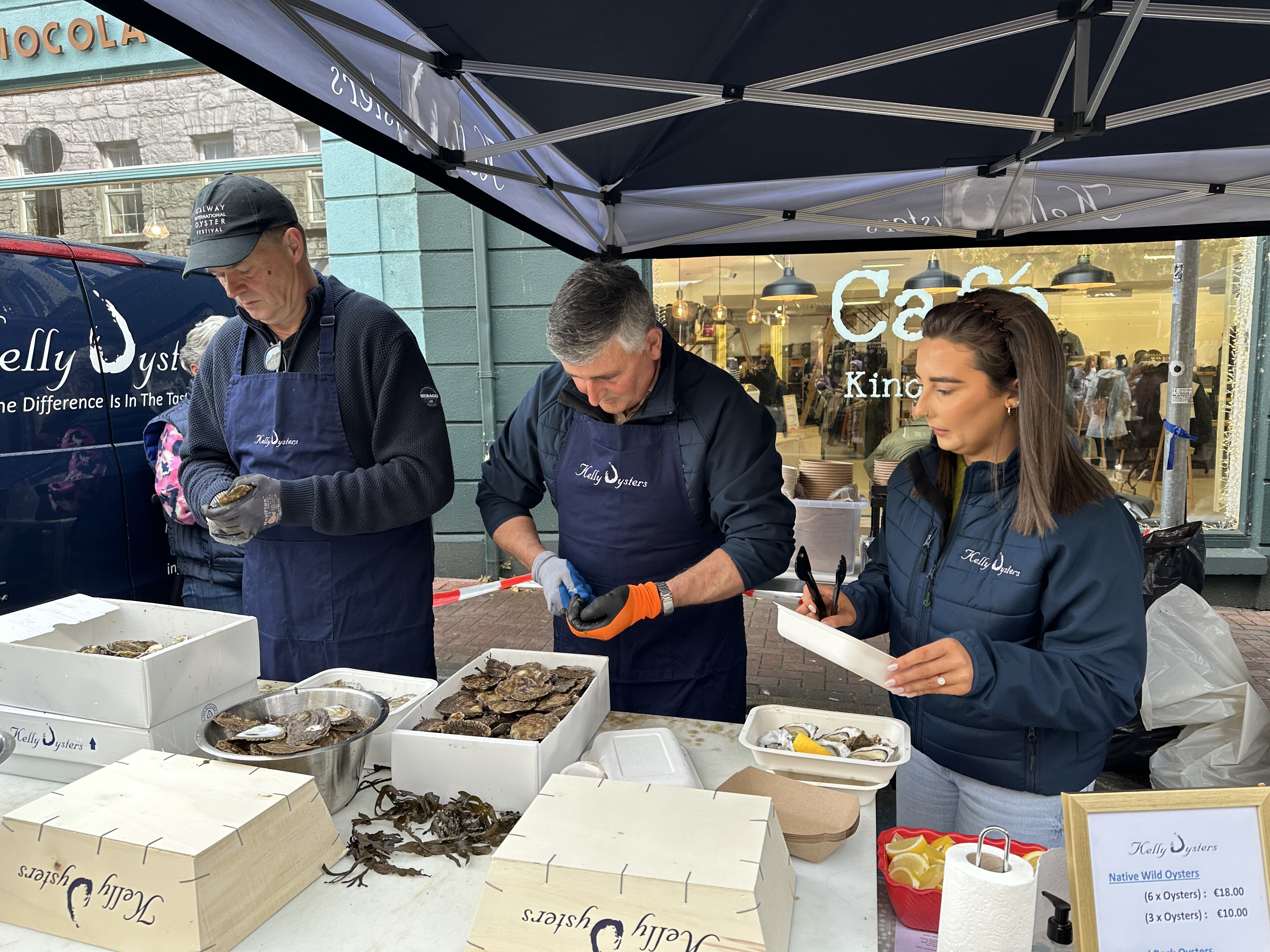
The native flat oyster, Ostrea edulis, is the one that made Galway's name. It is round and shallow, with a flat top shell that sits on the bottom shell like a lid. It takes four or five years to reach a size worth eating, it spawns in summer, and it cannot be farmed intensively because it will not tolerate it. The flavour is heavier than most Americans expect: mineral, faintly metallic, with a long finish that keeps going after you have swallowed. You will either love it immediately or need three of them to come round. In our experience most people come round.
The rock oyster, Crassostrea gigas, arrived in Irish waters in the twentieth century and now makes up the overwhelming majority of what is farmed here. It is teardrop shaped, deeply cupped, grows in about two years, and is available every month of the year. The flavour is brighter and saltier with a cucumber note at the finish and much less of the mineral weight. It is the oyster you will be served at almost every bar in the country outside the native season, and a good Irish rock oyster from cold Atlantic water is a serious thing in its own right.
The practical consequence for a visitor is simple. If you are here between September and April and someone offers you natives, take them, because you are eating something you cannot easily get at home and cannot get here for half the year. If you are here in June, ask for rock oysters, enjoy them, and do not let anyone tell you the summer months are a write-off. The old rule about months with an R in them exists because natives spawn in summer and go soft and milky. It has nothing to do with safety and nothing to do with rock oysters.
Galway Bay: Kilcolgan And The South Shore
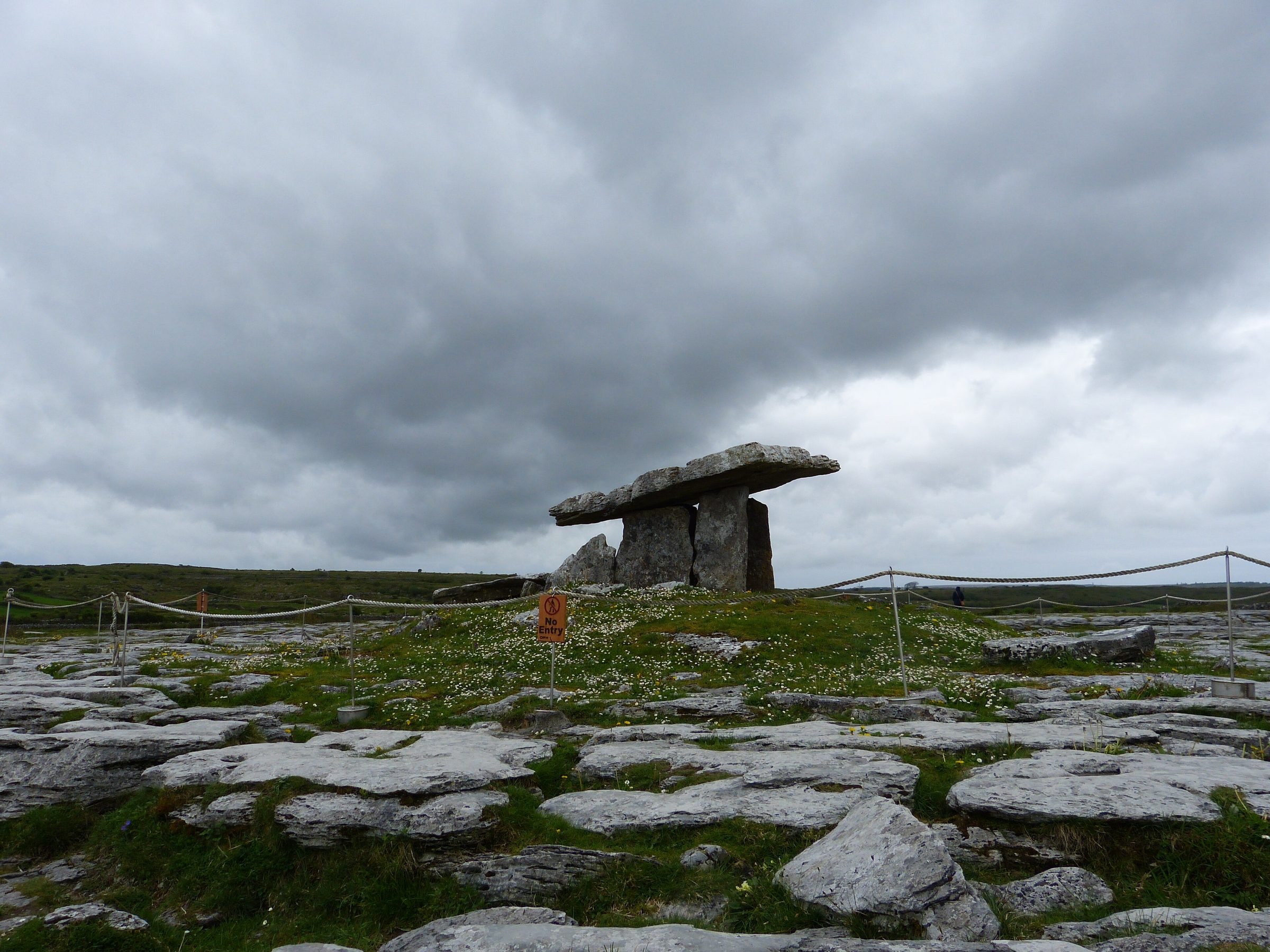
Galway Bay is the name in Irish oysters and the reputation is earned. The bay is shallow, fed by fresh water off the limestone of the Burren and by cold Atlantic water at the mouth, and that mix produces natives with a particular weight to them. Clarinbridge and Kilcolgan sit at the head of the bay, about twenty minutes south of Galway city, and between them they account for most of the country's native oyster mythology.
Moran's Oyster Cottage at Kilcolgan is where we go. It is thatched, sits on a tidal creek, has been in the same family for generations and serves oysters, brown bread, crab claws and stout with almost no ceremony. Order a half dozen natives if the month allows, a half dozen rocks alongside for comparison, and let the argument settle itself. The stop works as lunch on the drive from Galway to the Burren, which is one of the better ways to build a day in the west.
The Galway International Oyster and Seafood Festival lands in late September, at the opening of the native season, and it is genuinely worth attending if you understand what you are signing up for. The city is full, the rooms are expensive, and the shucking competition draws a crowd. If you want the oysters without the crush, come the first two weeks of October instead. Same oysters, no queue, half the room rate.
Carlingford, Cork And The Bays Nobody Mentions
Carlingford Lough, on the border between Louth and County Down, is the quiet great of Irish oyster country. The lough is deep, cold, sheltered by the Cooley and Mourne mountains on either side, and the rock oysters grown there have a cleanliness to them that we prefer to almost anything else in the country. Carlingford village itself is a short detour off the Dublin to Belfast road, has a Norman castle, three good pubs and an oyster festival of its own in August. If your trip runs between the two cities, this is the lunch stop.
In Cork, the oysters come from the harbours and inlets along the south coast, and the place to eat them is not a specialist oyster bar but the seafood rooms of west Cork. Kinsale, Baltimore, Union Hall and Castletownshend all handle shellfish as a matter of routine rather than as an event. Order a plate alongside whatever whitefish landed that morning. The famous name in the region is Ballymaloe, an hour east in Shanagarry, where oysters have been on the menu in one form or another for the entire life of the house.
Further north, the oysters from Achill and from Donegal's western bays are worth ordering when you see them, largely because they taste of colder and rougher water than anything grown in the south. You will rarely find them outside their own county, which is part of the pleasure. Ask what is local. In Ireland the answer is usually specific and usually within twenty miles.
How To Order Without Hesitating
Ask two questions and you will sound like you have done this before. First: are these natives or rocks. Second: where are they from. Any bar worth eating in will answer both instantly and will usually name the bay and often the grower. If the answer is vague, order something else. A half dozen is a starter, a dozen is lunch with brown bread and a pint, and two dozen between two people with a bottle of Muscadet is an afternoon that will be talked about later.
Eat the first one plain. No lemon, no shallot vinegar, no hot sauce. You are trying to taste the bay, and citrus will flatten a native flat oyster completely. Chew it twice before you swallow, because the flavour lives in the chew and not in the slide. Then dress the second one however you like. Irish bars will bring lemon and a sharp vinegar with shallots as standard, and a good half of the country puts a shake of pepper on top and drinks stout behind it. The stout pairing is not a tourist invention. It works because the roast bitterness cuts the cream of the oyster.
One thing we tell every American visitor: the liquor in the shell is part of the dish. Do not tip it out. If a bar has drained the shells, they have handled the oysters badly and you can safely lower your expectations for what follows.
Season, Price And What Good Looks Like
Native flat oysters run from September through April, with the best eating in our view falling between late October and February when the water is coldest and the meat firmest. Rock oysters are sold year round, though they too are at their best in the colder months and can go softer through a warm July. Prices vary less than you would expect: expect somewhere around three to four euro apiece for rocks and four to six for natives, with the seafood bars on the water charging noticeably less than city restaurants for the same shellfish.
What good looks like: a shell that is closed before shucking and heavy in the hand, meat that fills the shell rather than sitting shrunken in it, clear liquor with no cloudiness, and a smell of cold sea and nothing else. If an oyster smells of anything other than the sea, send it back without apology. This is normal here and no waiter will be surprised.
The commercial reality worth knowing is that most Irish native oysters are exported, largely to France, and that the domestic market gets a smaller share than the reputation would suggest. That is why a bar in Dublin may offer you rocks in November while a bar on Galway Bay is serving natives from twelve miles away. Eat them near the water they came from. In a country this small that is never a long drive.
The Oyster Trips We Would Actually Build
The west version. Two nights in Galway city, the Saturday market in the morning, lunch at Moran's at Kilcolgan on the way south, and dinner in the Burren. Add Aniar in the city if you want the native oyster to turn up inside a tasting menu with fermented gooseberry alongside it, which is a version of the thing we did not expect to like and do.
The east version. Break the Dublin to Belfast drive at Carlingford. Two hours, a dozen rock oysters, a walk up to the castle, and back on the road. It converts the dullest motorway stretch in Ireland into the part of the day people remember. If you have a night to spare, stay, because the lough at evening from the Cooley side is one of the better hours on the island.
The south version. Kinsale for two nights, a day boat out of the harbour if the weather cooperates, and the drive east to Shanagarry for lunch at Ballymaloe. Oysters will appear at every stage without you asking. If you want one meal that explains Irish shellfish to somebody who has never thought about it, make it that lunch.
What We Would Tell A First-Timer
Come in October if the choice is yours. The native season has just opened, the summer crowds have gone, room rates have dropped, and the water is cold enough that everything tastes sharper. Eat your first dozen on Galway Bay, your second in Carlingford or west Cork, and compare them out loud, because that comparison is the fastest education in Irish shellfish available to anyone.
Do not overthink the etiquette. Irish oyster bars are not places of ceremony. They are places with paper on the table, a bucket for shells, brown bread that arrives without being asked for, and someone behind the counter who will happily tell you which grower had the better week. Order a dozen, eat the first one plain, and get a second round before you think you want it. You will.
Now that you know the etiquette
Where we would eat them
Knowing the season is half of it. The other half is being in the right place when the bags come in.
Aran Islands Food Heritage Tour
Inishmore, five hours
The clearest way to understand Galway Bay shellfish, on the water it comes out of.
Check dates and availabilityConnemara and Galway private chauffeur 2 day tour from Dublin
Two days, private car
Build the oyster stops into a Connemara run rather than driving back to Galway for dinner.
Check dates and availabilityHowth and Malahide Private Tour
North Dublin, private car
If you are not going west, Howth is where Dublin eats them properly.
Check dates and availability
If you book through these links we may earn a commission, at no cost to you. It never changes what we recommend.
Questions we get asked
- When is oyster season in Ireland?
- Native flat oysters run from September through April, with the best eating between late October and February. Rock oysters are farmed and available all year, though they are firmer and better in the colder months.
- What is the difference between a native and a rock oyster?
- Natives are flat and round, take four or five years to grow, have a short season and taste mineral and creamy with a long finish. Rock oysters are deeply cupped, grow in about two years, are available year round and taste brighter and saltier.
- Where are the best oysters in Ireland?
- Galway Bay around Clarinbridge and Kilcolgan for natives, Carlingford Lough for exceptionally clean rock oysters, and the harbours of west Cork for oysters served alongside the day's whitefish.
- How much do oysters cost in Ireland?
- Roughly three to four euro each for rock oysters and four to six for natives. Seafood bars on the water are consistently cheaper than city restaurants for the same shellfish.
- What should I drink with Irish oysters?
- Stout is the traditional pairing and it works because the roast bitterness cuts the cream of the oyster. Muscadet, Chablis or a dry Irish cider all work too. Eat the first one plain before you add lemon or vinegar.
How we checked this
Further reading from the Notebook