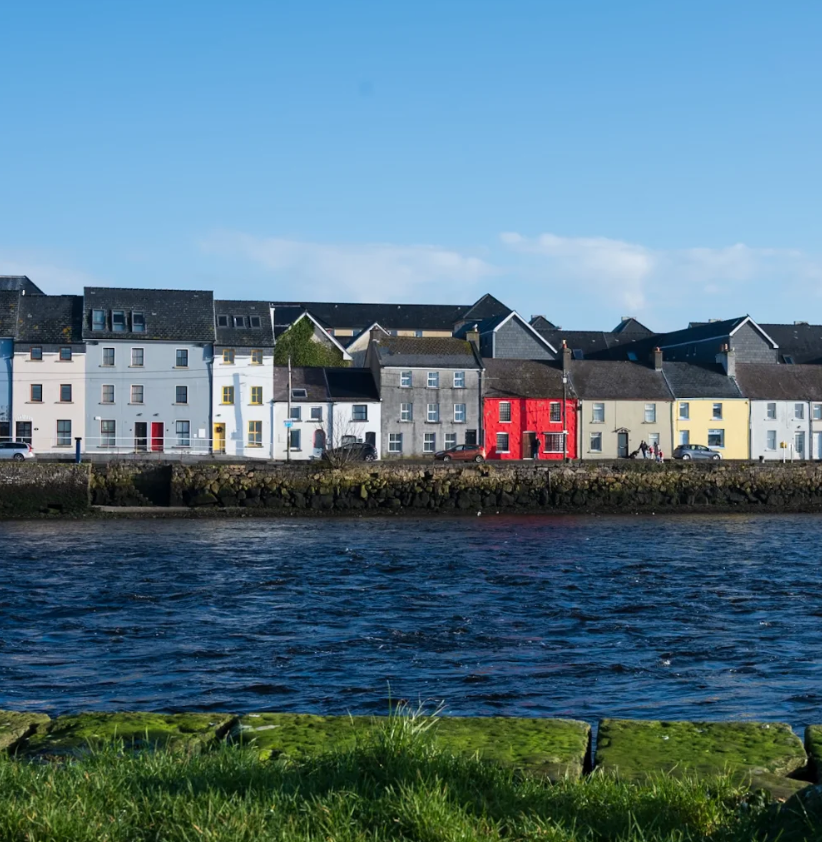
Eaten across four years of Galway winters and two Augusts, from the Saturday market to the Michelin rooms off Dominick Street
Galway is the eating city I would choose in Ireland and almost nobody plans a trip around it. Dublin gets the stars and the column inches. Galway gets the produce. It sits on a bay that grows oysters, at the end of a road that comes down from Connemara with lamb and turf-smoked butter, in a county where the vegetable growers still deliver to back doors by hand. What that produces is a city of about eighty thousand people carrying two Michelin stars, a market that runs every Saturday morning in the shadow of a church, and a level of cooking that costs roughly half of what the same plate would cost you in Dublin. This is how we eat here, and the order we would do it in.
Why Galway Cooks Better Than Its Size Suggests
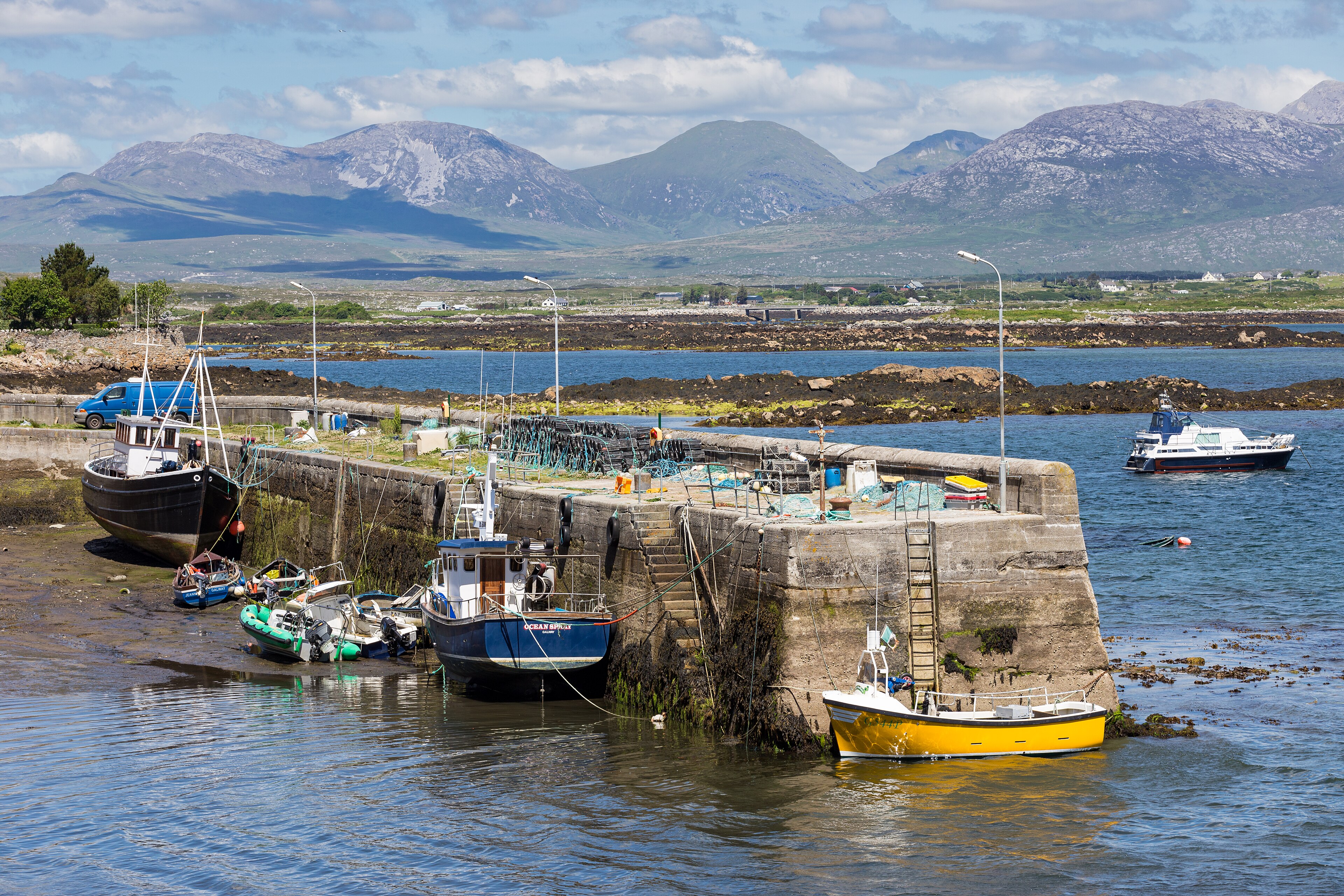
The short answer is geography. Galway sits at the meeting point of three larders that almost no other Irish city can reach in an hour. To the west is Connemara, which gives lamb raised on heather and salt air, wild sea vegetables from the Atlantic shoreline, and smoked fish from the small houses around Roundstone. To the south is the bay itself, which produces native oysters between September and April and gilled rock oysters year round. To the east is the flat farmland of east Galway and Clare, where the vegetable growing is small, stubborn and mostly organic. A chef here can build a menu without ordering anything from a national distributor, and the good ones do.
The second answer is money, or the lack of it. Galway rents have never supported the eighty-cover room with a marble bar and a general manager in a suit. What they support is a twenty-four seat dining room with an open kitchen, three cooks, and a menu that changes when the delivery changes. That constraint is why the food here tends to taste of something rather than of technique. You will not find a great deal of gold leaf in Galway. You will find a plate of turbot that came in that morning, cooked over turf, served with butter that has been aged for a week, for around a third of what a comparable dish costs in a Dublin dining room.
The third answer, and the one we notice most as Americans living here, is that Galway never learned to be self-conscious about it. Nobody in the city talks about a food scene. They talk about who has the good crab this week. A restaurant that would be treated as a destination anywhere else is here treated as the place at the end of the lane where you can usually get a table on a Tuesday. That is the pleasure of eating here and it is also the reason visitors miss it entirely.
Aniar: The Two Hours That Explain The West
If you eat one meal in Galway, eat it at Aniar on Dominick Street. It holds a Michelin star, has held one since 2013, and it is the clearest statement of what the west of Ireland tastes like that we have found anywhere in the country. The room seats around twenty-five people. The kitchen is open. The menu is a set tasting sequence, usually somewhere between eight and twelve courses, and the price sits well under what a comparable starred tasting menu costs in Dublin, London or New York. You are eating for roughly the price of a good bottle of wine in Manhattan.
What arrives is a specific argument about place. Fermented and pickled vegetables from the restaurant's own cellar. Sea vegetables collected on the Connemara shore. Aged beef and mutton. Native oysters when the season allows. Turf and wood smoke used as a seasoning rather than a novelty. There is a fermentation lab attached to the restaurant and a cookery school upstairs, and both of those things show up on the plate as a depth of flavour that is difficult to fake. If you have eaten at Noma or its many descendants, the grammar will be familiar. The vocabulary is entirely local.
Book Aniar as soon as your dates are fixed. The room is small enough that a Saturday in July fills eight to ten weeks out, and there is no second sitting to fall back on. Midweek is easier and, in our experience, better, because the kitchen is calmer and the pass is more talkative. There are rooms upstairs at Aniar Townhouse if you would rather not think about the walk home. We would take them.
Kai, And The Rooms We Book For Ourselves
Kai on Sea Road is the Galway restaurant we send people to when they want to understand the city rather than be impressed by it. It is a low-ceilinged room with mismatched furniture, a blackboard, and cooking from Jess Murphy that is generous in a way tasting menus rarely are. Brunch here is the single best midday meal in the west of Ireland: eggs with harissa and yoghurt, cured fish, bread that justifies the walk. Dinner is bolder and louder. It takes bookings, it fills quickly, and it does not stand on ceremony. If you eat only one plate in Galway that you will still be describing to friends at Christmas, there is a fair chance it comes from here.
Loam, which held a star under Enda McEvoy for years, changed the way an entire generation of Irish chefs thought about foraging, fermentation and the value of an unfashionable vegetable. Its influence is now spread across kitchens from Dingle to Belfast, and you will taste it on menus all over Galway whether or not you eat at the restaurant itself. Loam itself closed permanently in January 2023, so do not plan an evening around it. Independent restaurants in this city open, close, move premises and reopen with a different name, and that churn is a feature of a small food city rather than a warning sign.
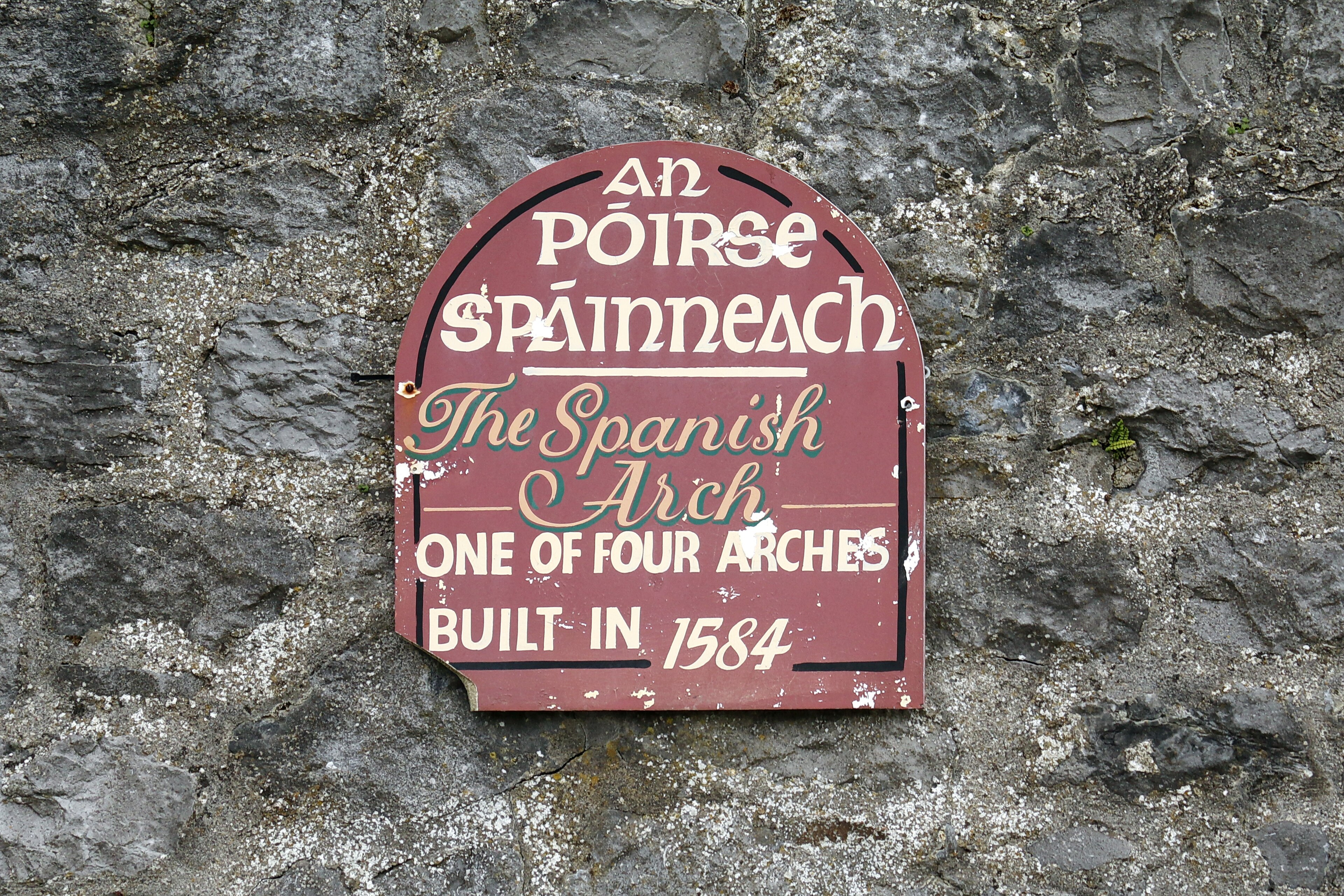
Beyond those, our short list is unfussy. Cava Bodega for late Spanish plates when the group is large and undecided. Ard Bia at Nimmo's, under the Spanish Arch, for lunch by the water in a stone building that has been most things over four hundred years. The Dough Bros for a pizza that will surprise you. And Sheridans Cheesemongers above the shop on Kirwan's Lane for wine, cheese and an hour of talking, which is a better Tuesday night than most tasting menus.
Saturday Morning At The Galway Market
The market runs alongside St Nicholas' Church every Saturday morning, and on Sundays and bank holidays through the summer. It is not a tourist market, though tourists shop at it. It is where the city buys vegetables. Get there before eleven if you want the good stalls to still have things, and bring cash, because the smallest producers still prefer it and the queue moves faster.
What we buy: Sheridans cheese, sourdough from the bread stall, smoked salmon from the Connemara smokehouses, and a doughnut from the stand that has no business being as good as it is. What you should eat standing up: the Sri Lankan curry stall, the crepe stall, and a coffee from anyone with a queue. The whole visit takes forty minutes and it will tell you more about how the west of Ireland eats than any restaurant meal will.
If you are driving out to Connemara that day, do the market first. It is the natural way to build a Saturday here: market at ten, coffee on Shop Street, out along the coast road through Spiddal by noon, back into the city for dinner. That shape is the reason we keep telling American visitors to base in Galway for three nights rather than one.
The Oyster Bars South Of The Bay
Twenty minutes south of the city, on the road toward Kinvara, the bay narrows at Kilcolgan and produces the oysters that made Galway's name. Moran's Oyster Cottage sits on the water at Kilcolgan, thatched, family run for generations, and it is the single most reliable seafood lunch in the county. You order native oysters if it is between September and April, rock oysters if it is not, brown bread, a pint of stout, and possibly a crab claw plate. You sit outside if the weather allows and inside if it does not, which is most of the time, and neither is a hardship.
The Galway International Oyster Festival takes place in late September and turns the city into something noisier than usual for a weekend. It is genuinely enjoyable and it is also the hardest weekend of the year to get a hotel room or a restaurant table. If your dates are flexible and you want the oysters without the crowd, come the first two weeks of October instead. The native season has opened, the students have not fully arrived, and you can walk into Moran's on a Tuesday.
We have written a longer piece on Irish oysters, where they come from and which ones to order, because the question comes up in almost every conversation we have with American visitors about eating here. The short version: native flat oysters between September and April, rock oysters the rest of the year, and no lemon until you have tried the first one plain.
Where To Stay So The Eating Works
Base yourself in the city centre and walk to dinner. Galway is small enough that everything in this piece sits inside a fifteen minute radius on foot, and the taxi supply on a wet Saturday night is genuinely poor. The Hardiman on Eyre Square is the grand old railway hotel, recently restored, and it puts you thirty seconds from the train and five minutes from Aniar. The g Hotel is the design option on the eastern edge, with the better spa and a short walk or a very short taxi into town. Park House is quieter and unfashionable and we like it for that.
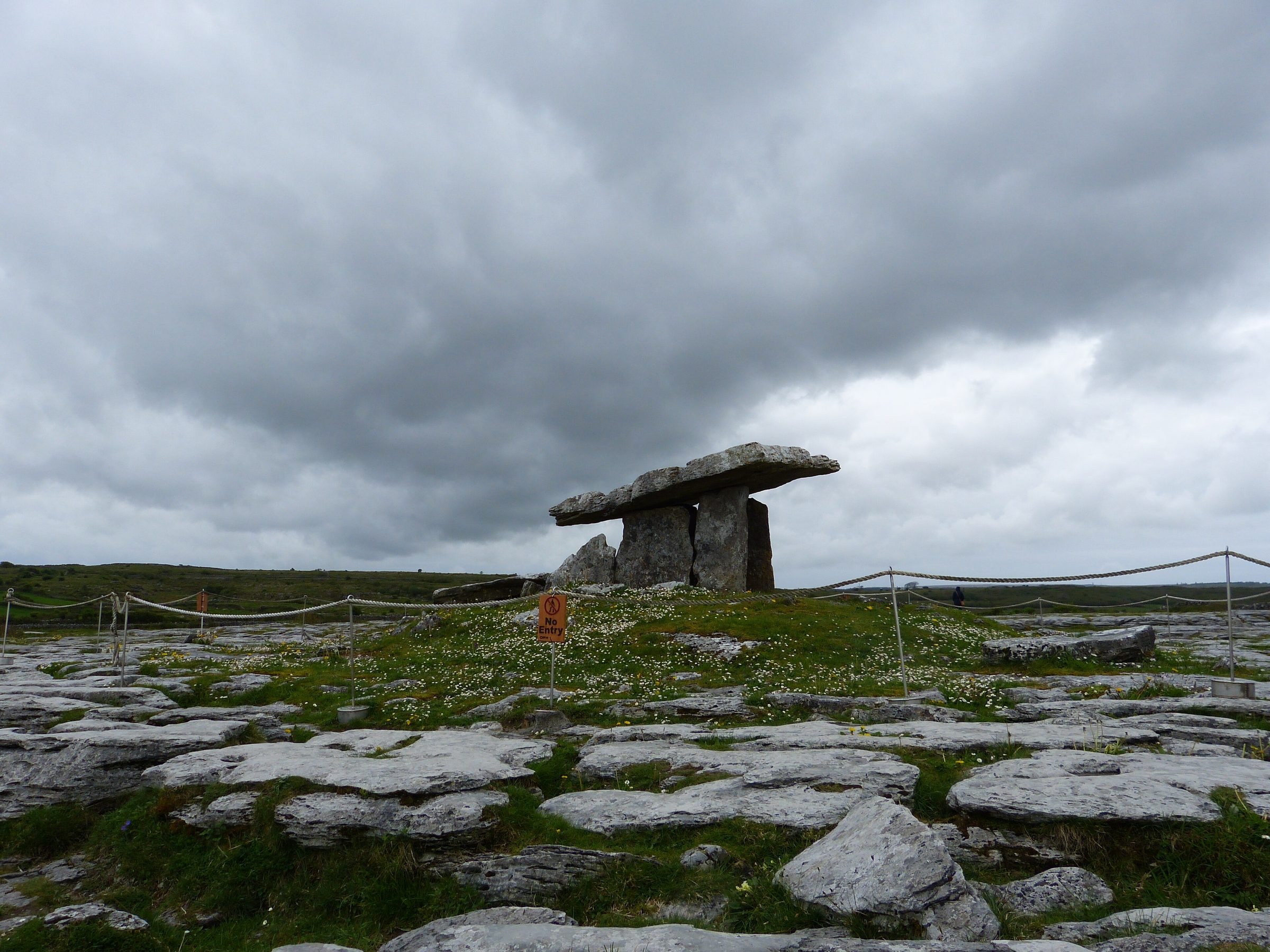
For a trip built around eating rather than sightseeing, we would spend two nights in the city and one out at Gregans Castle in the Burren, which is forty minutes south and has a dining room that has been quietly one of the best in Ireland for two decades. That gives you the market, two city dinners, the oysters on the road south, and one long slow evening looking at limestone. It is a better three days than most people build around Galway, and it costs less than two nights in Dublin.
If your trip is longer, Ballynahinch Castle sits an hour west in Connemara with a river running past the bar. Eat in the Owenmore dining room, drink in the fishermen's bar, walk before breakfast. The drive back into Galway for dinner is not difficult, but you will not want to make it, which is the point of the place.
How We Would Actually Eat Three Days Here
Day one, arrive in the afternoon, drop bags, walk to Ard Bia at Nimmo's for an early dinner by the Spanish Arch. Nothing ambitious. A plate of fish, a glass of wine, an early night. Day two, market at ten, coffee and a walk out along the Salthill promenade to kick the wall at the end, which is the local ritual and takes about an hour round trip. Lunch at Kai. Afternoon in Connemara or in the Hardiman's bar depending on weather. Dinner at Aniar, booked eight weeks ago.
Day three, drive south. Oysters at Moran's at Kilcolgan around one, then on into the Burren for the limestone and the light, and dinner at Gregans if you are staying, or back into the city for Cava Bodega if you are not. That is the trip. Three days, two of the best meals in Ireland, one market morning, one lunch on the water, and a total food bill that would buy you a single dinner for two in a starred Dublin room.
Book Aniar first and build the rest around it. That is the only fixed point. Everything else in Galway will still have a table for you on the day, and the improvised meals here are frequently better than the planned ones.
Questions we get asked
- Which is the best restaurant in Galway?
- Aniar on Dominick Street, for a Michelin-starred tasting menu built almost entirely from Connemara, Galway Bay and east Galway produce. Book eight to ten weeks ahead for a weekend table. Kai on Sea Road is the one we return to most often for a less formal meal.
- Is Galway cheaper than Dublin for fine dining?
- Yes, substantially. A starred tasting menu in Galway typically costs around half of the equivalent in Dublin, and wine lists are priced more gently. The gap is one of the strongest arguments for building a food trip around the west rather than the capital.
- When is the Galway market open?
- Every Saturday morning beside St Nicholas' Church, plus Sundays and bank holidays through the summer season. Arrive before eleven for the best of the produce stalls and bring cash for the smaller growers.
- Where should I eat oysters near Galway?
- Moran's Oyster Cottage at Kilcolgan, about twenty minutes south of the city on the road toward Kinvara. Native flat oysters run September to April, rock oysters year round. Order brown bread and stout with them.
- How many nights should I spend in Galway?
- Three. One arrival evening, one full day for the market, Connemara and a tasting menu, and one for the drive south to the oysters and the Burren. One night gets you a single dinner and a car park.
How we checked this
Further reading from the Notebook