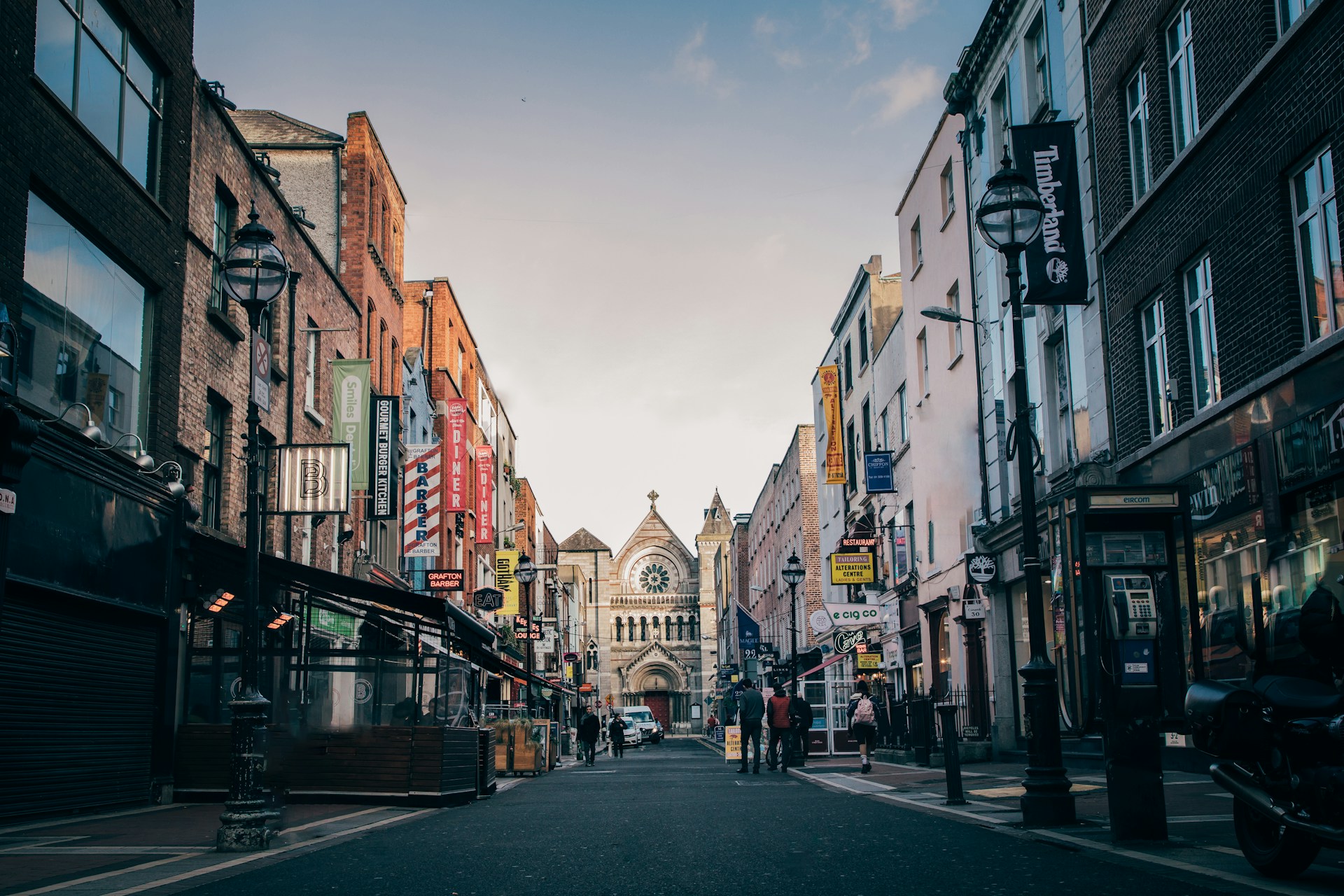
Learned the hard way across five years of Irish dining rooms, pub counters and hotel breakfasts, having arrived from America tipping twenty percent on everything
An American arriving in Ireland carries one small piece of luggage that never makes it into the overhead bin, which is the twenty percent tip. It is a reflex built over a lifetime and it does not translate cleanly here, because Irish hospitality staff are paid an hourly wage that is meant to be lived on rather than supplemented. Tipping in Ireland is real, it is appreciated, and it is smaller and narrower than what you are used to. Getting it right is not about saving money. It is about not making the interaction strange for either of you.
The Number, And Where It Applies
In a restaurant with table service, ten percent is normal and fifteen percent is generous. Twenty percent is not expected and, at the top end of the market where the bill is already three hundred euro, it will be noticed as an American number rather than as an Irish one. Nobody will refuse it. But if you are trying to behave like somebody who eats here rather than somebody visiting, ten to twelve and a round-up is the honest local answer.
Where it applies is narrower than at home. Table service in restaurants and hotel dining rooms: yes. Counter service, takeaway coffee, bakery, sandwich shop: no, though a tip jar exists and small change in it is welcome. Pub drinks ordered and paid at the bar: no, and this is the one that catches Americans most. Food ordered at a pub table with a server bringing it: yes, treat it as a restaurant. Hotel breakfast included in the room rate: not required, though a few euro left on the table at the end of a multi-night stay is a decent thing to do.
The underlying logic is that Irish minimum wage law makes no allowance for tipped work. There is no tipped minimum here. A waiter in Dublin is on an hourly rate that stands on its own, and the tip is a genuine addition rather than a structural necessity. That single fact explains almost every difference you will notice between tipping here and tipping at home.
Service Charge: What It Is And What Happens To It
Many Irish restaurants add a service charge, typically ten to twelve and a half percent, and typically only for larger tables, often groups of six or more. When it is applied it will be printed on the menu and printed again on the bill. When you see it, you do not tip on top. That is the whole point of it. If you want to add something for particularly good service, round the total up. You are not expected to add a second ten percent.
Since the Payment of Wages (Tips and Gratuities) Act came into force, Irish law requires that electronic tips and service charges are distributed to staff, and requires venues to display their tipping policy so customers can see where the money goes. In practice you will find a notice near the door or on the menu explaining how tips are shared. Read it if you are curious. The law was passed precisely because the old arrangements were opaque, and the effect on the ground has been positive.
Cash versus card is less loaded here than it once was, because the law now covers electronic tips. That said, cash handed directly to the person who served you still lands with that person immediately and without administration, and most floor staff we know still prefer it. If you had a good night and want it to reach one specific person, leave it in their hand rather than on the card machine.
The Pub, Which Is Its Own Country
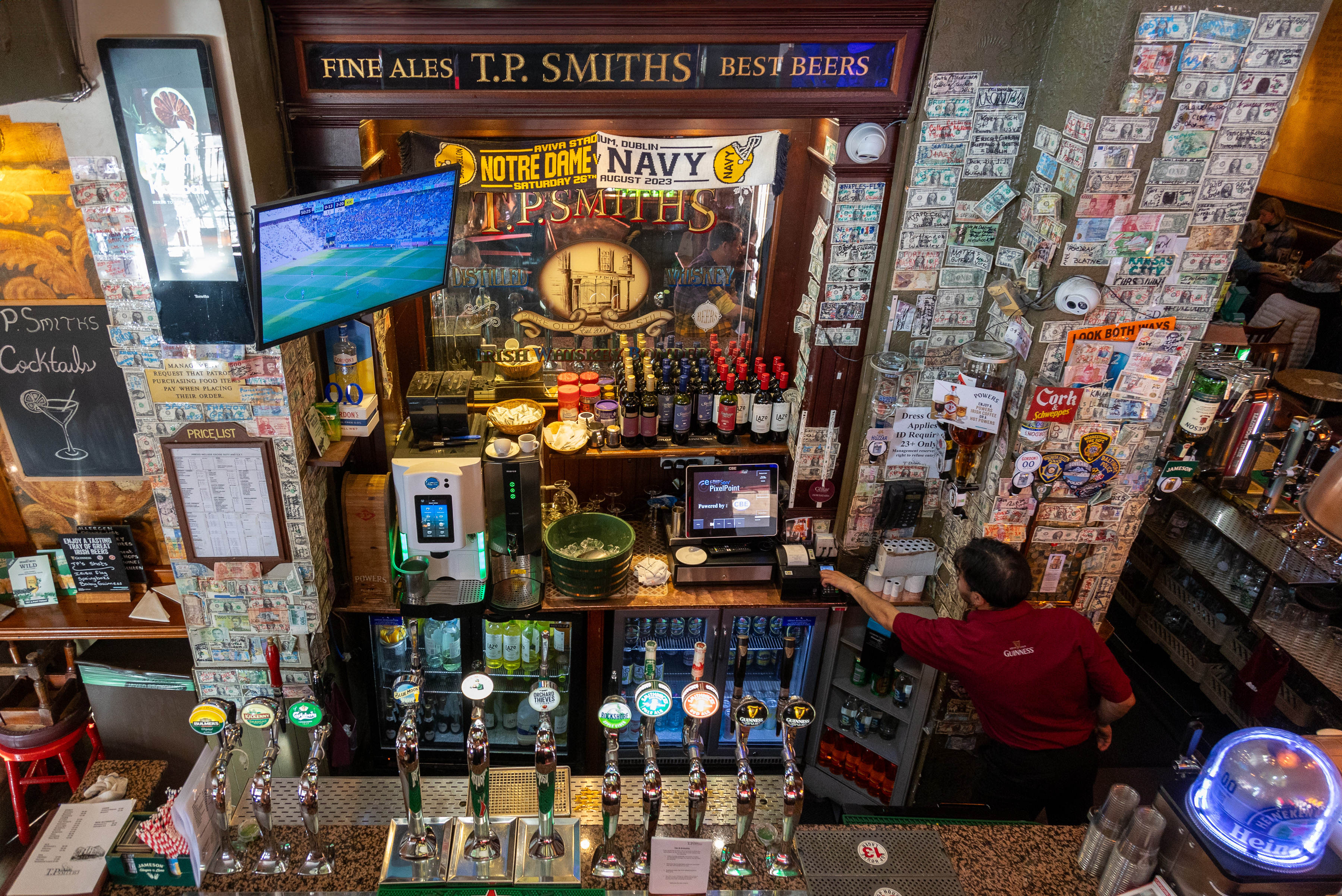
Do not tip at the bar. This is the single most useful sentence in this piece. You order, you pay, you take your pint, and the transaction is complete. Leaving a euro on the counter after a pint will not offend anybody but it marks you instantly, and in a small pub it can create a slightly awkward moment where the barman is not sure whether you have made a mistake with your change.
What you do instead, if you want to be generous in a pub, is buy the barman a drink. Say it plainly at the point of ordering: and take one for yourself. The barman will usually add the price of a half to the round and either drink it later or keep the money. This is the correct Irish mechanism for tipping behind a bar, it is centuries old, and it will get you a warmer welcome for the rest of the night than any coin left on the wood.
The round system is the other thing worth understanding, because it is the real etiquette of an Irish pub and it has nothing to do with money. If you are drinking in a group, everybody buys a round in turn, and everybody is expected to. Skipping your round is the offence. Buying two is fine. Refusing to be bought a drink is slightly rude. If you cannot keep pace, drink slowly or order a half, but stay inside the system. Americans who buy their own drinks all night are not being polite, they are opting out of the social contract, and it reads as distance rather than independence.
Taxis, Hotels, Guides And Drivers
Taxis: round up to the nearest note, or add roughly ten percent on a long airport run. A twenty-two euro fare becomes twenty-five. Nobody expects more than that and many drivers will hand back change on a round-up if you look uncertain. Hotel porters: two to three euro per bag, in cash. Housekeeping: two to five euro per night, left with a note so it is clearly intended, which matters more in Ireland than at home because staff will otherwise assume you forgot it.
Concierge: nothing for directions or a dinner booking that took two minutes, twenty to fifty euro for something that required a genuine favour, such as a table at a room that was full or a tee time that had gone. Pay that at the end of the stay rather than at the point of asking, because paying up front turns a relationship into a transaction and Irish hotel staff will read it that way.
Private drivers and tour guides are the exception where American instincts serve you well. A full day with a private driver, which is a common way to do the Ring of Kerry or a Northern Ireland day out of Belfast, warrants somewhere between thirty and fifty euro. A walking guide who gave you two good hours warrants five to ten per person. These people are running small businesses on tight margins and the tip matters more to them than to a waiter in a full dining room.
Etiquette Beyond The Money
Irish table service is warm but it is not American service, and the difference confuses visitors more than the tipping does. Nobody will introduce themselves by name or tell you the specials with enthusiasm. Nobody will check on you three times during a course. Water will not be refilled unless you ask. The bill will not arrive until you request it, and this is not neglect, it is the assumption that a table belongs to you for the evening. Asking for the bill early is the polite way to signal that you are done.
The corollary is that Irish service turns conversational quickly if you engage with it. A question about where the fish came from will frequently get you five minutes and a story. This is the part American visitors enjoy most once they stop waiting to be managed. Say hello properly when you sit down, make eye contact, and treat the person as a person rather than a function, and the evening will be substantially better than the one you would have had at home.
Two small things that read badly here. Clicking, waving or calling across a room to get attention: never. A raised hand and patience is the mechanism. And splitting a bill into eight separate cards at the end of a busy Saturday service will test the goodwill of even the most easy-going Dublin restaurant. Sort it among yourselves and hand over one or two cards.
What Surprises American Visitors Most
That nobody is upset. Almost every American we have talked to about this arrives braced for a scene: the undertipped waiter, the cold shoulder, the mistake that ruins a dinner. It does not happen. Irish hospitality staff know precisely where visitors are from and have long since made peace with the fact that tipping customs differ. If you tip ten percent, you have tipped correctly. If you tip nothing on a bad night, nobody will chase you into the street.
The second surprise is how much further money goes when the tipping baseline drops ten points. A three hundred euro dinner for two in Dublin with a thirty euro tip is a genuinely different bill from the same dinner in New York with sixty on top and tax before it. Over a week of eating well, the difference funds an extra night somewhere good.
The third and most important surprise is that generosity here is expressed in time rather than in percentage. The visitor who stays for one more drink, asks the barman what he thinks of the new stout, and remembers the name of the woman who served them the night before is treated better in Ireland than the visitor who leaves twenty-five percent and says nothing. That is not a moral point, it is just how the country works. Tip ten to fifteen, buy the barman a drink, learn a name, and you will be looked after everywhere you go.
The Card In Your Pocket
Here is the card we would keep in your pocket. Restaurants with table service, ten to fifteen percent. Service charge already on the bill, add nothing. Pub counter, nothing, but offer the barman a drink. Taxi, round up. Porter, two to three euro a bag. Housekeeping, two to five euro a night with a note. Concierge, nothing for the routine and twenty to fifty for a real favour. Private driver for the day, thirty to fifty. Walking guide, five to ten a head.
Carry cash for all of it. Ireland is close to a card-only country for retail and restaurants, and that has quietly made small tipping harder rather than easier. A hundred euro in tens and fives in the side pocket of a bag covers a week of the interactions above and removes every moment of hesitation from the trip.
Now that you know the etiquette
What we would book around the table
Service charge settled. The harder question is what to put in the diary around the meals, because the good tables in Dublin fill weeks out.
Book of Kells, Dublin Castle and St Patrick's
Dublin, half a day
The morning that earns a long lunch afterwards. Do it before the queues build at Trinity.
Check dates and availabilityThe Dublin Whiskey Story
Dublin, two hours
The tasting to book on the night you are eating late. It sets up dinner rather than replacing it.
Check dates and availabilityHowth and Malahide Private Tour
North Dublin, private car
The seafood afternoon out of the city. Howth pier at two o'clock is the best value meal I know in Dublin.
Check dates and availability
The ten Dublin restaurants we book
If you book through these links we may earn a commission, at no cost to you. It never changes what we recommend.
Questions we get asked
- How much should I tip in an Irish restaurant?
- Ten percent is normal and fifteen percent is generous for table service. Twenty percent is not expected. If a service charge is already printed on the bill, add nothing beyond rounding up.
- Do you tip in Irish pubs?
- Not at the counter. You order, pay and carry your own drink. If you want to be generous, tell the barman to take one for himself when you order. If a server brings food to your table, treat it as a restaurant and tip ten percent.
- What is service charge in Ireland?
- A charge of roughly ten to twelve and a half percent that some restaurants add, often only for groups of six or more. It must be disclosed on the menu and bill, and under Irish law tips and service charges must be distributed to staff with the policy displayed.
- Do you tip taxi drivers in Ireland?
- Round up to the nearest note, or add about ten percent on a long airport run. A twenty-two euro fare becomes twenty-five. Nothing more is expected.
- How much do you tip a hotel in Ireland?
- Two to three euro per bag for a porter, two to five euro per night for housekeeping left with a note, and nothing for routine concierge requests. Twenty to fifty euro at the end of the stay if a concierge secured something genuinely difficult.
How we checked this
Further reading from the Notebook