
Walked with caddies across four summers at Royal County Down, Portrush, Ballybunion, Lahinch, Portmarnock, and Adare
The most common question we get from American golfers coming to Ireland is not about wind, or rough, or which links to book first. It is a smaller question, asked in the car on the way to the course. What do I hand the caddie at the end. How much, in what currency, and do I say something. This piece is the answer we would give at our own kitchen table, after four summers of walking Irish links, and it is about confidence more than it is about arithmetic.
A Scene On The Eighteenth Green
Picture the end of a good round at Ballybunion. The wind has dropped. The light on the dunes has gone soft. You have just shaken your playing partners' hands and you are standing beside a man in a navy pullover who has walked eighteen holes beside you, read six greens correctly, talked you out of a driver on the eleventh, and said almost nothing on the twelfth because you were finally swinging well. He is smiling. You are smiling. And in your right hand there is a small square of folded notes that you have been rearranging inside your pocket since the fifteenth tee, because you are not entirely sure whether it is enough, or too much, or the right currency, or whether you are supposed to also say something clever.
That small square of paper is what this piece is about. Not the round. Not the golf. The thirty seconds between the last putt and the walk back to the clubhouse, when a visiting American golfer often realises that nobody has ever told them, out loud, how this exchange is supposed to work. Irish clubs are polite about tipping and vague about it in equal measure. The published caddie fee is on the website. The rest is understood between the people who live here and left off the paperwork. So the visitor arrives at the first tee with a professional in front of them and a norm behind them, and no clear number in the middle.
Why The Number Is Never Printed
The caddie fee at every serious Irish links is set by the club, taken by the caddie master, and passed to the caddie. In the Republic that fee sits somewhere between ninety and one hundred and twenty euro for a full round. In Northern Ireland it sits between eighty and one hundred pounds. You can pay that portion on the pro shop card without thinking about it, because the club is treating it as a professional rate for a professional service. That part is transparent. That part is easy.
The tip is the other conversation, and it is the one no club prints. In Irish golf convention the tip is separate, paid directly, in cash, and it is neither optional nor open-ended. An experienced caddie expects a hand-shake number on the last green in the local currency, and the club expects it to happen quietly, out of the shop's accounting, between two adults who have just spent four hours together. American golfers who default to a single card at a Florida resort often assume the pro shop bill covers everything. It does not, and the caddie will be too polite to correct you. If you walk off the eighteenth having paid only the posted fee, you have underpaid. The caddie master will remember. So will next year's tee sheet.
The Working Numbers, Republic Of Ireland
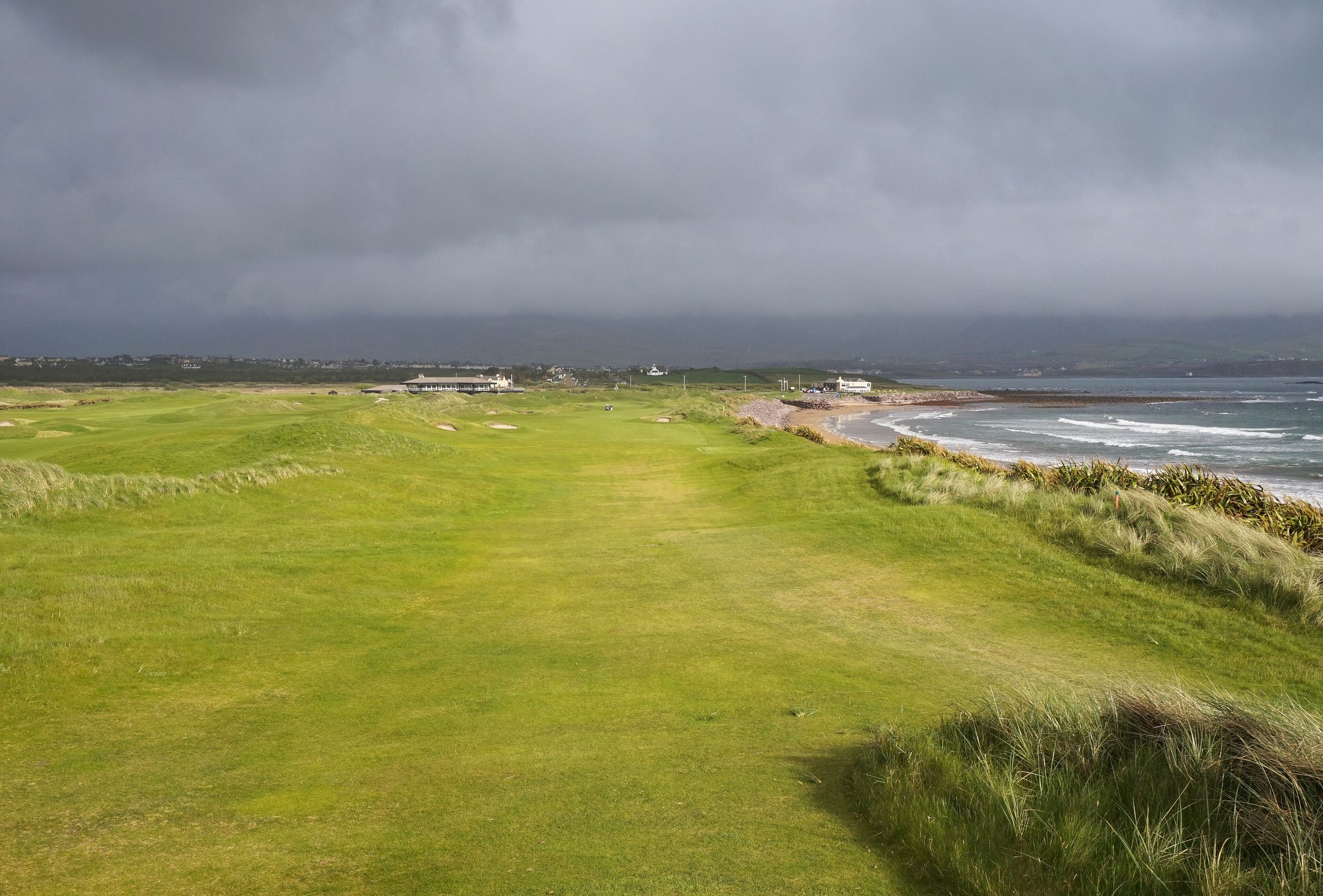
At Ballybunion, Lahinch, Waterville, Tralee and Portmarnock, our honest working number is a fifty to seventy euro tip on top of the club's posted fee, per bag. Fold it once, hand it over, thank the caddie by name. For a fourball walking with four caddies, that is around two hundred and fifty euro of tips at the end of the round, before green fees, before the shop, and before lunch. Say that number out loud in the car on the way to the course so nobody is doing the maths for the first time at the first handshake.
Adare Manor works slightly differently. The caddies there are priced and behave as resort staff rather than village caddies. They arrive at the tee already introduced to your group by the starter, usually with the yardages circled in the distance book. The convention leans toward roughly one hundred euro as the fee and fifty on top as the tip, and the professionalism is not accidental. Treat one hundred and fifty euro per bag as the base and be relaxed about it. When a caddie there reads the par three sixteenth and saves you a shot, add another fifty and mean it.
The Working Numbers, Northern Ireland
At Royal County Down, Royal Portrush, Portstewart and Ardglass, the tip is paid in sterling, because the entire day is priced in pounds. Our working range is forty to sixty pounds on top of a caddie fee that usually lands between eighty and one hundred. The absolute pound number is lower than the euro number at Ballybunion because the currency is different, not because the caddie is worth less. A fifty pound tip at Portrush is roughly the same real gesture as a sixty euro tip at Lahinch. Do not treat sterling like a discount.
Royal County Down is where we quietly recommend the higher end of that range. The Newcastle caddies who walk the Championship course tend to know the property in a way that changes rounds. A right-to-left crosswind on the ninth can cost two clubs, and a local read on the fourth green is often the difference between a card that finishes and a card that does not. If a caddie there turns a likely bogey into a par on a hole you had no business scoring on, seventy or eighty pounds in the hand is the right thank you. It is one round of drinks in the clubhouse for you, and it is the reason that caddie stays home on Christmas Day telling the story.
Etiquette From The First Tee To The Last Handshake
The tipping question is really the last version of a longer question, which is how to behave around an Irish caddie for four hours without feeling self conscious. So a few notes on that. Introduce yourself on the first tee by first name, not by handicap. Shake hands then, not at the end. Say where you have played before, briefly and honestly, including the round last month you would rather forget. A good caddie is quietly deciding by the third hole how much information you actually want, and an early honest sentence saves a lot of guessing.
Follow the reads. This is the part American golfers most often get wrong. If you asked for a caddie, take the line. Missing a putt on a line the caddie gave you is fine. Missing a putt on your own line, on a course you have never seen, after the caddie has told you otherwise, is the interaction that quietly ends the relationship for the rest of the day. If you disagree, ask a question rather than override. Something as small as, is it really that much, will usually get you a second sentence that changes your mind.
Conversation is welcome and not required. The best Irish caddies say very little because every sentence has a purpose, and the round finds its own rhythm somewhere around the fifth hole. You do not need to fill the silences. You do not need to explain your swing. If you like the caddie by the turn, buy them a bottle of water or a sandwich at the halfway hut. It is a small thing that reads correctly. At the end, a pint in the clubhouse is generous where the club allows it, and the caddie will let you know quickly whether that is customary at this particular course. Cash still goes in the hand on the green. The pint is separate.
What Irish Caddies Actually Appreciate
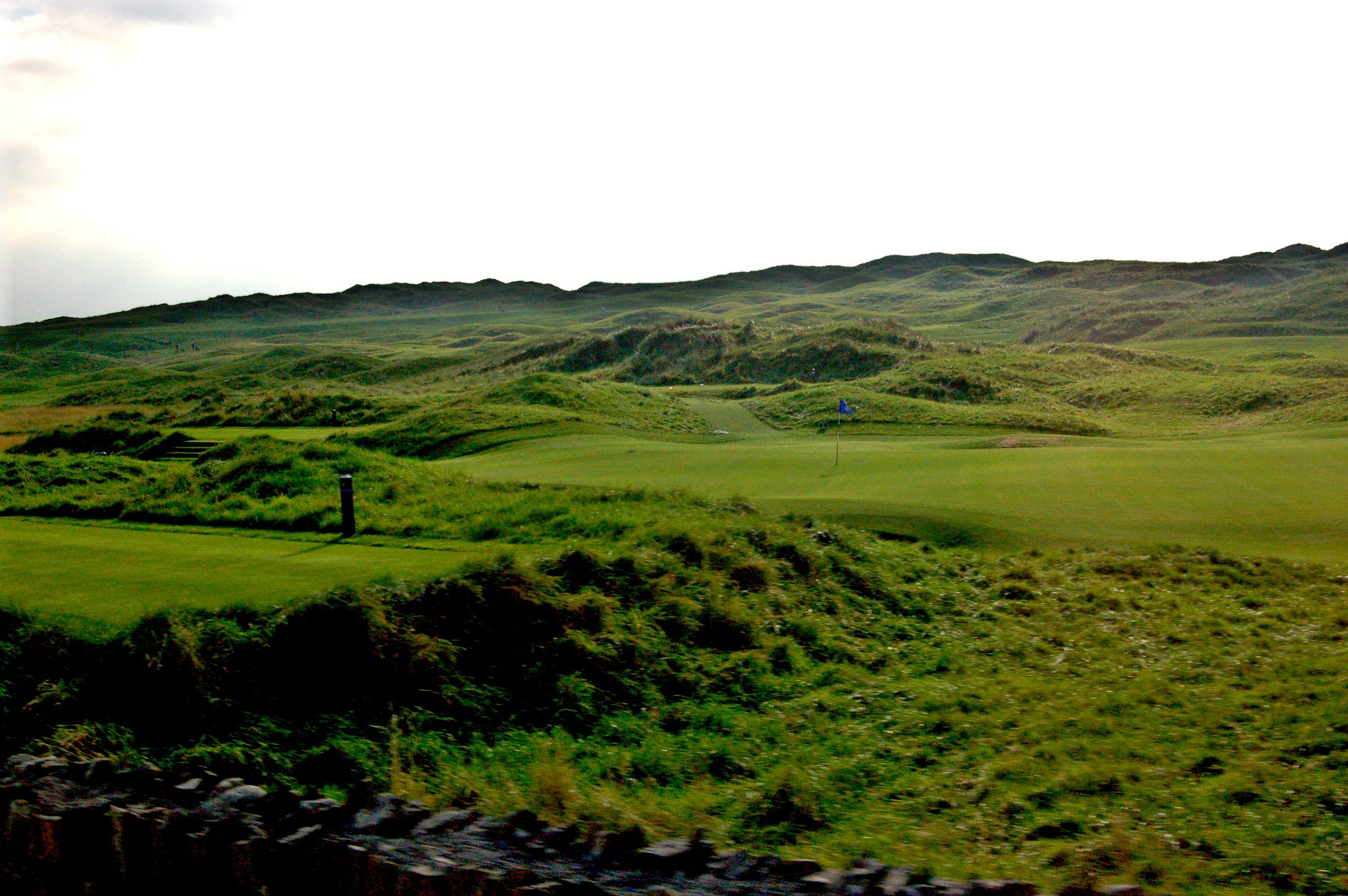
Americans are, in our observation, well liked on Irish caddie sheets. The reason is straightforward. American visitors tend to appreciate the round in front of them, thank the caddie for the walk regardless of the score, and treat the course as the point of the day rather than the backdrop. That gets remembered. What is less well liked, uniformly, is the visitor who arrives already knowing everything about links golf from a magazine, and spends the round narrating rather than listening. The caddie will be pleasant about it and will read your putts anyway. But the relationship will not deepen, and the fourth hour will feel like the second.
The relationships that do deepen tend to look the same. A short honest introduction on the first. A willingness to be wrong about the wind. A quiet moment on the walk between the ninth green and the tenth tee to ask something real about the club or the coastline. A thank you at the end that sounds like it belongs to a person rather than a transaction. Experienced caddies remember the sincere thank you longer than the amount itself. The tip is expected and appreciated. The way it is handed over is what gets talked about in the caddie shed the next morning.
The other quiet observation is that a good Irish caddie does not want to be treated as a servant, and does not want to be treated as a friend of ten years. Somewhere between the two, closer to a colleague you happen to be spending an afternoon with, is the register that works. Ask their name at the first. Use it on the eighteenth. That alone puts you ahead of most groups they will walk with this summer.
Forecaddies, Shared Bags, And The Days You Walk Alone
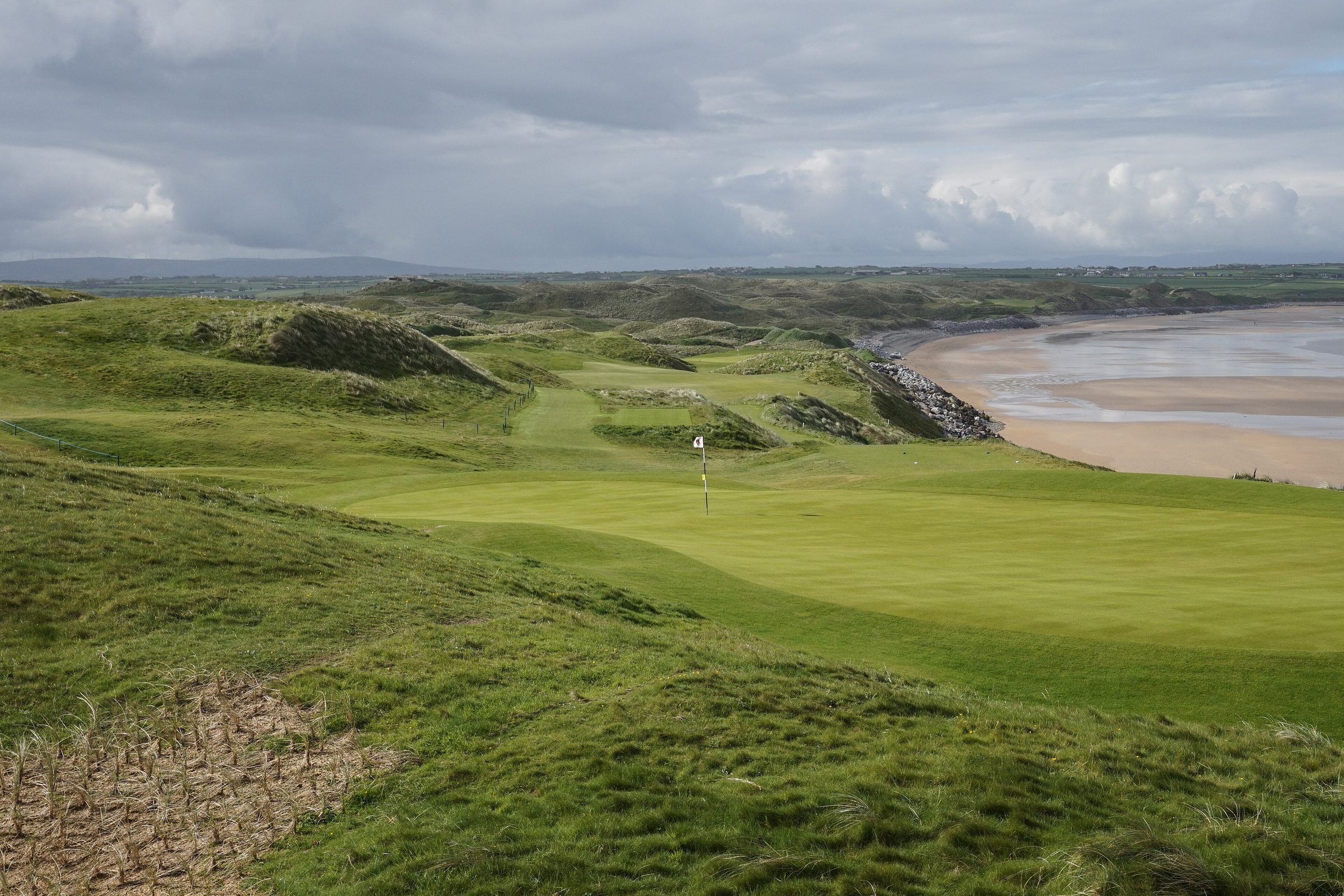
Not every round in Ireland is a full caddie round. Second loops at parkland clubs, quieter mornings at members' courses, and shorter days at resorts are perfectly walkable with a push trolley and a decent course guide. When you are not taking a caddie, the small courtesy is a twenty euro note handed to the caddie master at check in, whether or not you use the shed that morning. It is not required. It is remembered, and it is often the reason a walk-in caddie appears when you need one the following day.
A forecaddie working the whole group is a different job to a personal caddie. The pace is faster, the reads are shared, and the number is smaller. Somewhere around forty euro per player, cash, at the end, tends to feel honest for a forecaddie who has done the job well. A shared caddie, where one person carries and reads for two golfers, is doing more work, not less, and the tip should reflect that. Add roughly twenty on top of what a single bag would have earned. These are the edges of the system, and they are worth thinking about before the first tee rather than at the last green.
Practices vary between clubs, quietly, in ways that are not always documented on a website. Some clubs prefer the fee to run through the tee time card. Others prefer the caddie master to handle both fee and tip. If you are unsure at a specific course, ask the caddie master when you arrive at the shop that morning. It is a one sentence question, and it saves the awkwardness on the eighteenth. The answer is almost always some version of, fee here, tip to the caddie at the end. But asking it once is the mark of a golfer who has been told, not guessed. Before fixing your budget, read the club-specific terms in our Royal County Down green fees and booking guide, our Lahinch green fees and caddie guide or our Ballybunion visitor booking guide. Those pages separate the club's published charges from our discretionary tipping judgement; the club's current confirmation should always take precedence.
What We Do Ourselves, And Why
Our own working rule across a four course Ireland trip is roughly sixty euro per bag in the Republic and fifty pounds per bag in Northern Ireland, on top of the posted fee, in cash, on the last green, with an extra fifty folded in a separate pocket for the caddie who does something the round actually needed. Across a full week, that lands somewhere around a thousand euro in tips through the Republic and four hundred pounds through the North. It is not the cheapest way to play Ireland. It is the way our caddies remember our names the following summer, and the way a starter at a difficult course finds a good bag for us when the sheet is otherwise full.
The number matters. What matters more is who is on the other end of it. Many of the rounds we still talk about years later are not remembered for the score. They are remembered for the person who walked them with us. The caddie at Royal County Down who took the driver out of a nervous hand on the fourth. The caddie at Ballybunion who stopped for a moment on the walk down the seventeenth to say, quietly, that his father had caddied this same hole for forty years. The caddie at Lahinch who read a putt from behind the hole without moving, and was already turning away when it dropped, because he had known before we did that it was in.
Those are the caddies you tip generously. Not because it is expected. Because at the end of the trip, when the clubs are back in the travel bag and the flight home is quiet, the caddie is often the person you are still thinking about. Handing over the folded note on the eighteenth is the small chance to say thank you for that. Do it warmly. Do it without a speech. And come back next summer. And if you are still choosing which links to walk, start with our luxury Ireland golf trip guide; when the round you are picturing ends in a castle dining room, the golf resorts we would book are the ones where the caddie and the clubhouse feel like the same family.
Now that you know how it works
If you are actually going to play
You now know what the caddie expects. These are the three rounds we would build an Irish golf week around, and the chapter that explains how to get on each.
Ballybunion
North Kerry, Atlantic Coast
The caddies here are the best value in Irish golf. Take one on the Old Course even if you never do at home.
Lahinch
County Clare, Wild Atlantic Way
A shorter walk, a friendlier links, and the town is a two minute stroll from the eighteenth.
Royal County Down
Newcastle, County Down
The hardest tee time to get and the one worth planning the trip around. Start the booking early.
We have played these courses and we live here. There is no fee for the planning and nothing to sign.
Questions we get asked
- How much should I tip a caddie in Ireland?
- The working range is fifty to seventy euro per bag in the Republic and forty to sixty pounds in Northern Ireland, on top of the club's posted caddie fee. Add another fifty when the caddie reads a course you would have otherwise misread, or when the weather turns and they stay generous with it.
- Is the caddie fee separate from the tip?
- Yes. The fee is what the club charges and passes through to the caddie. The tip is yours to hand over at the eighteenth, in cash, folded, without ceremony.
- Do I tip in euro or pounds?
- Tip in the currency of the club. Euro at Ballybunion, Lahinch, Waterville, Tralee and Adare. Pounds sterling at Royal County Down, Royal Portrush, Portstewart and Ardglass. Bring both if your trip crosses the border.
- Should I tip more for a forecaddie or shared caddie?
- A forecaddie working the group is usually forty euro per player. A shared caddie carrying and reading for two golfers is doing more work than one bag, so add roughly twenty on top of what a single bag would have paid.
- What if the caddie was poor?
- Rare, but it happens. Pay the club fee, add a modest twenty or thirty, and mention it quietly to the caddie master afterwards. Clubs want to know.
How we checked this
Further reading from the Notebook
- How to play Royal County Down
- How to book a tee time at Royal County Down
- Royal County Down: the collection
- What the non-golfer does while you play
- The seven-day Ireland golf route
- Renting golf clubs in Ireland
- The dress code at Irish golf clubs
- Which Irish courses require a handicap
- Shipping your golf clubs to Ireland
- Rosapenna golf: the St Patrick's Links collection
- Rosapenna green fees and booking
- Lahinch for the non-golfer
- Ballybunion for the non-golfer
- The Ireland Edit Golf Collection