
Booked in four different Marches for four different summers, most recently for June 2026
Lahinch does not feel, on the drive in, like a club that is going to be complicated to book. You come off the N67 into a village of two streets, you park within a wedge of the first tee, and the whole thing looks like a course that would take a phone call and a firm handshake and put you out at ten past nine. It is worth saying out loud that this impression is wrong. Lahinch is the most-visited championship links in Ireland, its Old Course sits inside every American golf itinerary that also includes Ballybunion, and its visitor tee sheet in June and July is the tightest in the country outside a major Open venue. The club has moved almost all of its visitor booking onto a well-run online system, it takes deposits in euro at the point of booking, and it releases its calendar in a rhythm that has more in common with a good restaurant than with a British Isles members' club. The village frame is real. The scarcity is real too. Both things need to sit in your head at the same time.
The Village Course That Is Not A Village Booking
The thing that catches first-time visitors out at Lahinch is that the atmosphere of the town, the goats near the clubhouse, and the seafood chowder up the road all suggest that a tee time is going to be a casual thing to arrange. It is not. The club's own visitor policy is precise about which days visitors play, at what times, and against which deposit, and the online booking page will show you the whole picture in a grid rather than in a letter. You are not calling in a favour. You are picking a slot from a live sheet, in real time, against other visiting fourballs doing the same thing from Boston and Charlotte on their lunch breaks.
The way we hold this in our heads is that Lahinch is a members' club that has taught itself to run a visitor operation the way a hotel runs a restaurant. There is a walk-in table, in theory, on a quiet Tuesday in April when a fourball has cancelled. In practice, the June and July mornings that every visiting fourball wants are booked out months in advance by people who understood the calendar. The village will be there when you arrive. The tee time will not. A note on accuracy: visitor windows, deposit rules, and second-course policy at Lahinch move between seasons. Confirm the current terms directly with the club before you commit to non-refundable travel.
The Old Course, The Castle Course, And What You Are Actually Booking
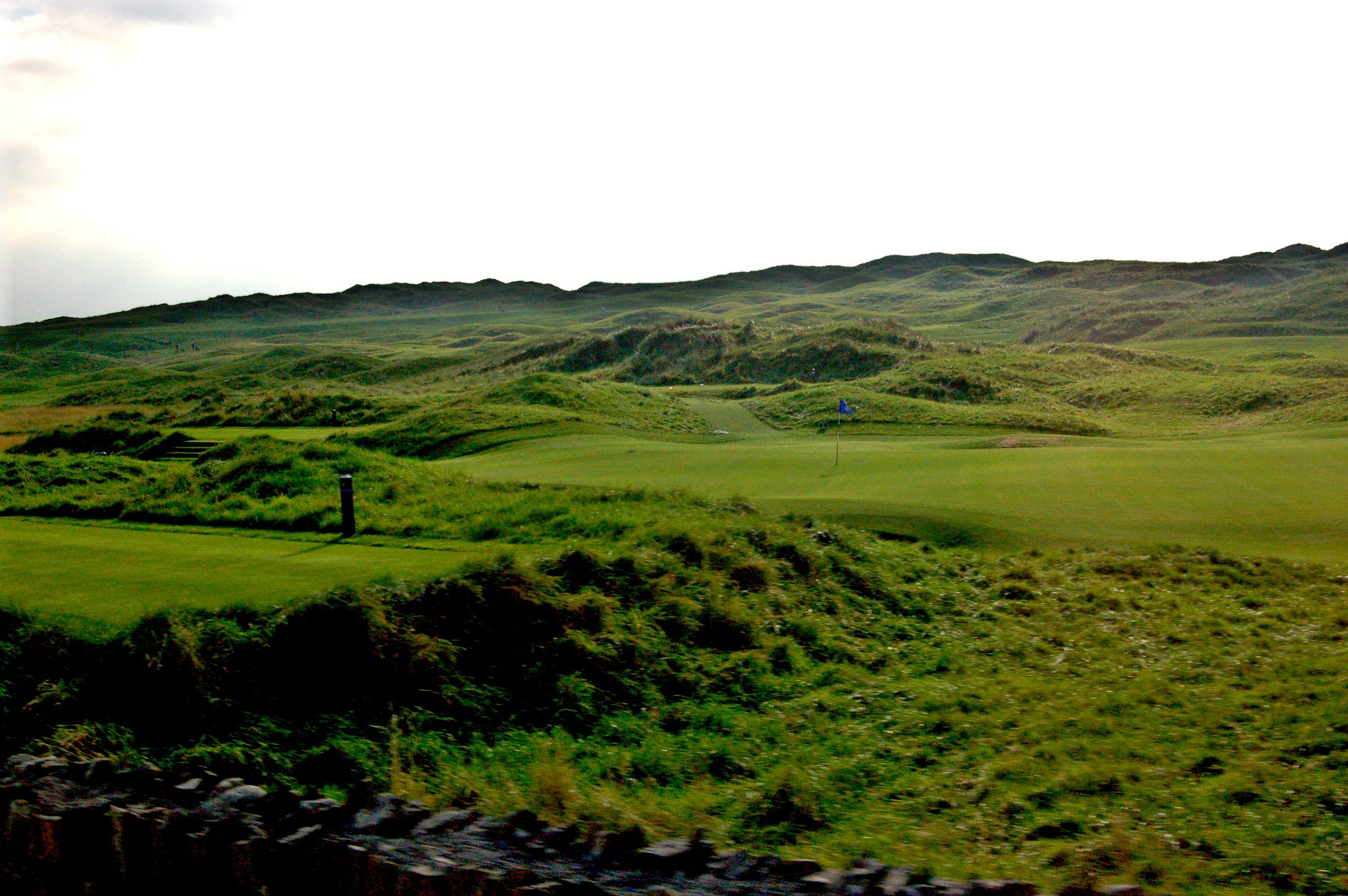
Lahinch runs two eighteen-hole courses. The Old Course, laid out originally by Old Tom Morris and reworked by Alister MacKenzie, is the one every visitor comes for, and it is the one the club's online booking page defaults you toward. The second course, the Castle, is a shorter parkland-and-links loop that the members play in the evenings and that the club sells as a same-day companion round for visitors who want thirty-six holes in a day. When you open the booking page, both sheets are visible side by side. Read which one you are clicking into. Every summer, a visiting fourball arrives at the first tee of the Castle Course convinced they are about to play the Klondyke.
The Old is the round to book. Take a mid-morning slot around ten and add the Castle onto the same afternoon only if the group is still walking well after eighteen holes on the Wild Atlantic Way. Two rounds in a day here is a lot of golf and a lot of wind. Treat the Castle as an option, not a plan. Before you settle the group's cash budget, read our guide to tipping a caddie in Ireland. It explains what we would add beyond the posted fee, not a mandatory Lahinch charge; confirm the club's current fee and payment arrangements separately.
The Published Numbers, Exactly As The Club Prints Them
Lahinch is unusual among the marquee Irish links in that it publishes the visitor green fee openly rather than hiding it behind an enquiry form. For the season running 27 April 2026 to 16 October 2026 the club lists the Old Course at 450 euro, Monday to Sunday, and the Castle Course at 60 euro on the same sheet. There is no weekday discount and no twilight band in that table. A visiting fourball is therefore looking at 1,800 euro in green fees on the Old Course before a single caddie or club-hire set is added. Rates for 2027 are not published yet, so treat 2026 as the planning figure and re-check the club's green fee page before you budget a 2027 trip as fixed.
The caddie is not optional and this is the line Americans most often miss. The club states that visitors playing the Old Course are required to take at least one caddie in the group, and that it will automatically reserve a caddie for each golfer unless you tell it otherwise. Published caddie fees are 100 euro for a senior caddie carrying one bag, 160 euro for a double bag, and 40 euro per golfer for a forecaddie with a minimum of three golfers. Gratuity sits on top of that and is yours to judge. If you want one forecaddie rather than four individual caddies, say so in writing at the point of booking, because silence means four caddies are reserved for you.
There are no buggies. Both the Old and the Castle are walking courses and the club says ride-on carts are unavailable, which is a genuine planning constraint for a group with a bad knee or a recent hip. What the club does offer is pull carts at 5 euro each and a limited number of battery-operated trolleys at 30 euro each, with pre-booking described as essential. Rental clubs from the golf shop are 75 euro per set, Taylormade and Titleist, replaced annually, which is a sane alternative to flying your own sticks across the Atlantic for a single round.
When The Sheet Opens, And What A Sensible Window Looks Like
Lahinch releases its visitor tee sheet on a rolling calendar that sits roughly twelve months ahead of play. In practice, if you want a June morning next year, the sheet you need is already open now, and the mornings in the ten-to-eleven band are already thinning. The club does not run a dramatic ballot day, and it does not send an email announcement the way Portrush does. It quietly extends the calendar forward month by month, and the visitor tee times fill in a steady drip from twelve months out down to the last four weeks, at which point the sheet closes and whatever is left is what the pro shop will offer to a walk-in fourball on a wet Wednesday.
The sensible booking window, from the point of view of a visitor planning a trip nine to twelve months out, is a Tuesday, Wednesday, or Thursday morning in June or September. Those are the months when the course is at its firmest, the light is at its longest, and the sheet is still workable if you are looking three seasons ahead. July and August will get you on, but they will get you on with an afternoon slot, a crosswind that has stiffened since lunch, and a pace of play that has slipped a little because the sheet is running at capacity. If your trip is fixed for August, book earlier, not later. If your trip is flexible, move it into June.
Deposits, Euro, And The Small Print That Matters
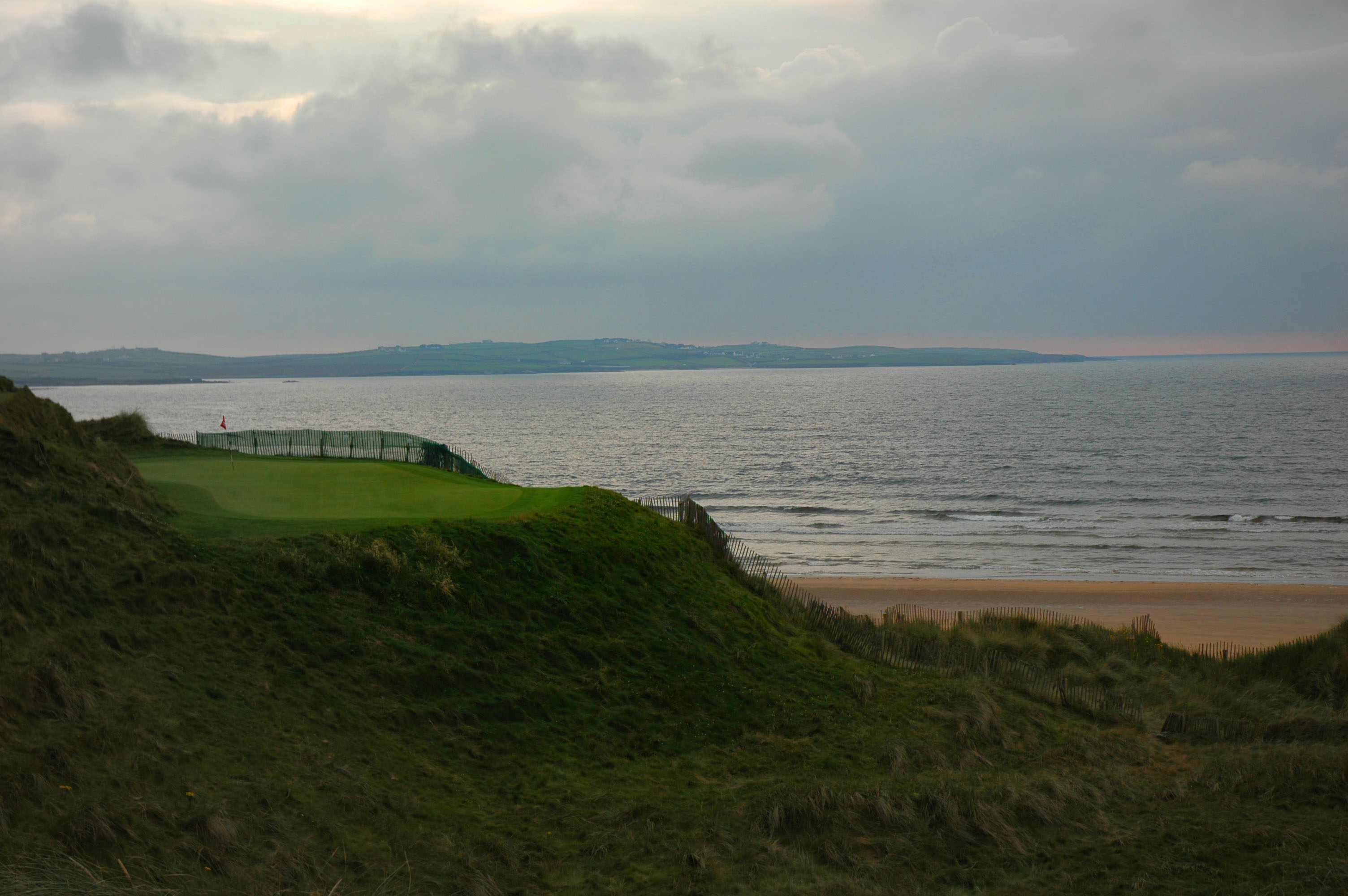
The Old Course visitor green fee is published openly on the club's green fee page rather than gated behind an enquiry form, which makes Lahinch easier to budget than most of its peers. At the 2026 rate of 450 euro a fourball's green fees alone are a serious line in a trip budget before you add the compulsory caddie, the Castle Course, and whatever the pro shop takes from you on the way out. The deposit at the point of booking is in euro, not in sterling, which is the small difference that separates a Lahinch booking from a Portrush booking on your credit-card statement. You are buying a round in the same currency as your hotel and your dinner. Your bank should not be taking a foreign-currency margin on it if the card is a good one.
The cancellation rule is the practical one to read carefully. Lahinch's terms allow a rebooking for a weather closure, which happens on the Clare coast in April and October more often than a first-time visitor expects, and they hold the deposit against the round rather than refund it for a change of plan. What that means is that the tee-time card should not clear until the accommodation is held. Book the room in Lahinch village or the room at Trump International Doonbeg first. Confirm the flights into Shannon second. Release the tee-time deposit third. That order is the one that has kept our own trips from turning into a lost deposit on a cancelled June morning.
When A Concierge Or A Specialist Agent Earns Their Fee
The truthful answer at Lahinch is that a hotel concierge is more useful here than at Portrush and less critical than at Royal County Down, and the reason is the density of the sheet. Because the online system is straightforward and the calendar sits twelve months out, a well-organised American fourball nine months ahead of the trip does not need a broker. Where a concierge or a specialist agent does earn their fee is at the tighter end of the calendar, inside four months, when the online grid for the mornings you want is showing only afternoon slots and the pro shop's public inbox is answering slowly.
The Trump International Doonbeg concierge team, thirty minutes south of Lahinch, is the one we lean on for this. They hold enough weight with the Lahinch pro shop, and they see enough traffic through Doonbeg's own tee sheet, to occasionally lift a returned Old Course slot onto an existing guest's name in the two weeks before arrival. The other case that is worth paying a specialist for is a party of eight or twelve. The Lahinch online system does not seat consecutive fourballs cleanly, and an agent who books Ireland every week for overseas groups can broker two or three fourballs off a single morning in a way that four cards refreshing simultaneously cannot. Below eight golfers and outside four months, the laptop and the calendar are all you need.
Where To Sleep, And Why It Changes The Round
The two decisions you have on accommodation around Lahinch are close and small, or a short drive and full-scale. The close-and-small option is a room in Lahinch village itself, either at Vaughan Lodge in the middle of the village or in one of the boutique guesthouses within a five-minute walk of the first tee. This is the way the members and the Irish golf regulars stay, and it puts you inside the town for the seafood dinner, the second pint after the round, and the walk to the beach the following morning. It is also honest about what Lahinch is, which is a village golf club, not a resort.
The short-drive-and-full-scale option is Trump International Doonbeg, thirty minutes south along the coast, where the rooms are hotel-scale, the second course sits inside the property, and the driving range is available in a way it is not in the village. We have played Lahinch out of both bases, and the answer is not universal. If the trip is two rounds at Lahinch and a rest day, sleep in the village. If the trip is one round at Lahinch, one at Doonbeg, and a third somewhere further south, sleep at Doonbeg and drive up. If the trip is a full southwest arc that ends at Ballybunion and Waterville, hold two nights at Doonbeg and two nights at Ballybunion rather than making one base do the whole week.
The Week We Would Build Around The Round
The mistake we see American visitors make with Lahinch is to fly the round in as a day trip from a base in Ennis or Galway. It is technically possible. You will lose the light on the way home and you will lose the reason you came, which is a village dinner and a wet-fleece pint after eighteen holes on a course that belongs to its town. Give Lahinch three nights minimum. Book the Old Course on the morning of day two, walk the Cliffs of Moher on the shoulder morning of day three, and add either a second round on the Castle Course or a drive south to Doonbeg on day four before the trip moves further into Kerry.
The village is the arithmetic. Lahinch dresses its booking process in a casual coastal frame, but the sheet underneath is tight, currency-specific, and unforgiving of the visitor who arrives assuming a walk-on. Open the visitor page nine to twelve months ahead. Book the Old, not the Castle. Hold the room in the village or at Doonbeg before the deposit clears. Add the caddie at the booking. Do that, and the round arrives in the same key the town does: unhurried on the outside, exact underneath, and yours for the morning.
Book this round
The round and the room
One
The club's visitor sheet
Lahinch takes visitor bookings directly and holds club times around them. Name a window rather than a minute.
Open the tee sheetTwo
The room we book around it
The village fills in summer. Dromoland is the room we book when we want the round to feel unhurried.
Check Dromoland Castle
Building the week around it? Start with the golf trip planner.
Where to stay for this round
The rooms that make the round possible
Lahinch takes visitor bookings openly, but the trip only works if the room is right. Book this list.
Co. Clare
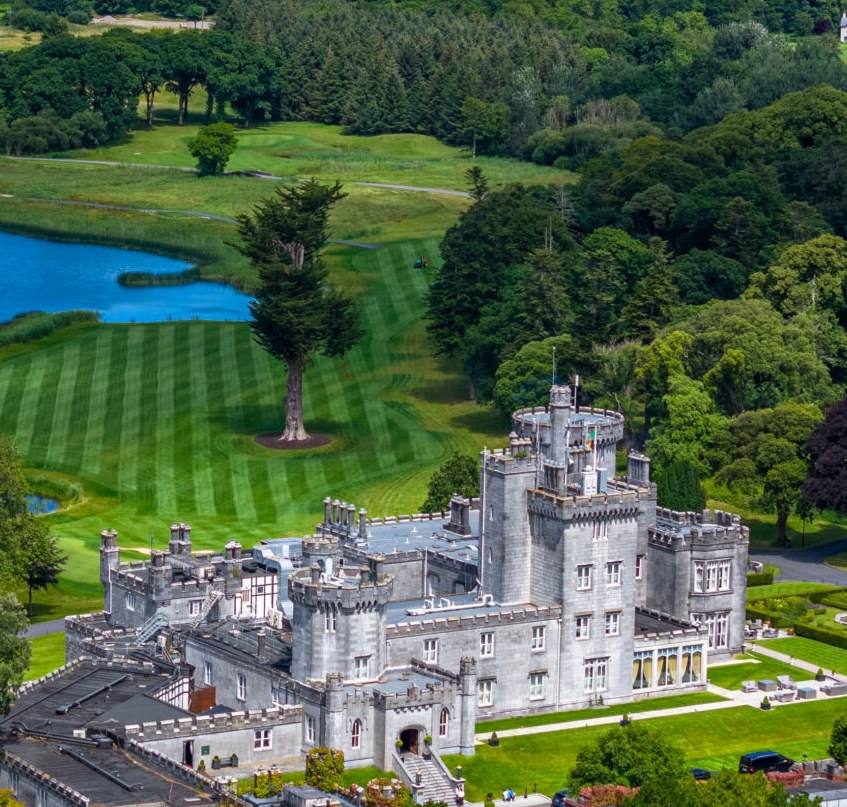
Dromoland Castle
15 minutes from Shannon. Ideal first night. The warmth here is legendary.
Ballyvaughan, Co. Clare
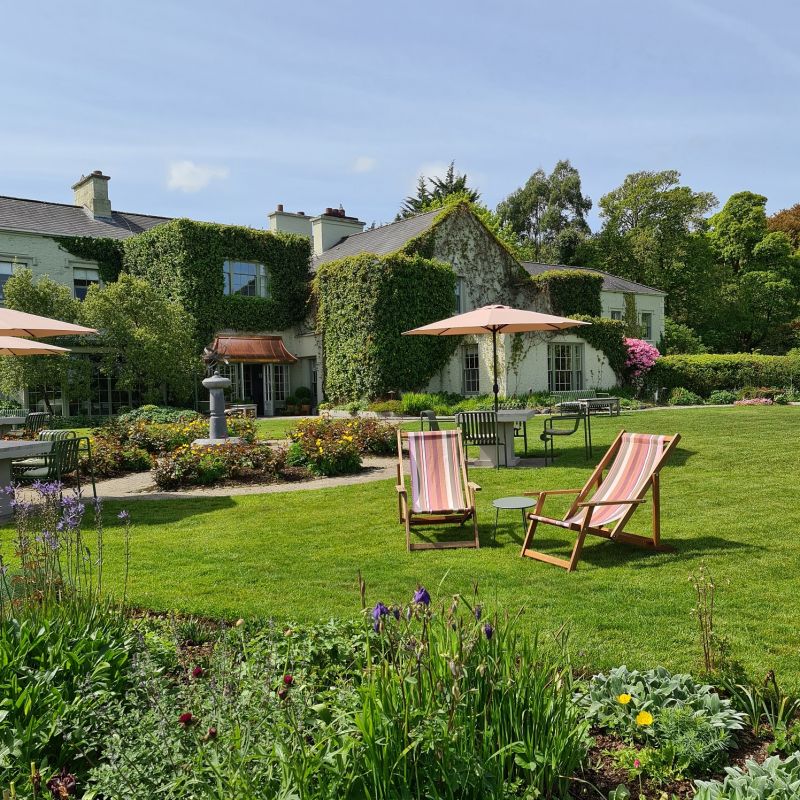
Gregans Castle Hotel
A boutique country house in the heart of the Burren with views across Galway Bay.
Co. Limerick
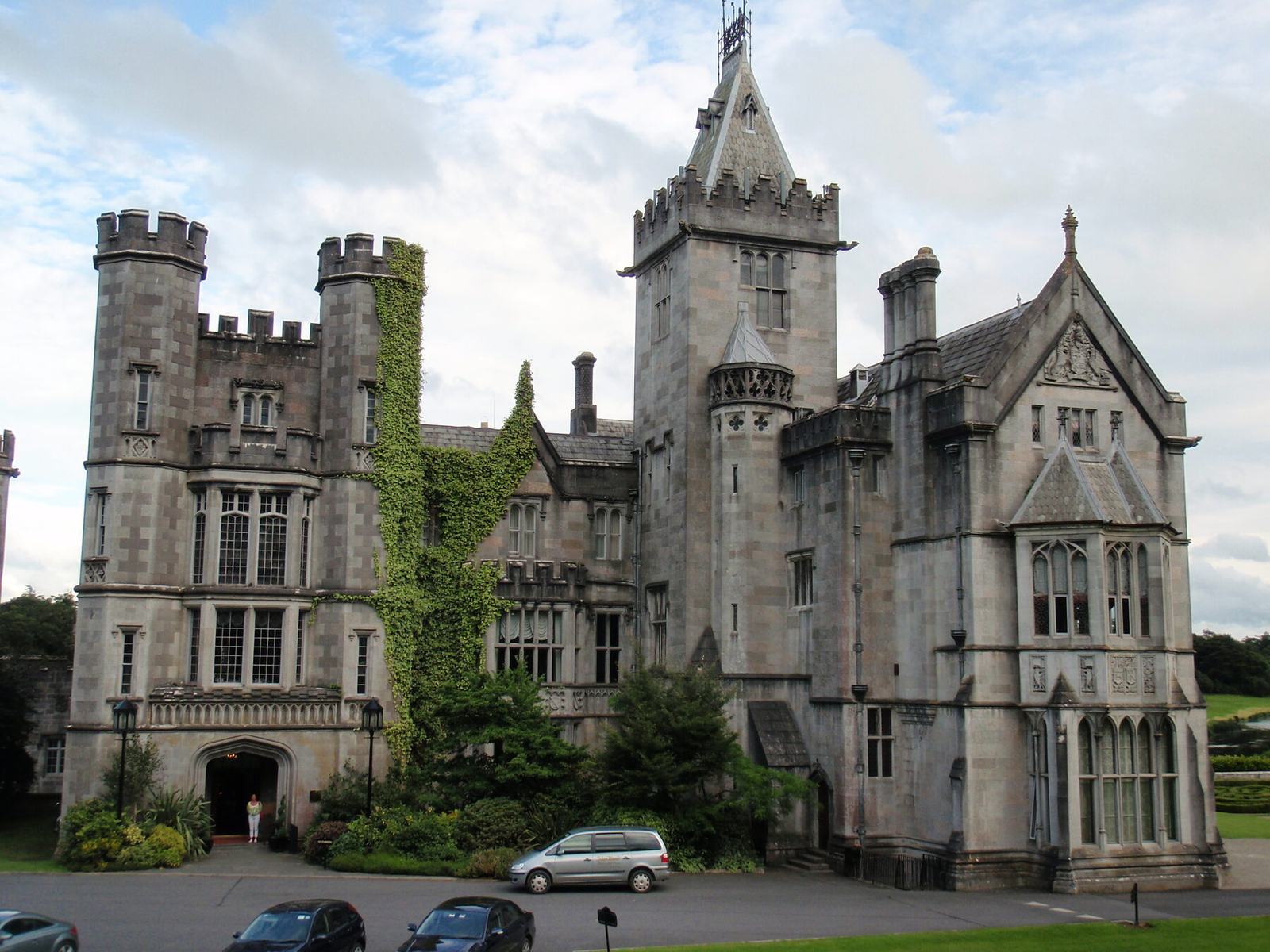
Adare Manor
The most complete luxury estate in Ireland. Tom Fazio golf, La Mer spa, and the Oak Room.

Booking through these links supports the Notebook at no cost to you.
Questions we get asked
- What are the Lahinch golf green fees for 2027?
- Lahinch has not published 2027 green fees yet. The club's published 2026 rate is 450 euro on the Old Course and 60 euro on the Castle Course, for the season 27 April to 16 October 2026. We update this page when the club prints its 2027 figure.
- How much are green fees at Lahinch Golf Club?
- For the 2026 season, running 27 April to 16 October, Lahinch publishes the Old Course visitor green fee at 450 euro and the Castle Course at 60 euro, Monday to Sunday. The club has not yet published 2027 rates, so confirm on its green fee page before fixing a 2027 budget.
- Is a caddie compulsory at Lahinch?
- Yes, in part. The club requires visitors playing the Old Course to take at least one caddie in the group, and it reserves a caddie for every golfer automatically unless you instruct otherwise. Published fees are 100 euro for a senior caddie with one bag, 160 euro for a double bag, and 40 euro per golfer for a forecaddie with a minimum of three golfers.
- Can you take a buggy at Lahinch?
- No. The club states that both the Old and Castle courses are walking courses and ride-on buggies are not available. Pull carts are 5 euro and a limited number of battery-operated trolleys are 30 euro, with pre-booking essential.
- Can you hire clubs at Lahinch?
- Yes. Taylormade and Titleist sets are available from the golf shop at 75 euro per set, and the club says the rental sets are current models updated annually.
- How far in advance should I book Lahinch?
- Six to nine months for a summer morning. Lahinch is more available than Portrush or County Down, but the eight to ten o'clock window in June and July still goes early.
- Does Lahinch require a handicap certificate?
- The club asks visitors to hold a recognised handicap and applies limits at busier times. Bring your record. In our experience it is asked for at the desk more often here than at some larger clubs.
- Is Lahinch cheaper than the other big links?
- Yes, noticeably, and it is one of the best value rounds in premium Irish golf. Check the club's current published fee, since the summer and shoulder rates differ meaningfully.
- Can I walk on at Lahinch?
- Occasionally in the shoulder season, if you call the morning of and are willing to take whatever is open. Do not plan a trip around it, but it is worth a phone call on a quiet Tuesday in April.
- Should I book a caddie when I book the tee time?
- Yes. Caddies at Lahinch are limited and are allocated in the order requests come in. Asking on the morning of the round is how people end up walking blind holes on their own.
How we checked this
Further reading from the Notebook