
A note from Deborah. Read her editorial perspective
Most of you are descended from people who were trying very hard to leave. The country you are coming back to has spent a hundred and seventy years trying to stop being the place they ran from. We say this gently, because we have watched a lot of American friends fly in expecting some version of homecoming and land instead in a country that is polite, modern, busy, and quietly unaware of the family story they have been carrying since childhood. The heritage is real. The continuity is not. We want to set that down properly, because once you understand the gap, the trip you build around it is a far better trip than the one you were going to build.
The Country They Left Does Not Exist Anymore
The arithmetic is the first thing to absorb. There are around five million people living in Ireland today. There are roughly thirty-two million Americans who describe themselves as Irish. The diaspora is six times larger than the country it remembers. That ratio shapes everything about what you are walking into, and almost nobody mentions it to you before you fly.
Most American families with Irish ancestry are descended from people who left between 1845 and the early 1900s, in two long waves: the Famine years and the long economic exodus that followed for the rest of the century. The Ireland they left was rural, Irish-speaking in large parts of the west, and so poor in places that emigration was not a choice but a survival plan written by parents for children. That country is gone. The Ireland we live in now is urban, English-speaking with Irish as a cherished second language, EU-anchored, technology-heavy, and visibly prosperous in a way that would astonish a great-great-grandparent. When you arrive looking for the country in the family photographs, you will not find it, because the family photographs are of a country that ended.
Why The Genealogy Day Is The Wrong Anchor
We have watched this play out enough times to be confident about the rule. If the ancestral village visit is the first thing you do, it is almost always the worst day of the trip. You arrive jet-lagged, you drive two hours to a parish you have only seen on a census record, you stand in a graveyard for forty minutes, and you feel obscurely flat about it. The day was supposed to mean something, and instead it just felt small. You then carry that flatness through the rest of the week.
If you save the same visit for day three or day four, after you have been in the country long enough for your body to know what the light is like and what the rain sounds like and how the road bends near the sea, the same graveyard does something completely different. You have context. You have walked a coastline that looks like the coastline they walked away from. You have eaten in a kitchen that still runs on the rhythms their kitchen ran on. The parish stone is no longer the whole point of the trip; it is the moment the trip earns its weight. The order matters more than the destination.
Where The Heritage Actually Lives
The thing you came for is almost never in the parish record. It is in the landscape, in the manners, and in the small habits of the kitchen and the pub. The Atlantic coastline from west Cork up through Kerry, Clare, Connemara, Mayo, and into Donegal is the landscape that emptied. Most of the families who left came down off those hills and out of those bays and onto the boats. If you want to feel what your people felt, walk that coast slowly. Take three days on it, not three hours. The light, the wind, the way a stone wall holds a hillside together: this is the inheritance, and it has not changed.
The other place the heritage lives is in the room. The Irish kitchen still runs on the assumption that a guest is fed first and questioned later. The Irish pub still rewards the person who sits at the bar and waits, rather than the one who walks in performing. The wake, the funeral, the willingness to talk about death across the supper table: these are the actual Irish habits your family carried with them to Boston and Chicago and South Boston, and they are still here, intact, in the rooms we eat and drink and grieve in. You will recognise them before you can name them.
What To Do With A Parish Name
A parish name is the one piece of genealogy data that is actually useful on the ground, and most Americans we know either have one or can get one in an afternoon of family phone calls before they fly. Bring it. Do not bring the DNA test, the printed family tree, or the certificate from the ancestry company; those are home objects, not travel objects. The parish name is enough.
On day three or four of the trip, drive to the parish. Go to the local church, the local pub, and the local graveyard, in that order, and give yourself no more than four hours. The church will sometimes have a baptismal register a kind sacristan will help you read; sometimes it will not, and that is fine. The pub will know who in the village still carries your surname, and the conversation that follows is the thing you actually came for. The graveyard is the last stop, not the first, because by then you are not a tourist with a list; you are a guest with a story, and the headstones read very differently when you arrive in that order. We have written the tactical version of this day, the four things to do before you fly and the shape the day should take when you get there, in the companion to this essay: read What To Actually Do With That Parish Name and use the two essays as a pair.
What Irish People Actually Think When You Say I Am Irish
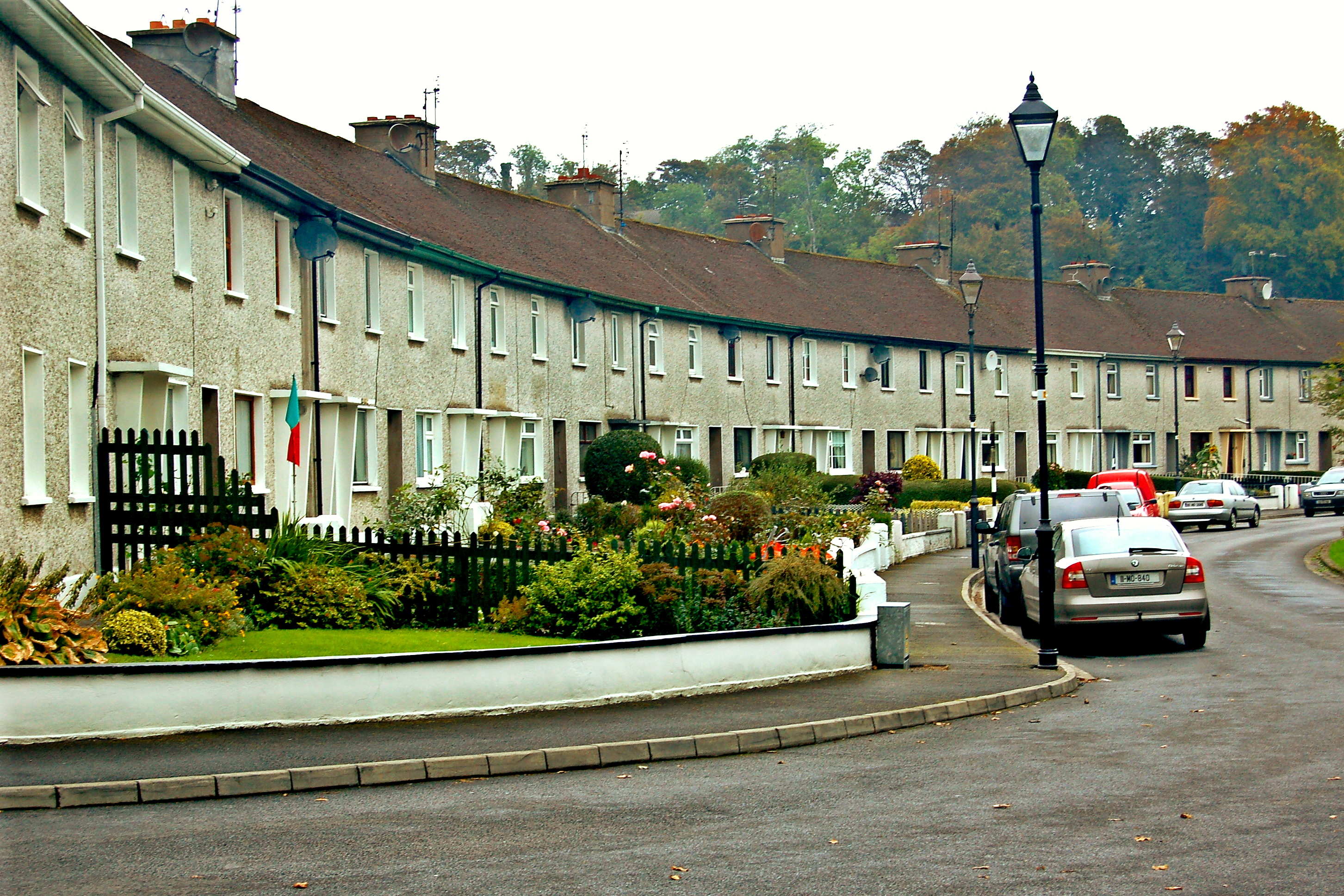
We need to be honest with you about this because we hear the moment of confusion on both sides, every week. When you say to an Irish person that you are Irish, they hear a different sentence than the one you mean. They hear a claim of nationality, the way an Irish person would mean it, and they think: but you are American. They are not being cold. They are being literal. The category Irish-American, which is a vivid and felt identity in the States, does not exist as a category here. There is Irish, and there is everything else.
The fix is small and changes the temperature of every conversation you have for the rest of the week. Say my family came from here, or my great-grandmother was born in Galway, or my grandfather was from a farm outside Westport. Be specific. Be a generation back. Be warm about it. The room will open immediately, because what you have offered is a story rather than a claim, and Irish people are unfailingly generous with anyone who arrives with a story rather than a flag. The same Irish person who flinched at I am Irish will spend the next hour telling you who in the village still farms that land.
What To Bring Home, And What Not To
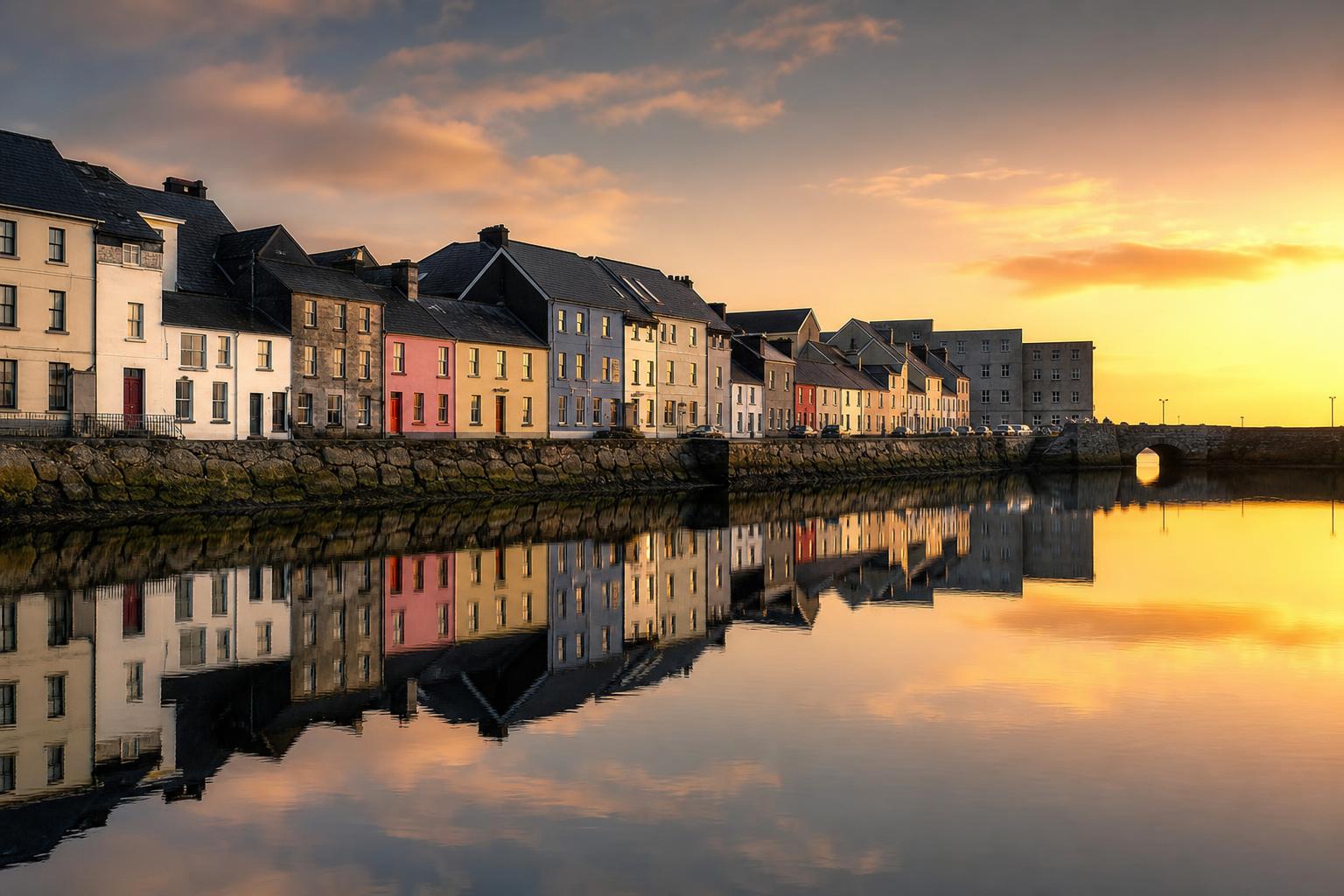
We notice a particular kind of disappointment in American friends at the end of a heritage trip, and it almost always comes from the gift shop. The family crest tea towel, the laser-engraved coat of arms, the certificate scroll in the airport: these objects are designed to sell you back the feeling you came looking for, and they do not work, because the feeling cannot be bought. They sit in a drawer at home. We have a small rule we tell people: do not buy anything in Ireland that is sold to you because you are Irish-American. Buy things that are sold to anyone, because they are well made.
What does come home well is small, ordinary, and chosen by you. A length of tweed from a weaver in Donegal whose name you now know. A wool blanket from Foxford or Avoca that will outlive you. A bottle of whiskey, not the giftset, the one the man behind the bar in the village told you to try. A book of poetry by Heaney or Boland that the bookseller in Galway pressed into your hand. These are the objects that hold the trip, because they came from a person you met in a room you sat in, not from a transaction that was waiting for any American to walk through the door. The good souvenir is the one that does not announce itself.
The Trip That Honours It Properly
The shape we coach friends toward, when ancestry is part of why they are coming, is roughly this. Land in Dublin and give yourself a full day there before you do anything else; the city is the antidote to the romance you may have arrived with, and an evening at a small dinner you booked weeks in advance will set the tone for the rest of the week. On day two, move west. We have written elsewhere about why we never stay one night anywhere in Ireland, and we mean it: pick one base on the Atlantic and use it for three nights at minimum. Walk the coast. Eat in the room your hotel runs, not the room the guidebook runs. Talk to the woman at the bar.
On day three or four, drive to the parish. Four hours, in the order we gave you above, and back to the hotel by dinner. Then carry on with the trip you would have built anyway: a country house for two nights, a slow drive home through a second landscape, a final night in Dublin to land softly before the flight. The ancestry day is no longer the trip; it is the still moment inside the trip, the one you will tell your children about, and it works because the rest of the week gave it the weight to land. We have not met an American friend who built the trip this way and regretted it. We have met several who built it the other way and wished we had told them this in time.
Further reading from the Notebook
- What To Actually Do With That Parish Name
- What Americans Get Wrong About Irish People
- Why We Never Stay One Night Anywhere
- What I Tell Every American Friend Before Their First Trip
- The Biggest Mistake Americans Make In Irish Pubs
- First Trip 7-Day Spine
- Kerry vs Connemara
- Ireland For Americans
- Build your trip