A note from Deborah. Read her editorial perspective
Most American guests we know never write the concierge before they arrive. They wait until they are standing at the desk, jet-lagged, asking for a dinner reservation that needed to be booked nine weeks ago. The single highest-leverage habit we have built into our own travel is the pre-arrival letter. It is one short email, sent at the right moment, to the right person, asking for the right three or four things. Done well, it changes the entire trip. We want to give you the exact template we use, the timing, the names of the people who actually read these notes, and the small requests that quietly move you to the front of every queue for the rest of the week.
Why The Letter Exists At All
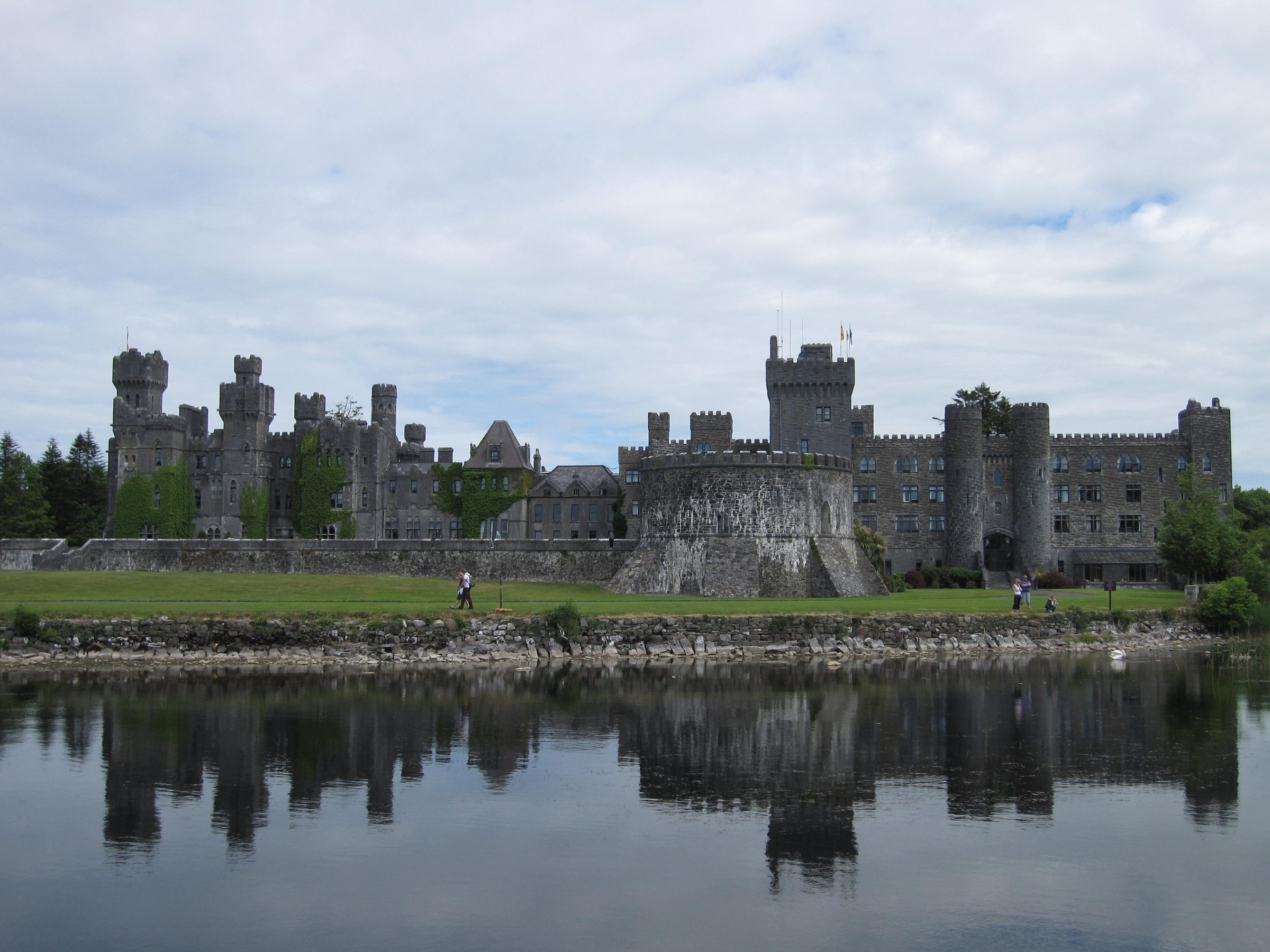
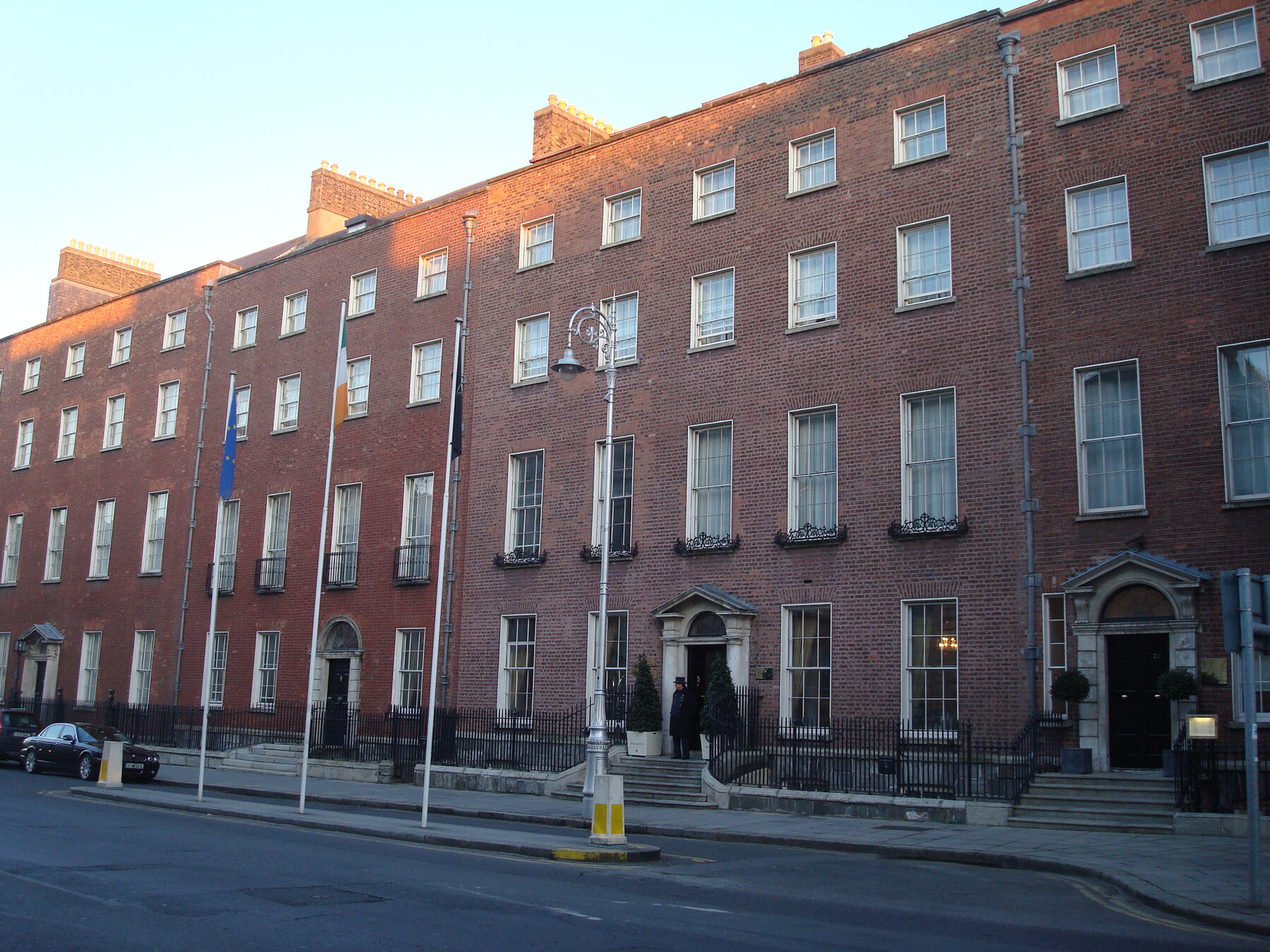
An Irish concierge at a five-star property is not a booking agent. The job is closer to a private secretary with a deep regional address book. The good ones at the Merrion, the Shelbourne, Ashford, Ballyfin, Adare Manor, Sheen Falls and Dromoland have spent years building relationships with the chef at Aniar in Galway, the head greenkeeper at Lahinch, the family that still farms the oysters at Flaggy Shore, the private guide who actually has the keys to Newgrange on a quiet morning. Those relationships are the product you are paying for. The letter is how you unlock them.
We want you to understand the asymmetry. A concierge fields dozens of requests a day at check-in. Most are reactive and last-minute, which forces them to default to the obvious answer: the restaurant that always has a table, the guide who is free on short notice, the tour that runs every morning. A letter sent four to six weeks before arrival arrives in a different inbox, on a different schedule, and is read by a different person. It gets discussed at the morning meeting. It gets routed to the right specialist on the team. By the time you arrive, your week has already been quietly built around your name.
Who Actually Reads It
Address the letter to the Head Concierge by name. At the Merrion this is the chief concierge, who holds the Clefs d'Or, the gold crossed-keys pin that signals membership in the international guild. At the Shelbourne, the same. At Ashford Castle and at Adare Manor, the equivalent role is the Guest Experience Manager, who oversees a small team of butlers and a separate guest services desk. At Ballyfin and Sheen Falls, the role belongs to the General Manager's office, because the houses are small enough that the GM personally vets requests from arriving guests. We will give you a current name for any of these properties on request, but the principle is constant: write to a human, not to info@.
If you are booking through a travel advisor, copy them on the note rather than letting them rewrite it for you. The concierge wants to hear your voice and your specifics. A letter that reads like it came from a third party gets a polite, generic reply. A letter that reads like it came from a curious American couple planning their first proper trip to Ireland gets the chef's mobile number and a handwritten welcome card. We have watched this difference play out for years. The voice matters more than the format.
When To Send It
Six weeks before arrival is the sweet spot for most requests. That window catches restaurant bookings before the popular tables are gone, gives a private guide time to rearrange their diary, and lets the kitchen plan around any dietary requirements without treating you as an inconvenience. For the few requests that need longer lead time, send earlier. A private after-hours visit to Trinity College's Long Room, a tour of the Newgrange chamber outside public hours, a tee time on a Saturday morning in summer at Lahinch or Royal County Down: these need three to four months. The Christmas residential package at Ashford or Dromoland needs nine to twelve.
Send a second, shorter note seventy-two hours before arrival. This one confirms the headline items, mentions your flight number, and flags anything that has changed. We treat the second note as a courtesy and a calendar prompt. It tells the team you are organised, you remember what was agreed, and you are paying attention. That alone shifts how your week is staffed. The butler on your floor at Ashford or the duty manager at the Merrion will have read both notes before you walk through the door.
What To Ask For (And What Not To)
Keep the ask list to four or five items. A long wishlist reads as anxiety and gets triaged downward. A short list of well-chosen requests reads as taste, and gets answered with care. The four categories that almost always belong in your letter are: two dinner reservations you care about, one private guided experience, one local introduction, and one small personal touch. That is the spine. Everything else can wait until you are on property and talking to the concierge directly.
Dinner reservations to name by name include Chapter One and Bastible in Dublin, Aniar in Galway, Ichigo Ichie in Cork, the Wild Honey Inn in Lisdoonvarna, and the dining room at Ballyfin if you are not staying there. For a private experience, ask for the specific guide rather than the generic tour: the falconer at Ashford by name, the private boatman who runs the Skellig route from Portmagee when the seas allow, the head gardener at Mount Stewart for a one-on-one walk through the Italian Garden. For a local introduction, ask to be introduced to the owner of a small business you actually want to spend money at: a Donegal tweed weaver, a Galway oyster farmer, a Burren cheesemaker. The concierge will arrange it because the introduction reflects well on the house. The personal touch is the smallest item and often the most remembered: a particular Irish whiskey in the room on arrival, a specific edition of a book you want to read by the fire, a cake for a quiet anniversary you would rather not announce at dinner.
The Template We Use
We give you the bones below. Use your own voice. The point is to be specific, warm, and brief. Do not apologise for asking, and do not pile on the qualifiers. A confident, direct note gets a confident, direct response.
Dear Aoife, we are arriving with you on the fourteenth of May for four nights in the Garden Suite and are very much looking forward to it. This is our first proper trip to Ireland in a decade and we want to use the week well. May we ask your help with four small things. First, a quiet table for two at Chapter One on Friday the fifteenth, ideally at seven. Second, a private morning at the National Gallery on Saturday before public opening if it is at all possible, with a guide who knows the Yeats collection. Third, a recommendation and an introduction to one Donegal tweed weaver where we might commission a length of cloth. Fourth, a bottle of Redbreast 21 in the suite on arrival in place of the champagne, with our thanks. We are happy to be guided by you on any of this. Please let us know what is realistic. With every good wish, Deborah and Carlos.
Reading The Reply
A good concierge reply does three things. It confirms what can be done in the form you asked for it. It proposes a thoughtful alternative for anything that cannot. And it asks one or two clarifying questions that show the team is actually engaged. If your reply lacks any of those three elements, you are talking to the wrong person and you should call the property and ask for the head concierge by name. We have done this on behalf of friends more than once and it has never been awkward; in fact, the head concierge is usually quietly grateful to have been reached.
When the reply is good, respond promptly with a one-line thank you and any final adjustments. Do not add new requests at this stage; you will get a second chance in your seventy-two hour note. The instinct to keep building the list is the most common American mistake we see. Resist it. The concierge is now your ally for the rest of the trip, and the rest of the asks are better made in person, over a cup of tea at the desk, on the morning you actually need them.
The Properties Where The Letter Pays The Highest Dividend
Not every hotel rewards the letter equally. The houses where we have seen the largest payoff, repeatedly, are the small owner-operated ones: Ballyfin, Sheen Falls Lodge, Ballynahinch Castle, Marlfield House in Wexford, Coopershill in Sligo. At these properties your letter is read by someone who knows the gardener and the chef by their first names and can call them from the desk. The grand five-stars in Dublin, the Merrion and the Shelbourne and the Westbury, also reward the letter, particularly for restaurant access and private gallery openings that no walk-in guest will ever get.
The properties where the letter is less essential, in our experience, are the very large international flag hotels. Their concierge teams are competent and well-staffed, but the relationships are shallower and the answers are more transactional. If you are staying at one of those for logistics rather than character, save your letter for the property where you will spend the week that actually matters. We would rather you write one excellent letter to Ballyfin than four polite letters to four hotels you are merely passing through.
What This Buys You
We are not selling magic. We are selling attention. The letter buys you the attention of the most experienced person on the property's team, two weeks before you arrive, when they have the time and the relationships to actually solve for you. It buys you the dinner table that is not on the public booking system. It buys you the guide who only takes private clients by referral. It buys you the small, particular Ireland that exists behind the public-facing one, and the only price is twenty careful minutes at your desk a month before you fly.
We have used some version of this letter for our own travel for more than a decade, and we have coached every American friend who asked us how we get the trips we get. Write the letter. Send it to the right person. Keep the list short. Then arrive, hand over your passport at the desk, and watch the week unfold with the quiet, specific, well-prepared shape that only a real concierge relationship can produce.
Further reading from the Notebook