Drunk and driven across four years of Irish distillery visits, from Midleton and Bushmills to a back snug in Dublin with a glass of Redbreast and no hurry
Irish whiskey is the most misunderstood drink in this country, mostly because the version that reached America for forty years was the cheapest one we make. The good stuff never left in volume, and a great deal of it still does not. What you can do here, and cannot easily do at home, is drink single pot still whiskey at the bar of a pub that has been pouring it since before Prohibition, at a price that will make you quietly angry about what you pay in New York. This is the guide we give friends flying in: what the categories actually mean, which distilleries deserve a day of your itinerary, which bottles are worth the money, where to drink them, and how to hold the glass.
The Four Categories, And The One That Matters
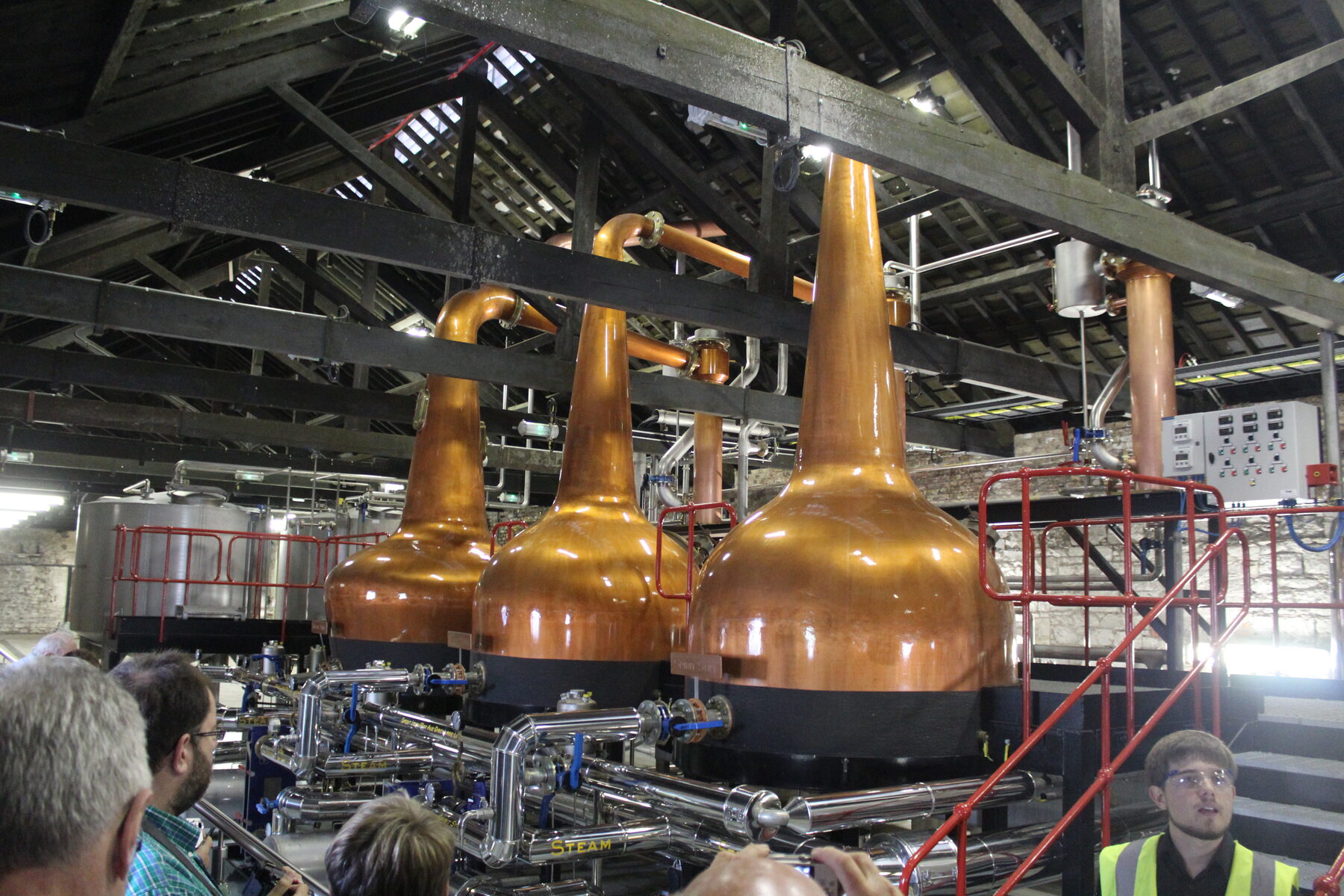
Irish whiskey comes in four legal styles and you only need to hold one of them in your head. Single pot still is the Irish original: made at one distillery from a mash of both malted and unmalted barley, distilled in copper pot stills, and unlike anything made in Scotland or Kentucky. The unmalted barley is the whole trick. It gives the spirit a thick, oily texture and a green, peppery bite that whiskey people call the pot still spice. If you taste one thing on this island, taste this.
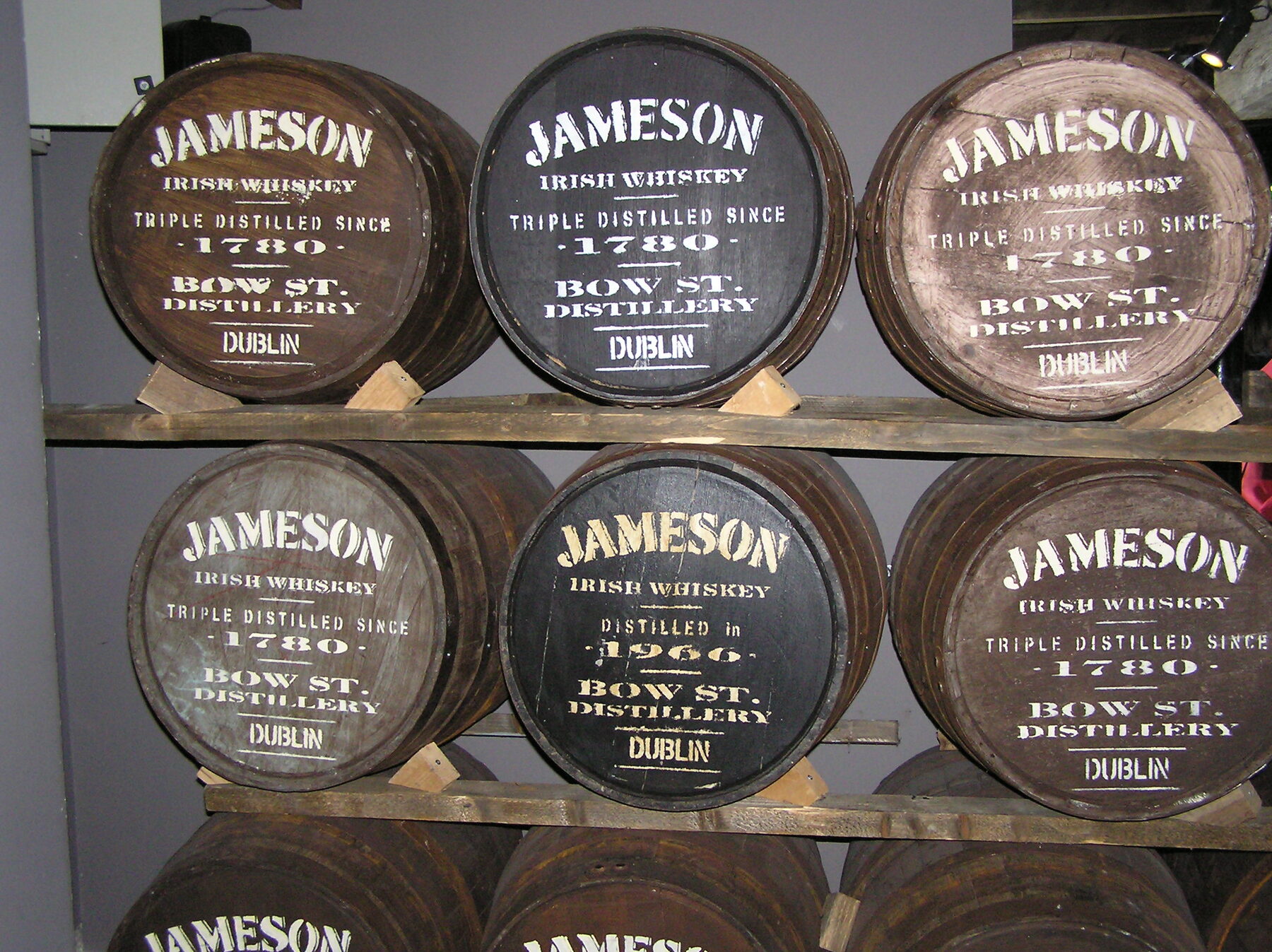
The other three are single malt, made from malted barley alone at one distillery and the closest thing we make to a Scotch; grain whiskey, lighter and sweeter, distilled in a column still; and blended, which mixes the styles and accounts for the overwhelming majority of what sells worldwide. Jameson is a blend. It is a perfectly decent blend, and it is also the reason many Americans think Irish whiskey is a soft, sweet, uncomplicated thing you put in coffee.
Two other pieces of received wisdom deserve correcting while you are here. Irish whiskey is often triple distilled, which tends to produce a lighter and cleaner spirit, but it is not a legal requirement and plenty of good Irish whiskey is distilled twice. And Irish whiskey is usually unpeated, though Connemara from Kilbeggan is peated and is worth ordering precisely because it upsets the rule. Everything must be aged a minimum of three years in wood on the island of Ireland. If a bottle carries no age statement, that is the floor, not the number.
The Distilleries Worth A Day
Midleton in County Cork is the serious one. This is where Jameson, Redbreast, the Spot range, Powers and Midleton Very Rare are all made, and the site holds both the old distillery, with its enormous pot still and water wheel, and the working modern one next door. The standard tour is good. The tasting-led experiences, where you sit down with pot still whiskeys at cask strength and a distiller who can explain why they differ, are the reason to come. Book them ahead, because they sell out weeks in advance in summer. Midleton sits twenty five minutes east of Cork city, which makes it an easy morning if you are staying in Cork or driving the south coast.
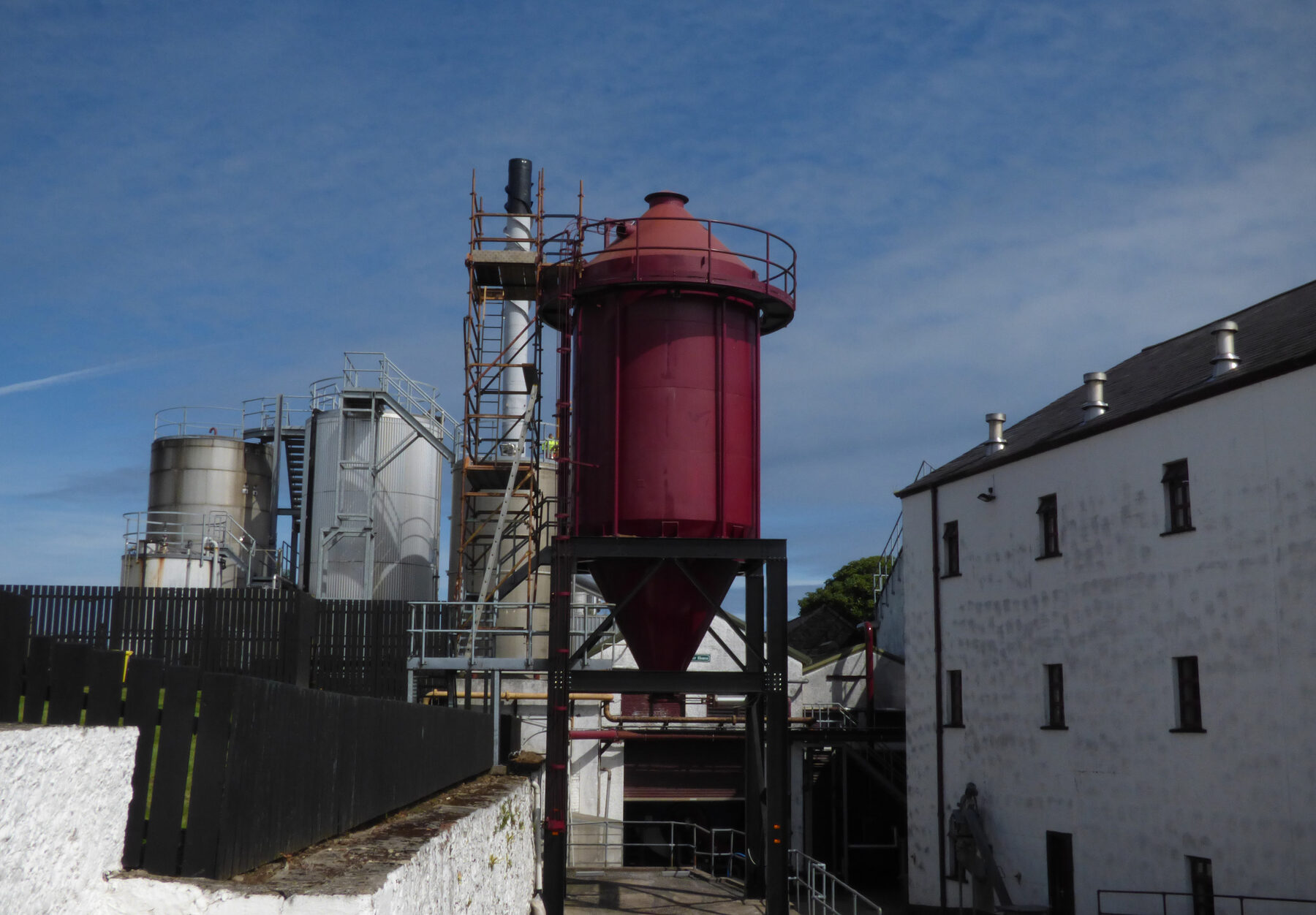
Bushmills in County Antrim is the oldest licensed distillery in the world, granted its licence in 1608, and it sits ten minutes from the Giant's Causeway. That geography does most of the work: causeway in the morning, distillery after lunch, back to Belfast or on to Portrush for dinner. The whiskey is single malt rather than pot still, so it drinks closer to a Speyside, and the sixteen and twenty one year expressions are the ones we buy on site.
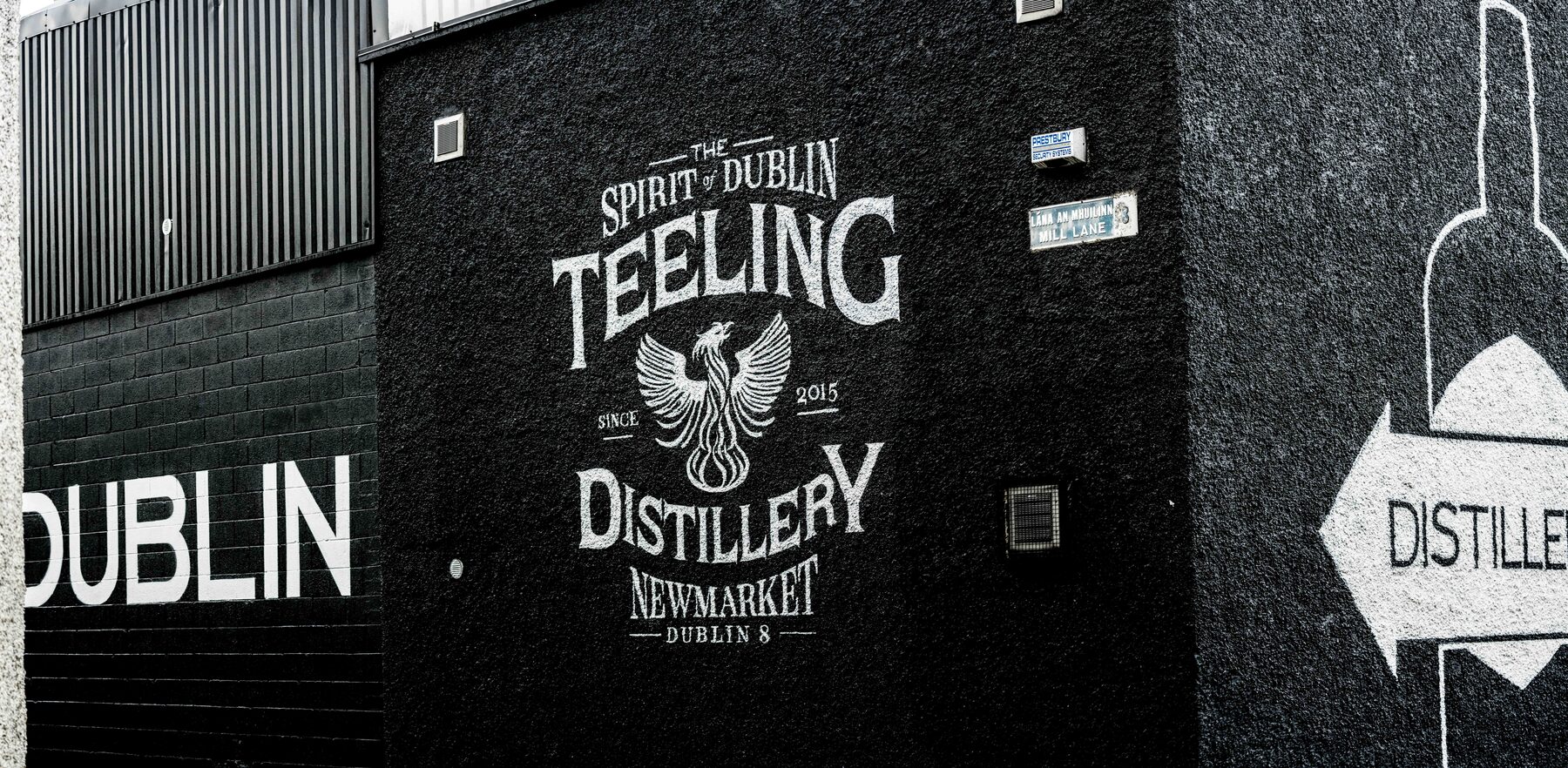
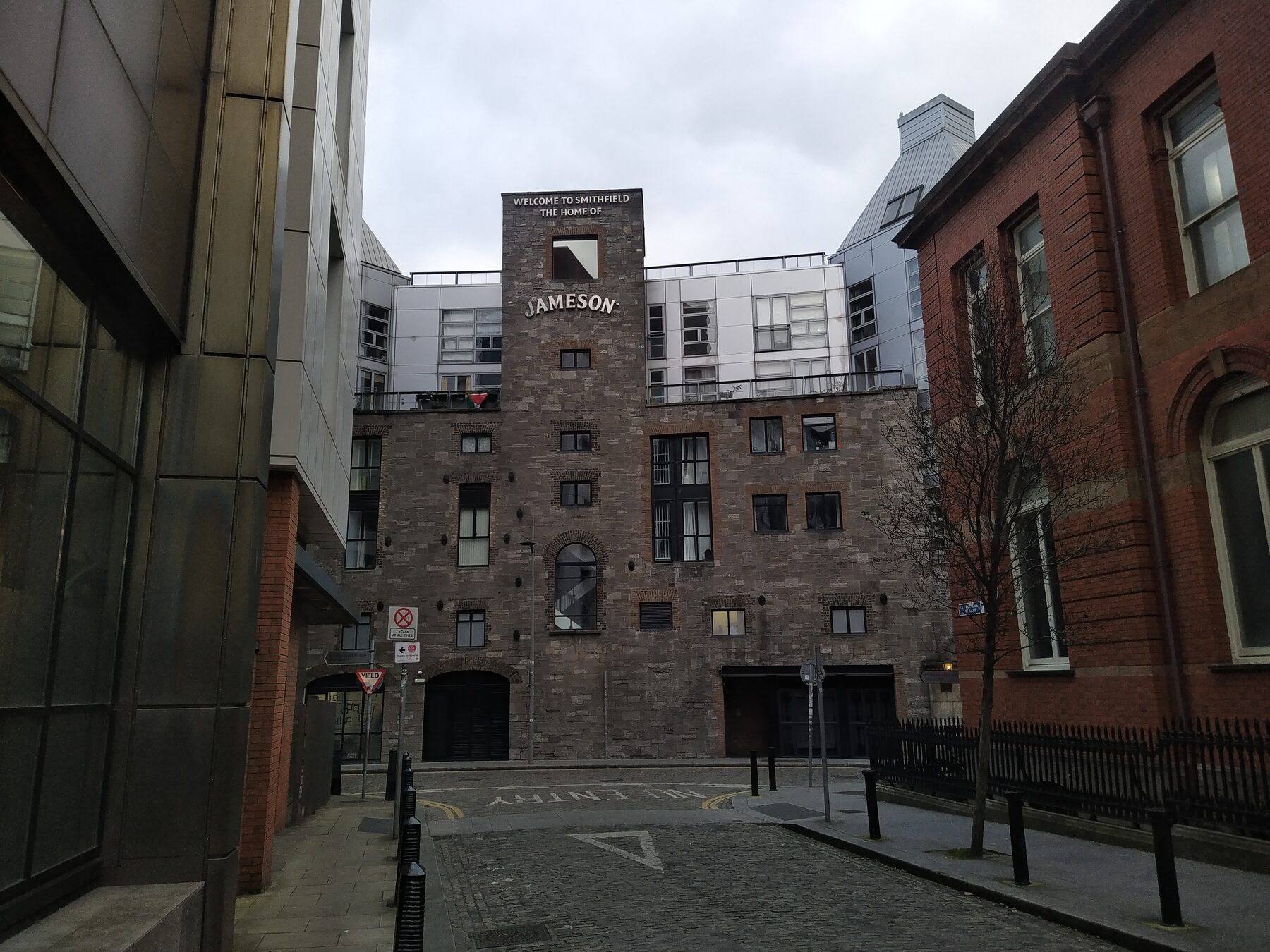
In Dublin, Teeling in the Liberties is the tour we send people on. It was the first new distillery in the city in a hundred and twenty five years when it opened in 2015, the building is working rather than ceremonial, and the small batch is finished in rum casks, which is a fair introduction to the modern Irish attitude. Jameson Bow Street is the other Dublin option and it is a brand home rather than a distillery, restored and polished, with a whiskey making class and cocktail session at the end. Take Bow Street if you have a group who want an afternoon out. Take Teeling if you want the whiskey.
Two more if you have the time and the car. Kilbeggan in Westmeath is the oldest licensed distillery still in operation, small, wooden, dusty in the right way, and it makes the peated Connemara. Dingle Distillery on the Kerry peninsula is one of the best of the new independents, its single malt is genuinely good, and it fits neatly into a Slea Head day. We would not build a trip around either. We would take both if the road went past.
The Elite Bottles, And What They Cost Here
Redbreast 12 is the bottle we hand every visitor first. It is single pot still, matured in bourbon and sherry casks, and it does the whole Irish argument in one glass: thick texture, dried fruit, that green pepper bite at the back. It runs around sixty five to seventy five euro here against well over a hundred dollars in most American stores. Redbreast 15 adds depth, Redbreast 21 is a different order of thing again, and the cask strength Redbreast 12 is what we buy when someone else is paying.
The Spot range comes from the same pot still stock and is named for the coloured paint the old Dublin bonders daubed on casks. Green Spot is bright, orchard fruit and grass, and is the everyday hero of the range. Yellow Spot, aged twelve years with Malaga cask influence, is richer and honeyed and is the one we pour after dinner. Red Spot at fifteen years is heavier still. Powers John's Lane is the fourth name in this family, twelve years old, oily and peppery, and pound for pound it is the best value pot still whiskey in the country.
Above that sits Midleton Very Rare, released annually since 1984, blended by hand and priced accordingly at roughly two hundred euro and upward. It is not the biggest whiskey in the room and it is not meant to be. It is the most balanced. If you want the true collector tier, the Midleton Dair Ghaelach releases, finished in virgin Irish oak from named Irish trees, and the Bushmills 21 year, which spends its final two years in Madeira casks, are the two we would carry home wrapped in a sweater.
One more worth knowing because it breaks the mould. Waterford makes single malt from individually traced Irish barley farms, bottling each farm separately, and it asks you to taste terroir the way a Burgundy drinker would. Some of it is remarkable and some of it is an experiment you are paying for. Try it in a bar before you commit to a bottle.
Where To Drink It: The Pubs That Pour Properly
In Dublin, the Palace Bar on Fleet Street is where we take people. Victorian, mirrored, a back room full of newspaper history, and a whiskey list deep enough that they bottle their own casks. Ask the barman what pot still he is proud of and let him lead. The Long Hall on South Great George's Street is the more theatrical room and pours well. Kehoe's on South Anne Street is the one to sit in when you want conversation rather than a lecture. And John Kavanagh, the Gravediggers, beside Glasnevin Cemetery, is where you go if you would rather be among locals than tourists. No music, no television, no nonsense.
Outside Dublin the list is short and good. The Duke of York in Belfast, down a cobbled entry off Donegall Street, holds one of the deepest Irish whiskey walls on the island. Dick Mack's in Dingle is a former cobbler's shop with a whiskey cabinet where the shoe leather used to be, and it is worth the detour on any Kerry day. Sean's Bar in Athlone claims to be the oldest pub in Ireland, dated to 900 AD, and is a legitimate stop when you are crossing the midlands. Garavan's in Galway does whiskey tasting flights properly, with an Irish coffee that is made rather than assembled.
A practical note about ordering. In an Irish pub, a measure is 35.5ml, which is larger than the standard American pour, and a double is genuinely a double. Ask for it neat and ask for water on the side, not in the glass. If you want a stout behind it, that is a half and half in local shorthand and no barman will blink. What you should not do is order a Jameson and ginger in a bar with a fifty bottle back wall. You are allowed, but you are wasting the room.
How To Drink It Without Getting It Wrong
Glass first. A tulip shaped glass, a Glencairn or a copita, concentrates the aroma at the rim and will show you twice as much as a tumbler. Most decent Irish bars have them behind the counter and will use one if you ask. Pour, then leave it two or three minutes before you go near it, because a whiskey that has just been poured is still shouting.
Then water. A few drops of still water, added with a straw or a pipette, lowers the alcohol at the surface and releases the aromatic compounds that were locked up by it. This is not dilution for the timid. It is how distillers taste. Cask strength whiskeys in particular, and Redbreast 12 cask strength is the obvious example, will change completely with three drops. Add slowly. You cannot take it out again.
Ice is where we hold the line. Cold suppresses aroma and thickens the texture into something dull, so a good pot still whiskey on the rocks throws away most of what you paid for. If you want it cold, a single large cube in a young grain blend is a reasonable summer drink and nobody in Ireland will judge you for it. Nobody will judge you for an Irish coffee either, provided it is made with cream that is lightly whipped and floated, sugar dissolved in the whiskey first, and no aerosol involved.
Order of tasting matters more than people expect. Go light to heavy: grain or blend first, then single malt, then pot still, then anything sherried or cask strength at the end. Three whiskeys is a tasting. Five is a night you will describe inaccurately. Eat something with fat in it before you start, because Irish measures are generous and the good bottles go down more easily than they should.
Tours, Tastings And What To Book Before You Fly
If you are Dublin based and short on time, a guided whiskey tasting in the city centre is the efficient move: a couple of hours, four or five pours across the styles, and someone to answer the questions you did not know to ask. We prefer this to a second distillery visit for anyone who already has one on the itinerary. The Irish Whiskey Museum on Grafton Street runs a straightforward version of the same thing and works well before dinner.
For the north, the Giant's Causeway and Bushmills combination sold as a single day out of Belfast or Dublin is the rare bus tour we recommend, because the driving is long, the road is narrow and the coast deserves your attention rather than your concentration. Book the Causeway side for the morning light and treat the distillery as the reward.
In Cork, book the Midleton tasting experience directly with the distillery, weeks ahead in high season, and build the day around it. A morning at the English Market in Cork city, lunch, then Midleton in the afternoon, then dinner at Ballymaloe twenty minutes further east. That is one of the best food and drink days available in Ireland and none of it requires you to be an expert.
One booking note. Every distillery tour involves a tasting, so somebody in your party has to drive and the drink driving limit here is low enough that a single measure will put most people over it. Distilleries know this and will hand a driver their pours in sealed sample bottles to take away. Ask at reception when you arrive rather than at the tasting bench.
Buying, Bringing It Home, And What It Is Worth
Buy in town rather than at the airport. Celtic Whiskey Shop on Dawson Street in Dublin and the shop at Midleton both carry distillery-only bottlings and older stock that duty free does not, and the price difference is smaller than the selection difference. Airport shops are useful for volume and for the last minute, not for the interesting bottles.
United States customs allows one litre of alcohol per adult duty free, and in practice most travellers bring more than that and declare it, paying a modest duty rather than a punitive one. What you cannot do is carry liquid through American security on a connection, so anything bought after you land airside in Dublin needs to survive the transfer. Dublin has United States preclearance, which means you clear American immigration and customs before you board, and any bottle bought after preclearance goes with you in a sealed bag. Buy before preclearance and it must be checked.
The honest arithmetic is this. A bottle of Redbreast 12 saves you thirty or forty dollars against American shelf prices. A bottle of Midleton Dair Ghaelach or a distillery-bottled cask strength release saves you the trouble of never finding it at all. Carry the second kind. Buy the first kind in a good bar, glass by glass, and spend the difference on the room.
Whiskey is the one Irish souvenir that improves the memory of the trip rather than cluttering the house. Bring the bottle you drank at the bar you liked, not the one with the best box.
Questions we get asked
- What is single pot still Irish whiskey?
- Whiskey made at a single Irish distillery from a mash of both malted and unmalted barley and distilled in copper pot stills. The unmalted barley gives it a thick, oily texture and a peppery spice that no other whiskey style has. Redbreast, the Spot range and Powers John's Lane are the benchmark bottles.
- Which Irish distillery tour is the best?
- Midleton in County Cork for the serious tasting-led experiences, where Redbreast, the Spot range and Midleton Very Rare are made. Bushmills in Antrim pairs with the Giant's Causeway, and Teeling in Dublin is the best city option. Book Midleton several weeks ahead in summer.
- What are the best Irish whiskeys to try?
- Start with Redbreast 12, then Green Spot and Powers John's Lane. Yellow Spot and Redbreast 15 are the step up. Midleton Very Rare, Midleton Dair Ghaelach and Bushmills 21 are the collector tier, and Waterford single farm bottlings are the interesting outlier.
- How should you drink Irish whiskey?
- Neat, in a tulip shaped glass, with a few drops of still water added to open the aroma. Skip the ice, which suppresses aroma and dulls the texture. Taste light to heavy: blend, then single malt, then pot still, then cask strength.
- Where can I drink good whiskey in Dublin?
- The Palace Bar on Fleet Street has the deepest list and bottles its own casks. The Long Hall and Kehoe's both pour well, and John Kavanagh, the Gravediggers, by Glasnevin Cemetery is the local room. In Belfast, the Duke of York holds the biggest whiskey wall in the north.
- How much whiskey can I bring back to the United States?
- One litre per adult is duty free and most travellers who carry more simply declare it and pay a small duty. Dublin has United States preclearance, so bottles bought after you clear can travel in the cabin. Anything bought before preclearance has to be checked.
How we checked this
Further reading from the Notebook
- Irish whiskey experiences and distillery tours
- Midleton distillery: which tour to book
- Teeling in the Liberties, Dublin
- Bushmills and the Causeway in one day
- The Dublin pubs we actually drink in
- Irish oysters: where, when and which
- Where to eat on the Wild Atlantic Way
- Ballymaloe and beyond
- Three days in Dublin
- The food lover's Ireland