
Walked March 2026, three nights in Dublin city centre
Portmarnock is the round we send American friends to when they land at Dublin and want to play the truest links on the island without giving up the city they flew into. The Old course sits fifteen minutes north of the airport on a peninsula surrounded by water on three sides, and the club is a members club that has never pretended to be a resort. That is the whole planning problem. You will not sleep at the course, and you should not try. You sleep in Dublin, you drive out for a morning round, and you spend the rest of your trip inside a city that has been rehearsing how to feed a small group of well-dressed adults for two hundred years. Here is how we sequence three nights around a Portmarnock booking, why we pair it with a second round to the south of the city rather than a second links to the north, and what to book before you fly.
Where To Base, And Why It Is Dublin
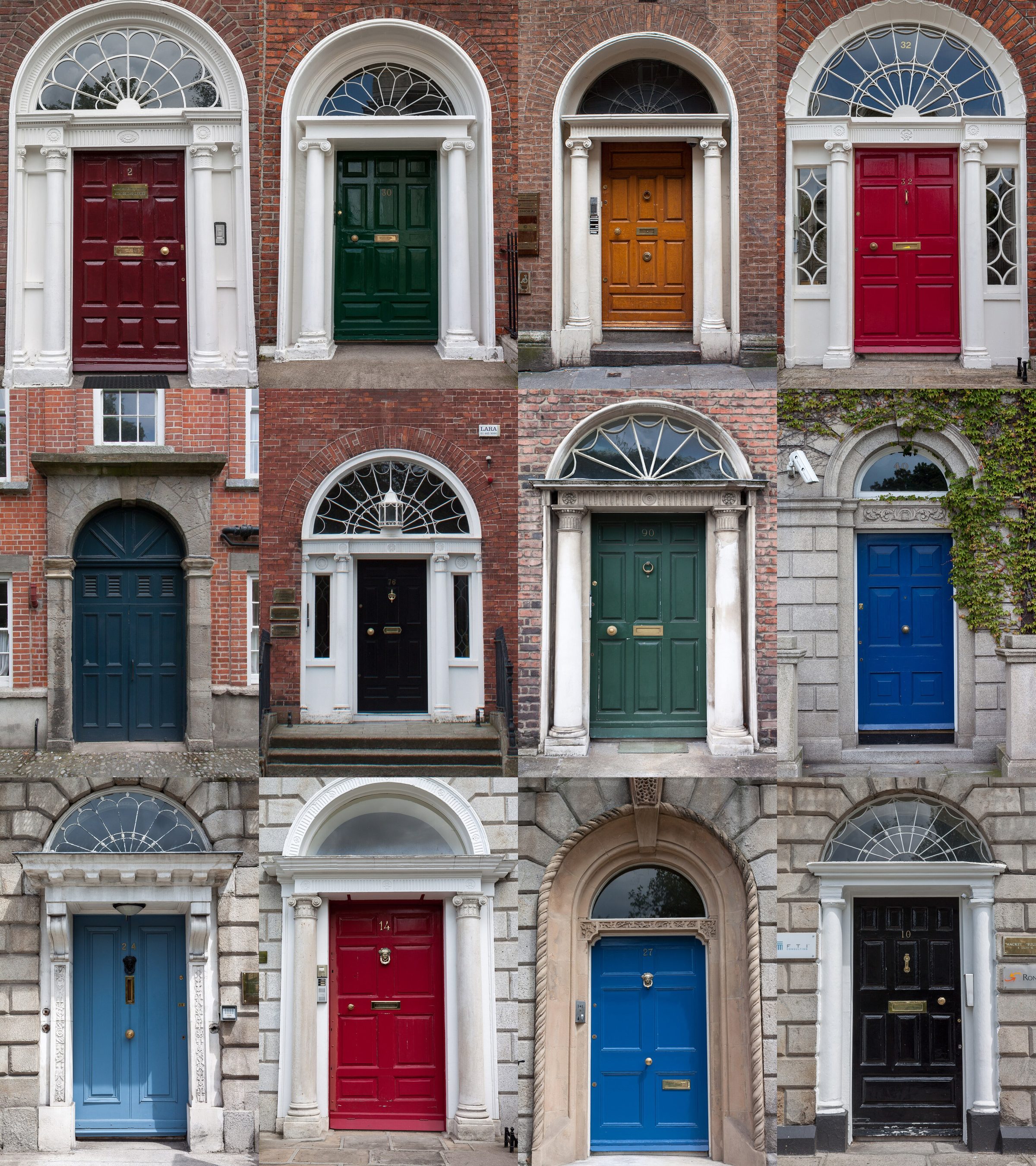
The correct base for a Portmarnock trip is the city, not the peninsula. Our clients ask us this every time, because the Portmarnock Hotel and Golf Links sits ten minutes from the Old course and looks, on paper, like the obvious answer. It is not. That hotel is a separate property, with its own course, and a dinner room that does not reward a two-hour drive from anywhere else in the country. What you actually want, after a round on the Old course, is a Georgian bar in the centre of Dublin, a walk to a room the city knows how to run, and a table that has been booked for you by a concierge who understands golfers arrive tired and rarely tie their ties well.
We put every guest we know at the Shelbourne on St Stephen's Green or the Merrion two streets away. Both are ten-minute drives from the M1 on the way out to the peninsula in the morning, and both are inside the two blocks that hold every dinner reservation you should be making on this trip. If your party is four golfers travelling without partners, the Shelbourne bar is the pre-dinner room. If your party includes non-golfers who want a slower morning, the Merrion drawing rooms are the better arrival hour. Either way you are inside the Dublin your caddie will assume you are staying in when he asks where to send you for dinner on the way off the eighteenth green.
Day One, The Arrival
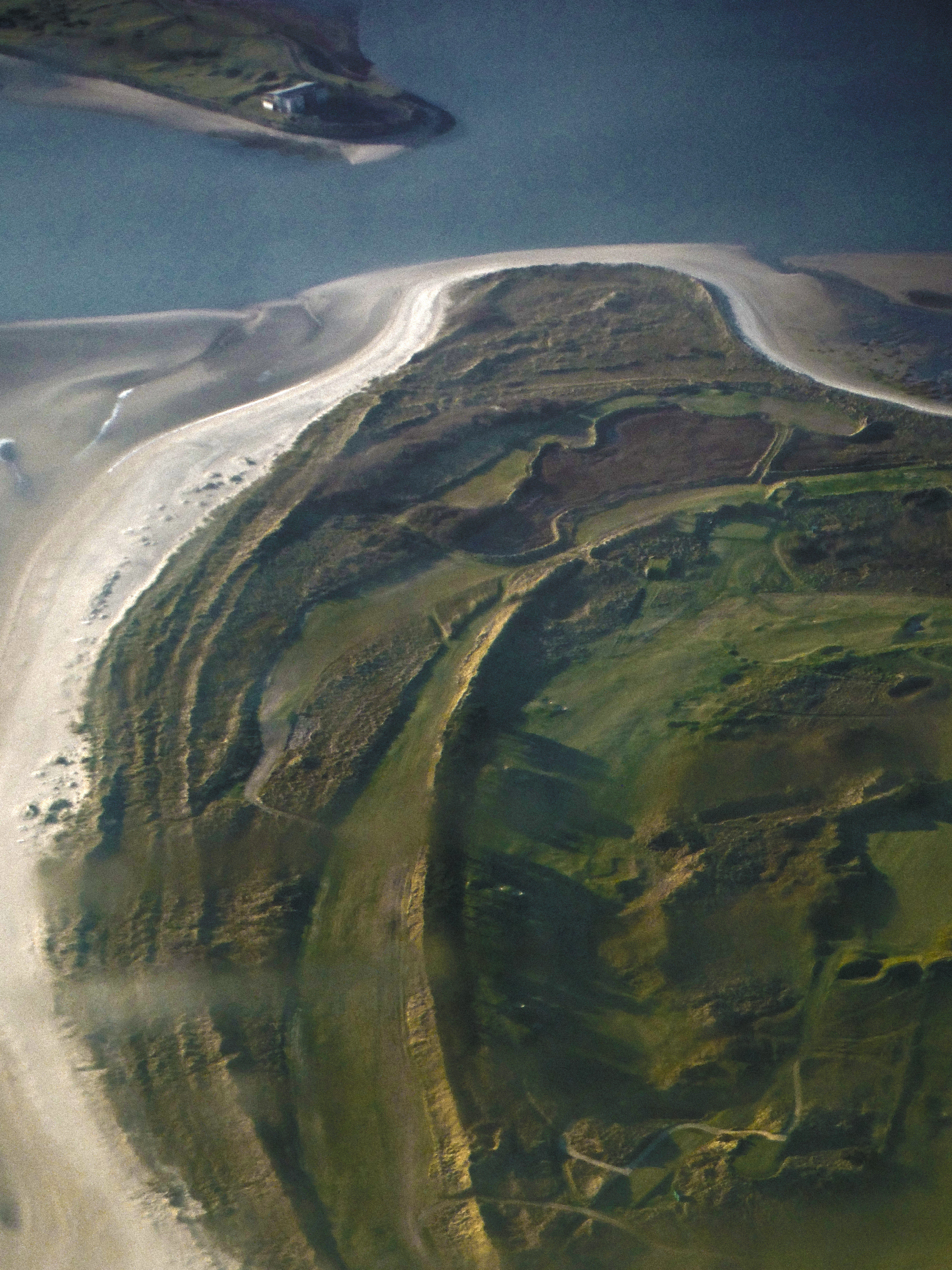
Fly into Dublin overnight from the east coast of the States, land at six in the morning, and take the pre-booked car straight into the city. Your room at the Shelbourne or the Merrion will not be ready until the early afternoon, and the porter will hold your bags without a second look. Do not, on any account, try to play the round on arrival day. We have watched too many good golfers get talked into an eleven o'clock tee time at Portmarnock inside twelve hours of a red-eye, and we have watched all of them unravel by the sixth hole in a wind they had no capacity to read. Your body is on the wrong clock, and the peninsula punishes bad club selection more than it punishes any other misjudgement.
The right sequence for arrival day is breakfast at the hotel from eight, a shower, and a slow walk across St Stephen's Green and up Grafton Street to the National Gallery on Merrion Square. The Gallery is free, the rooms are quiet, and one hour with the Jack B Yeats collection is the best jet-lag treatment we know of in Ireland. Lunch is a light plate at Sole or Chapter One's bar in the afternoon, and then a nap in the room from three to five. Dinner is at the hotel restaurant, not out. You want to be in bed by ten. The tee time in the morning is early, and you have not seen the wind at the peninsula yet.
Day Two, The Round
Breakfast in your room at six-thirty. The drive out to the peninsula is twenty minutes on the M1 at that hour, thirty-five later, and you want to be on the range at seven-thirty for an eight o'clock tee time. The caddies at Portmarnock loop the course as often as any caddies on the island, and the one thing you should ask yours before the first tee is where the miss is on each hole. Do not ask what to hit. Read our Portmarnock shot by shot essay on the flight over, because the defence at Portmarnock is invisible until you are standing in it, and a caddie who has to explain the wind and the pot bunkering from scratch is a caddie who cannot help you score.
The round will finish around noon. Take the club sandwich in the clubhouse rather than the full lunch, sit for a coffee at the members' end of the bar for twenty minutes if the room is open to you, and drive back into the city by half past one. The afternoon is for a walk, not for another meal. We recommend the two-hour loop from the hotel through Merrion Square, along the Grand Canal, and back through Fitzwilliam Square. It is the walk that reads the round back to you at the correct pace, and it is what your legs need after four hours on a flat but relentless links.
Dinner on the round night is Chapter One or Bastible or Etto, and the reservation should have been made the day you confirmed the room. This is the night the trip has been arranged around. Dress properly, take the wine pairing, and do not order the cocktail before dinner. You will be asleep by eleven, and the morning after Portmarnock is a morning you want to have.
Day Three, The Second Course

The third day is where a Dublin golf trip earns its second round, and we send guests south to the K Club or Druids Glen rather than north to the Portmarnock Hotel course. The reasoning is simple. Portmarnock the Old course is the truest links in this part of the island, and the second round on your trip should either be an entirely different sort of course or should be a course that gives you the wider Wicklow drive as its reward. The K Club at Straffan is a Palmer parkland forty minutes west, with a members' clubhouse worth an hour on its own. Druids Glen sits in the Wicklow Mountains an hour south, and the drive back through the Sally Gap in the late afternoon is one of the great Irish evenings.
If your party would rather not play a second round at all, the third day belongs to Wicklow. Powerscourt House and gardens are half an hour south, Glendalough another thirty minutes into the mountains, and the entire loop can be done in six hours with lunch at the Powerscourt Hotel terrace in the middle of it. This is the day we recommend for guests who came for Portmarnock and want the country to declare itself before they fly home. Ireland does not read like Ireland from the M50. It reads like Ireland from the Wicklow Gap.
The Pubs, And The Pace Of The Evenings
Dublin has more good pubs inside a ten-minute walk of the Shelbourne than any other city we know of at its size. The one we send every guest to for the first evening drink is Toner's on Baggot Street, which has kept its snug rooms and its slow bar service and its wooden partitions long after other city pubs began stripping them out. Take one pint of stout, take the small table under the window, and give the room half an hour before you decide where dinner is. The second pub we recommend is Kehoe's on South Anne Street, which is louder and more crowded and is the correct room for the second drink of the night, not the first.
What we would not do is try to fold in a pub crawl across three different rooms on any one evening. Two pints across two rooms is the pace of a Dublin evening that leaves you sharp enough for the morning after. Three pints across three rooms is the pace of a story you will tell badly on the plane home. We are not being polite. We are watching how the peninsula reads after a Guinness too many.
The Reservations To Book Before You Fly
Book the Portmarnock tee time five to six months in advance directly through the club office, and confirm a caddie at the same point. Book the room at the Shelbourne or the Merrion the same week you confirm the tee time, because those two hotels fill first for any weekend that overlaps a Six Nations rugby fixture or a concert at the 3Arena. Book Chapter One or Bastible for the round-night dinner the same day the room is confirmed, because the seven o'clock table in either of those rooms is the reservation the whole trip is arranged around. If your third day is the K Club or Druids Glen, book that tee time three months out and ask the resort to hold the buggy for you if any of your party is over sixty.
The essays that turn this into a trip are three. Our Portmarnock shot by shot covers the round itself, hole by hole. Our where to eat around Portmarnock essay covers the Dublin rooms in the order we book them. Our how to book Portmarnock essay covers the visitor window and what the concierge can and cannot do for you. Read them on the plane. The trip you arrive with is the trip you play.
The Sequence, Kept Simple
Three nights, one round, one second round or one Wicklow day. Fly in on Thursday, arrive Friday morning, and treat Friday as the arrival day. Play the Old course on Saturday. Take Sunday for the second course or the mountains. Fly out Monday morning on a mid-morning flight, not the eight o'clock. Sleep at the Shelbourne or the Merrion. Eat at Chapter One, Bastible, or Etto on the round night. Take your first pint at Toner's. This is the whole plan, and it is enough.
The mistake we watch American groups make on this trip is to try to play Portmarnock and Royal County Down on the same visit. It is a four-hour drive between them, it involves changing currency at the border, and it forces you to check out of Dublin on the morning after the round when you are least equipped to do it. If you want Portmarnock and County Down on the same trip, plan a full week and read our seven-day golf itinerary for the sequence that actually holds together. On three nights, play Portmarnock and stay in Dublin. That is the trip.
Questions we get asked
- Should I stay in Dublin city or near Portmarnock?
- The city. The drive out is twenty five minutes at golf hours, and the evenings in Dublin are far better than anything on the coast road. Base in the city and commute to the round.
- What second course should I add near Portmarnock?
- The Royal Dublin at Bull Island for the history, or the Island for the dunes. Both are inside half an hour and neither repeats what Portmarnock does.
- Is three days too long in Dublin on a golf trip?
- Not if you use the city properly. Two rounds, one day without a tee time, and three evenings that involve something other than a clubhouse bar.
- Do I need a car for a Portmarnock trip?
- Not necessarily. Taxis handle the run from the city to the club, and Dublin is easier without a car. Hire one on the day you leave for the west instead.
- Can I play Portmarnock on the day I land?
- It is the one Irish course where we would consider it. Twenty five minutes from the terminal, an afternoon tee time, and you are through the jet lag before dinner.
How we checked this
Further reading from the Notebook