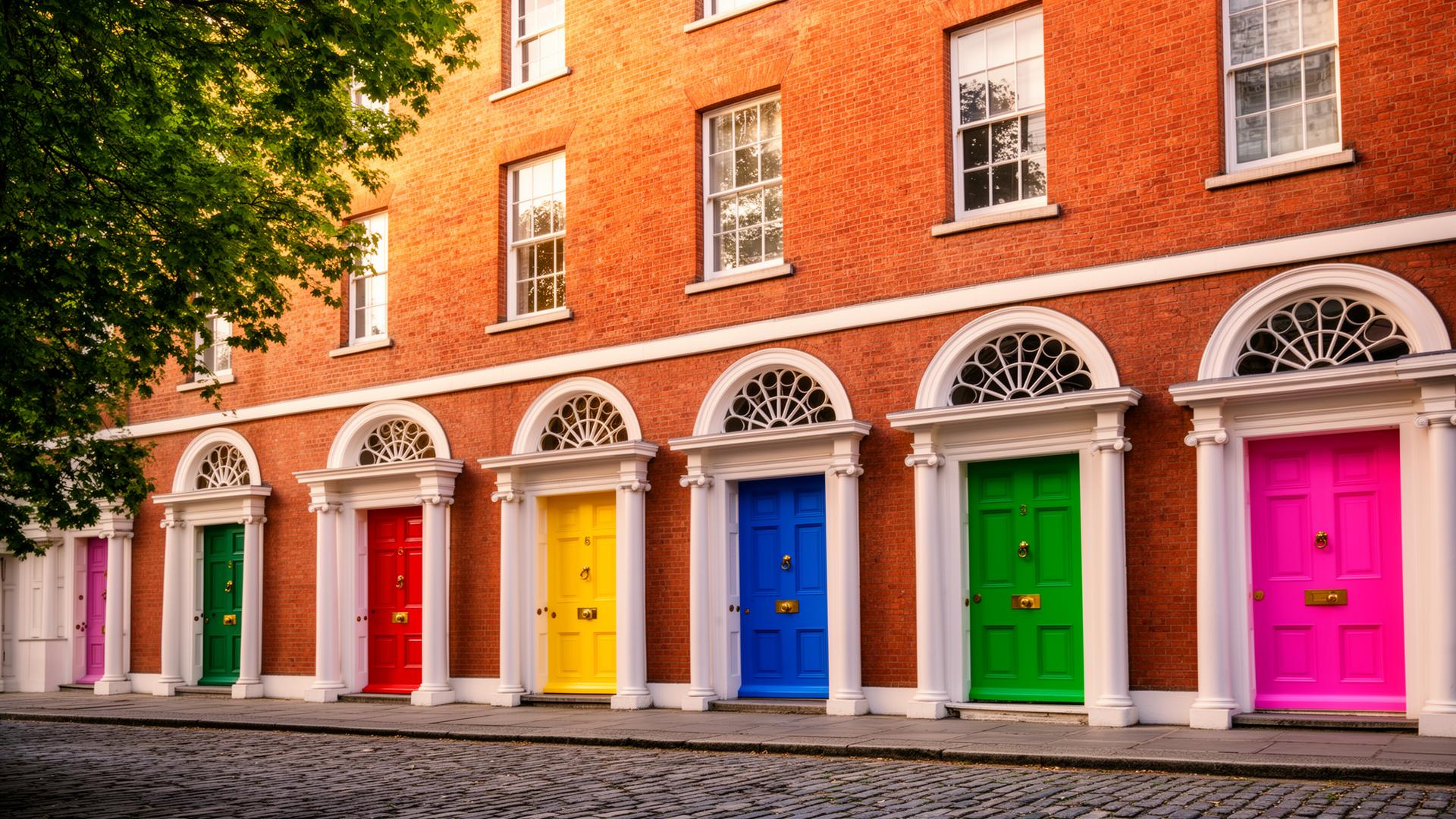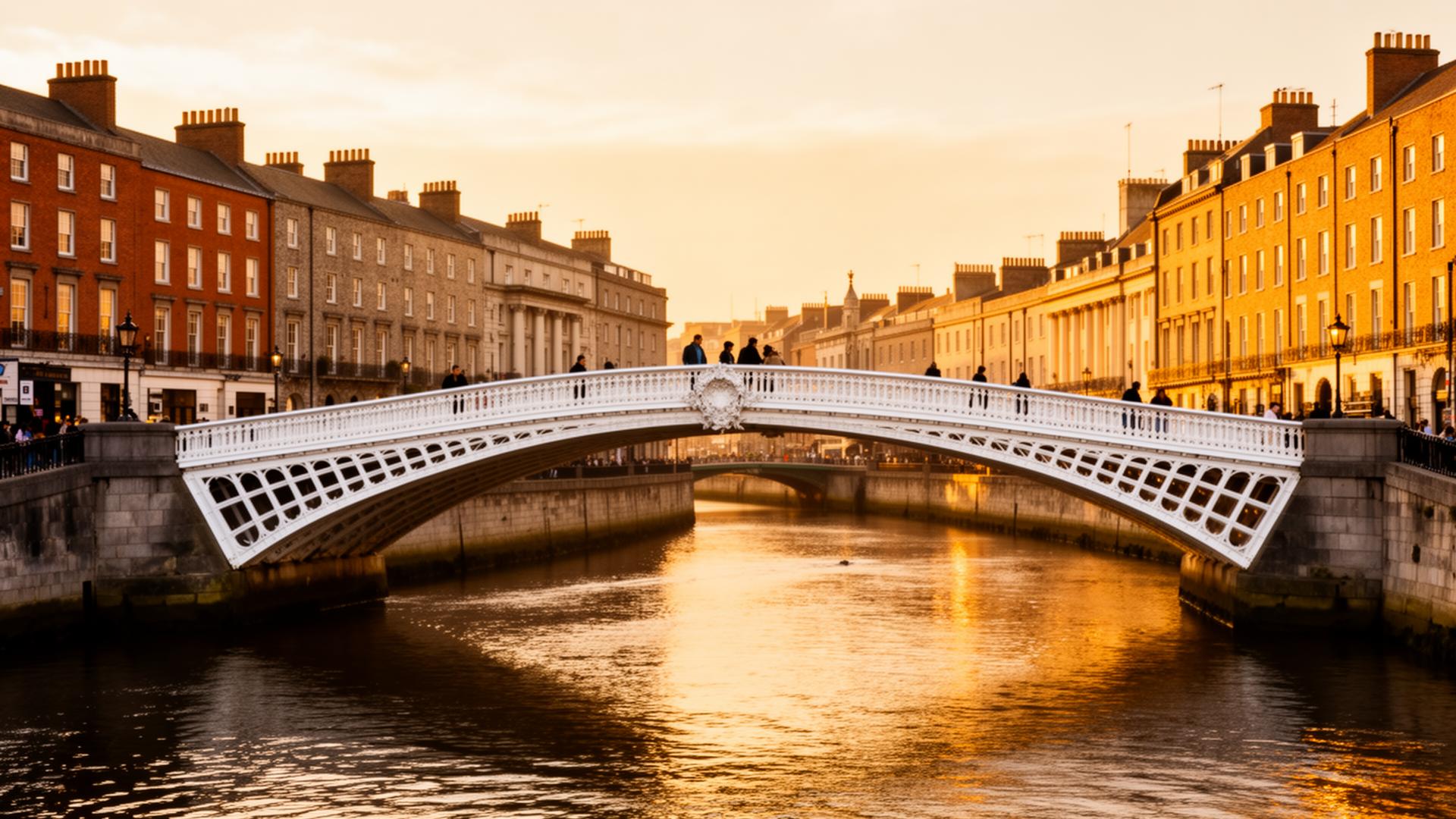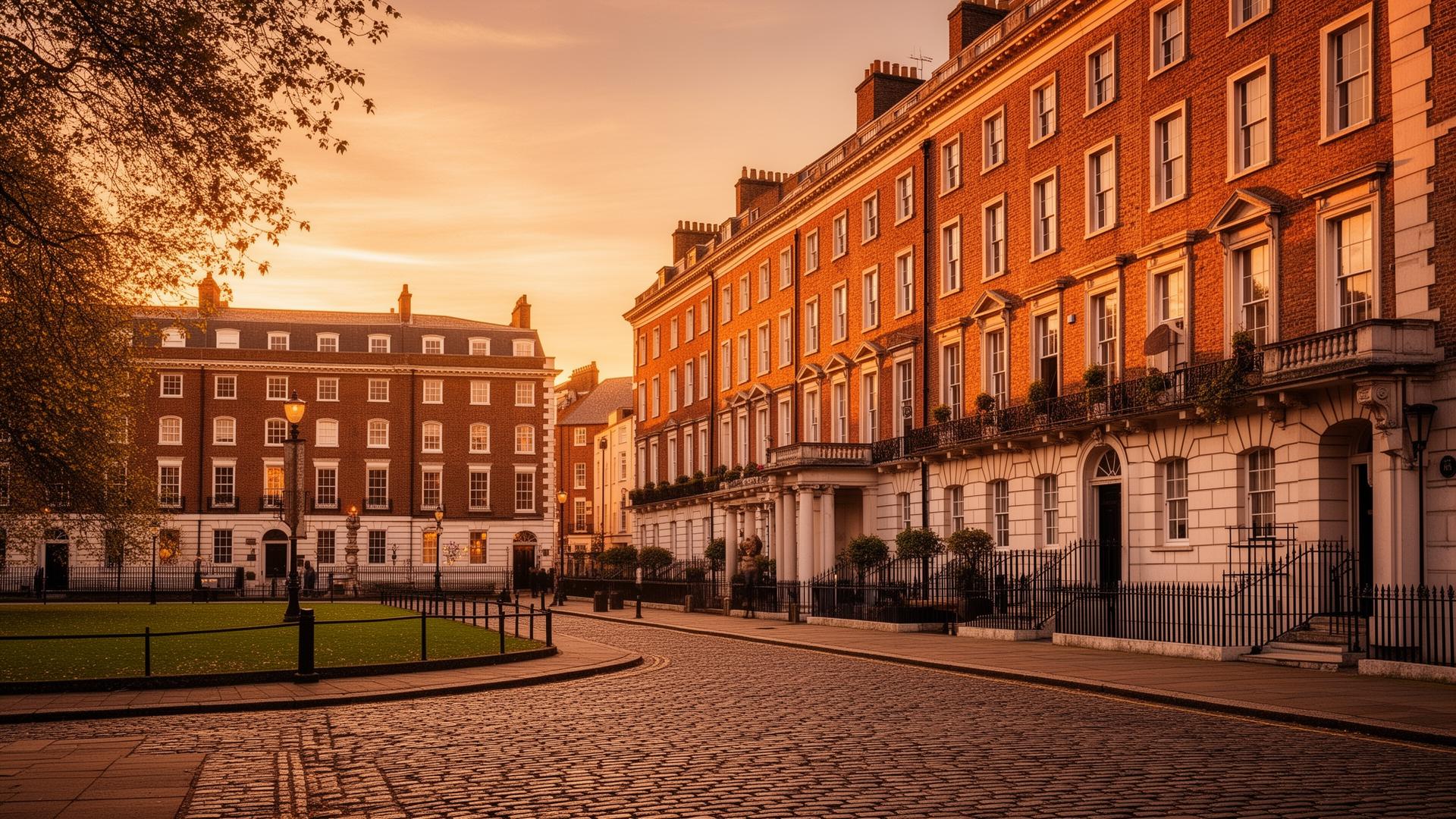
A Georgian doorway on Merrion Square, Dublin, in low morning light.

The Ireland Edit · Dublin

The Definitive Guide

Dublin, in one sitting.

The hotels, the experiences, the guides, and the neighbourhoods. Everything we send American friends the week before they arrive.

By Deborah Nunez, reporting from Dublin · Updated July 2026

We have lived in Dublin long enough to have watched every kind of visitor try to see it. What follows is the guide we would hand them ourselves: two hotels, ten experiences, four guides, four neighbourhoods, and the four essays we would read on the plane.

Read it in order. It is arranged the way we would arrange the trip.

Chapter One · The Rooms

The two hotels worth booking.

Every other Dublin hotel is measured against these two. Choose between art or address and let the city arrange itself around the choice.

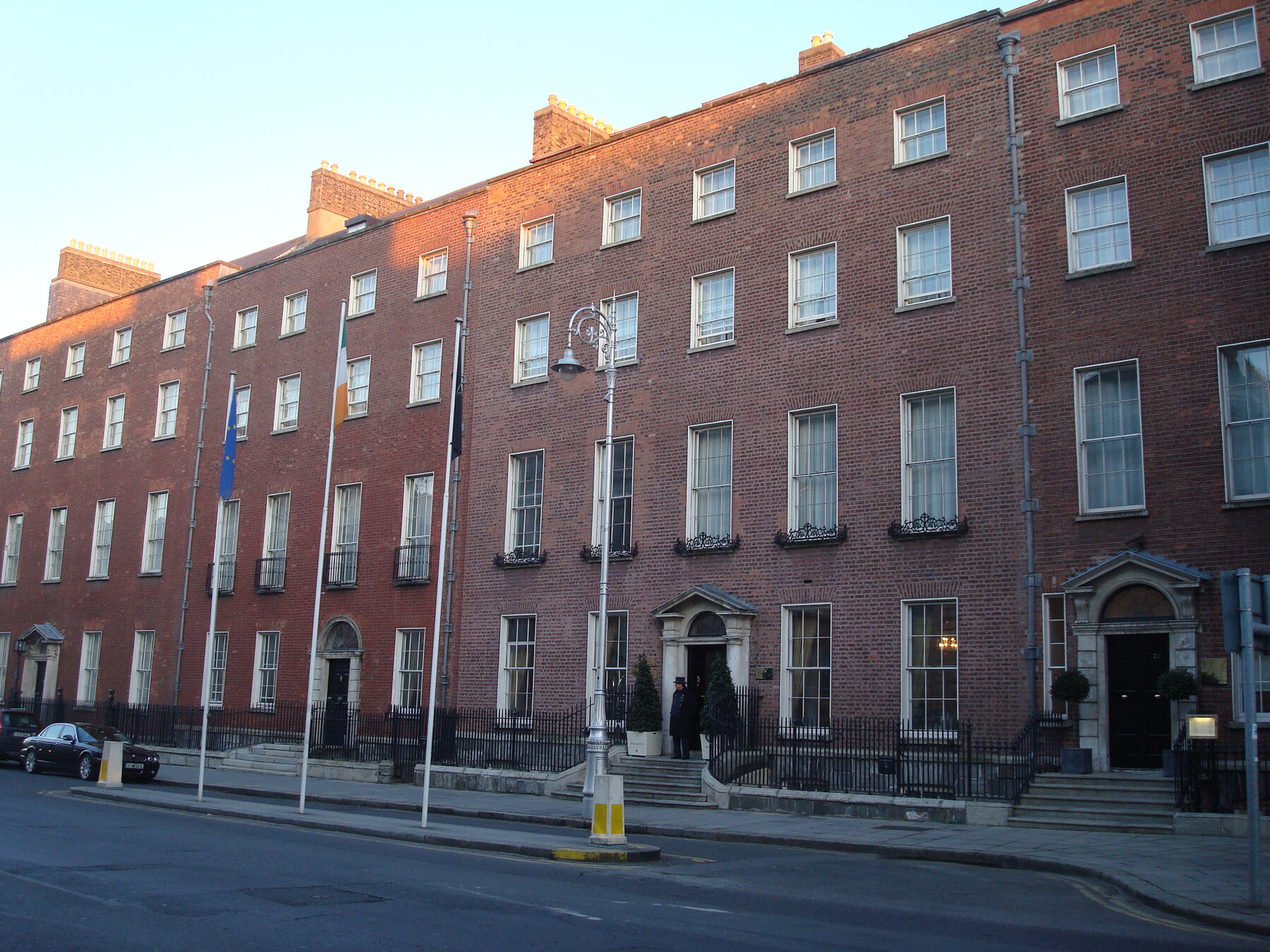
The Georgian townhouse façade of The Merrion Hotel on Upper Merrion Street, Dublin.

Upper Merrion Street · Dublin 2

The Merrion

The only Dublin hotel that reads as a continuation of the National Gallery across the road. Four townhouses, a private garden, and a collection of Irish art we send friends to see even if they are not staying.

Insider Perks

  • ·Best-rate guarantee
  • ·Room upgrade at check-in, subject to availability
  • ·Complimentary breakfast on qualifying stays
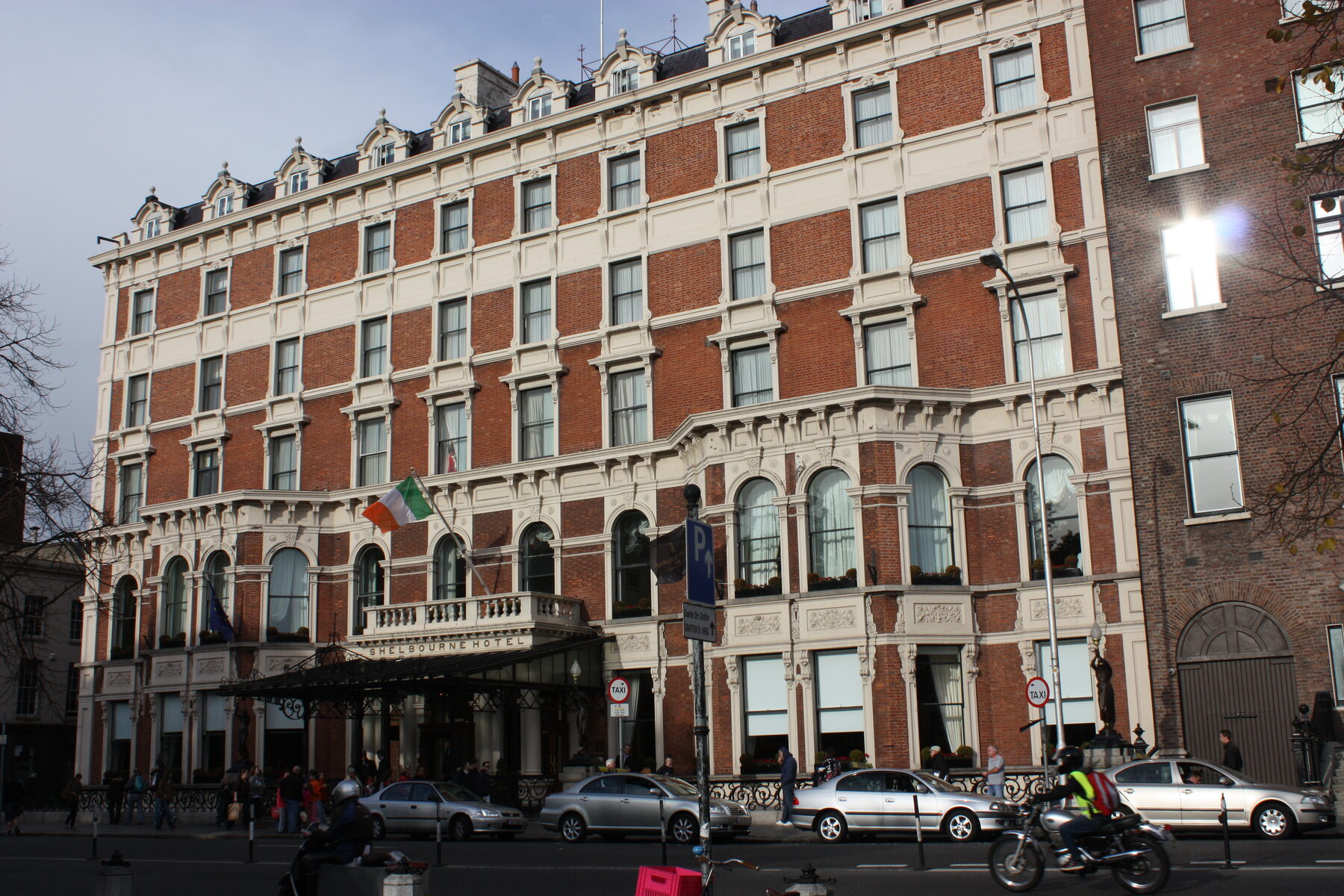
The red-brick façade of The Shelbourne on St Stephen's Green, Dublin.

St Stephen's Green · Dublin 2

The Shelbourne

The address is the point. The Horseshoe Bar is still where Dublin negotiates with itself; the green is still the green. Book a suite on the Green side and give the trip its ceremonial opening.

Insider Perks

  • ·Best-rate guarantee
  • ·Green-side room preference where possible
  • ·Late checkout on qualifying stays
The Quick Answer

The five things every American visitor to Dublin should do are the Book of Kells at Trinity College (book the 8:30am slot), the Guinness Storehouse Gravity Bar, a literary pub crawl, EPIC the Irish Emigration Museum, and a half-day to Howth or the Wicklow Mountains. Plan three full days minimum. The city is walkable, taxis are inexpensive, and the best restaurants need reservations two to four weeks ahead.

  • Minimum stay we recommend: 3 nights
  • First-entry Book of Kells slot: 8:30am, before the coach groups arrive
  • Best base areas: Merrion Square, St Stephen's Green, Temple Bar perimeter
  • Day trip favourite: Howth coastal walk plus seafood at Aqua

Related:3-Day Dublin Itinerarythe Dublin EditWhere to Stay in Dublin

Chapter Two · The Ten

Ten things worth doing in Dublin.

Not the ten most famous. The ten that repay attention. A coastal half-day, a graveyard, one Vermeer, and one pub crawl worth its price.

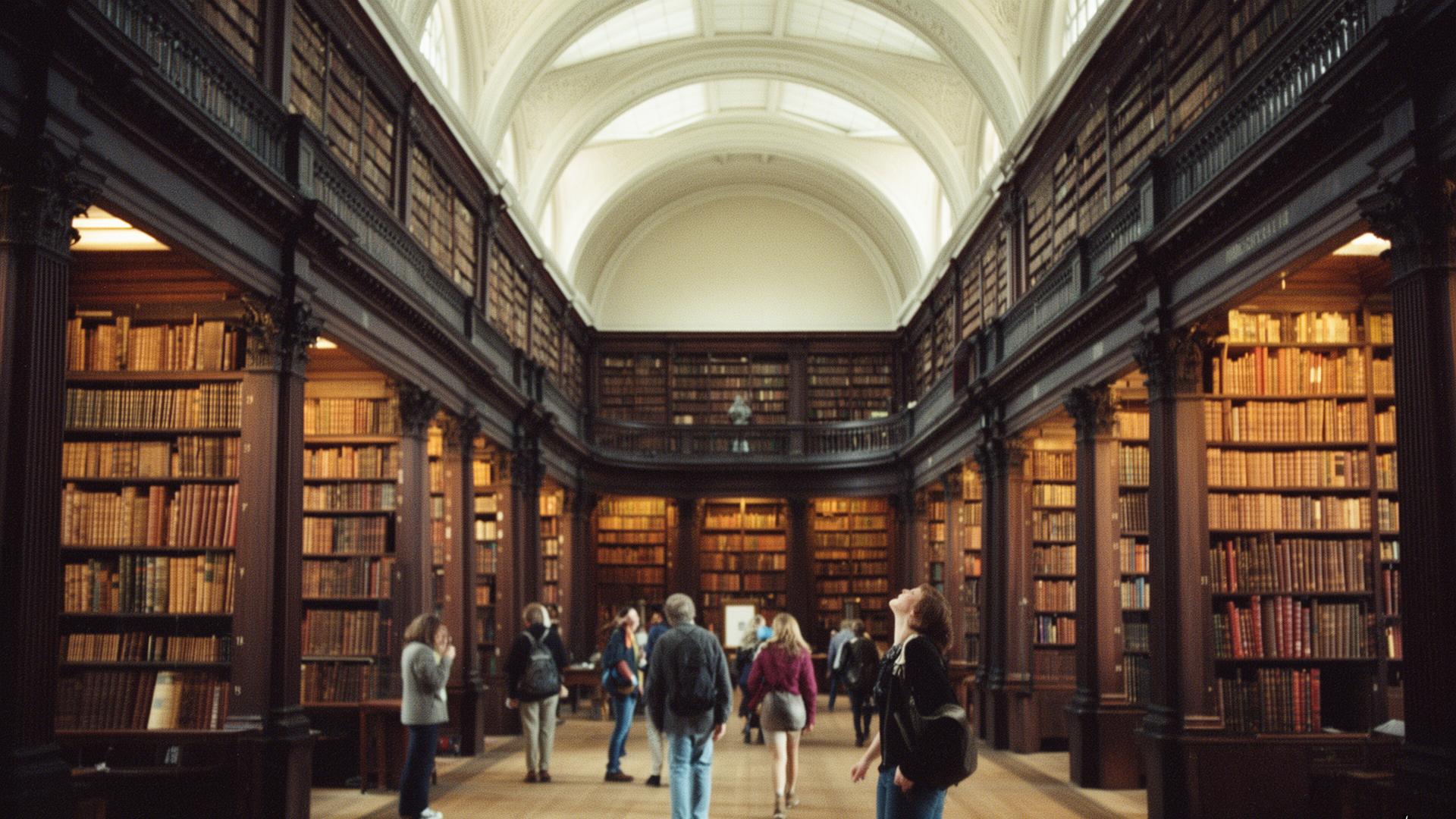
The Long Room library at Trinity College, Dublin, its barrel-vaulted ceiling lined with 200,000 leather-bound volumes.
No. 01

Trinity College, Dublin 2

The Book of Kells at 8:30 a.m.

Book the first-entry ticket. You will walk into the Long Room almost alone, before the coach parties arrive, when the light along the barrel-vaulted ceiling is still the colour of old vellum.

The manuscript itself is small and behind glass. It is the room above it that undoes you. Two hundred thousand books, marble busts of Swift and Locke and Berkeley, and the smell of two centuries of leather.

Give it forty-five minutes. Then walk out into Fellows' Square and let the morning open around you.

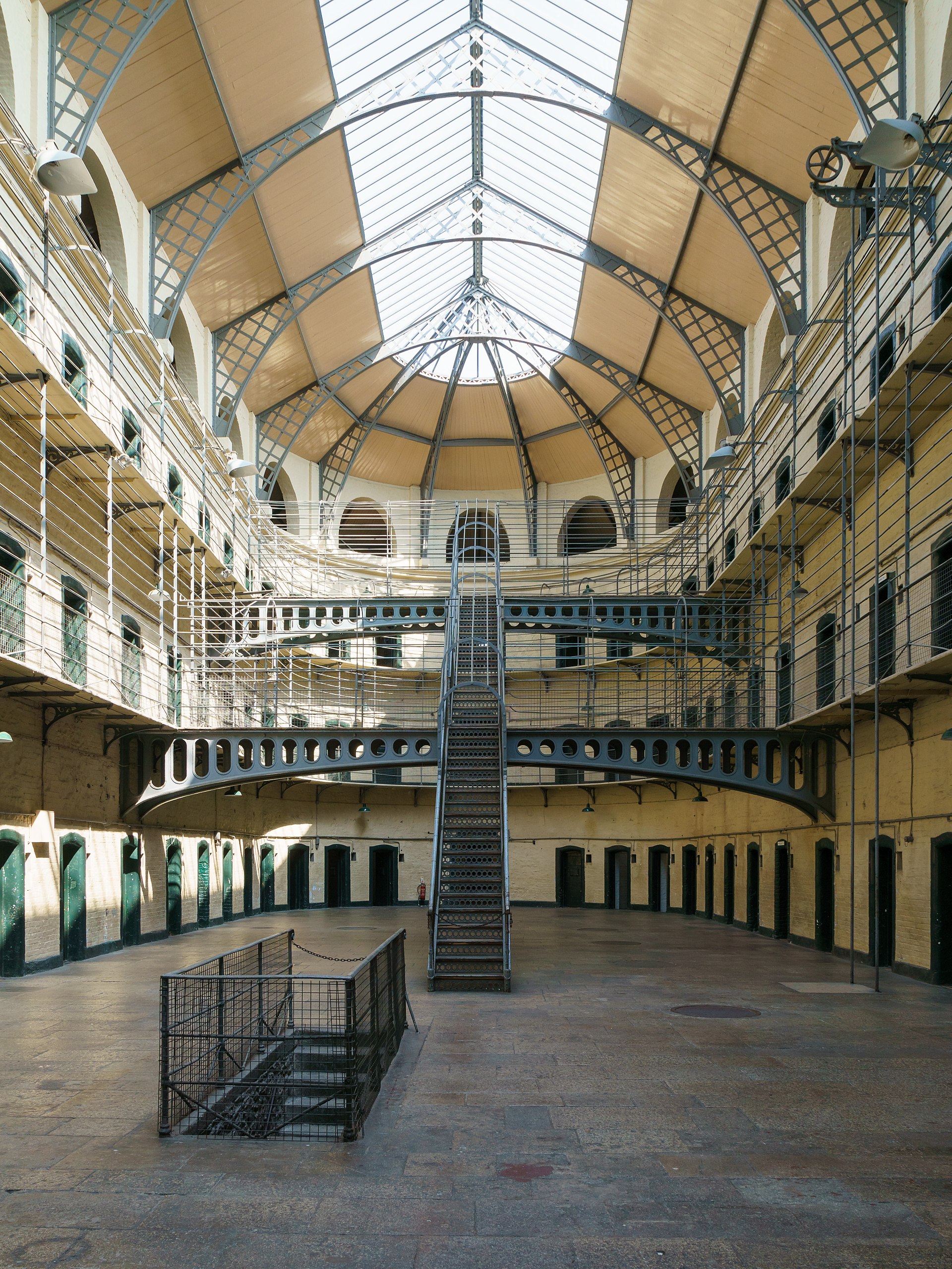
The East Wing of Kilmainham Gaol, Dublin, its cast-iron tiers rising under a domed skylight.
No. 02

Kilmainham, Dublin 8

Kilmainham Gaol

The most powerful hour you will spend in Dublin. The East Wing under its skylight, the cell doors, the courtyard where the leaders of the 1916 Rising were executed against a wall you can still touch.

Book online two weeks ahead. It sells out. The guides are exceptional. Do not skim on their tour.

You will come out quieter than you went in. That is the point.

The nineteenth-century facade of the National Gallery of Ireland on Merrion Square West.
No. 03

Merrion Square, Dublin 2

One Vermeer at the National Gallery

Free entry to a world-class collection. Everyone tells you to see Caravaggio's Taking of Christ, and they are right, but the room to sit in is the Vermeer.

Then the Yeats galleries upstairs, which no visitor ever schedules and which are among the best twentieth-century rooms in these islands.

Lunch in the courtyard café afterwards. Cross Merrion Square to keep the afternoon going.

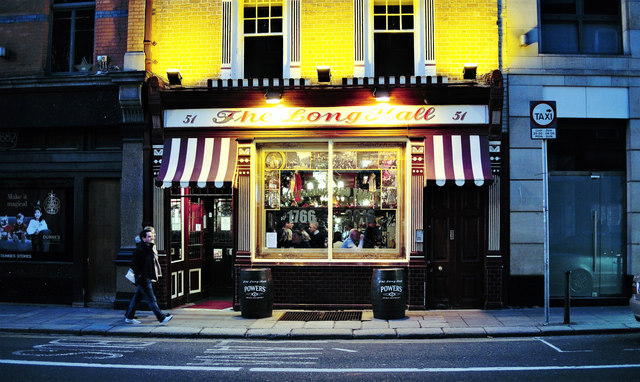
The Long Hall on South Great George's Street, Dublin, its Victorian mirrors and gaslamps at dusk.
No. 04

Duke Street, Dublin 2

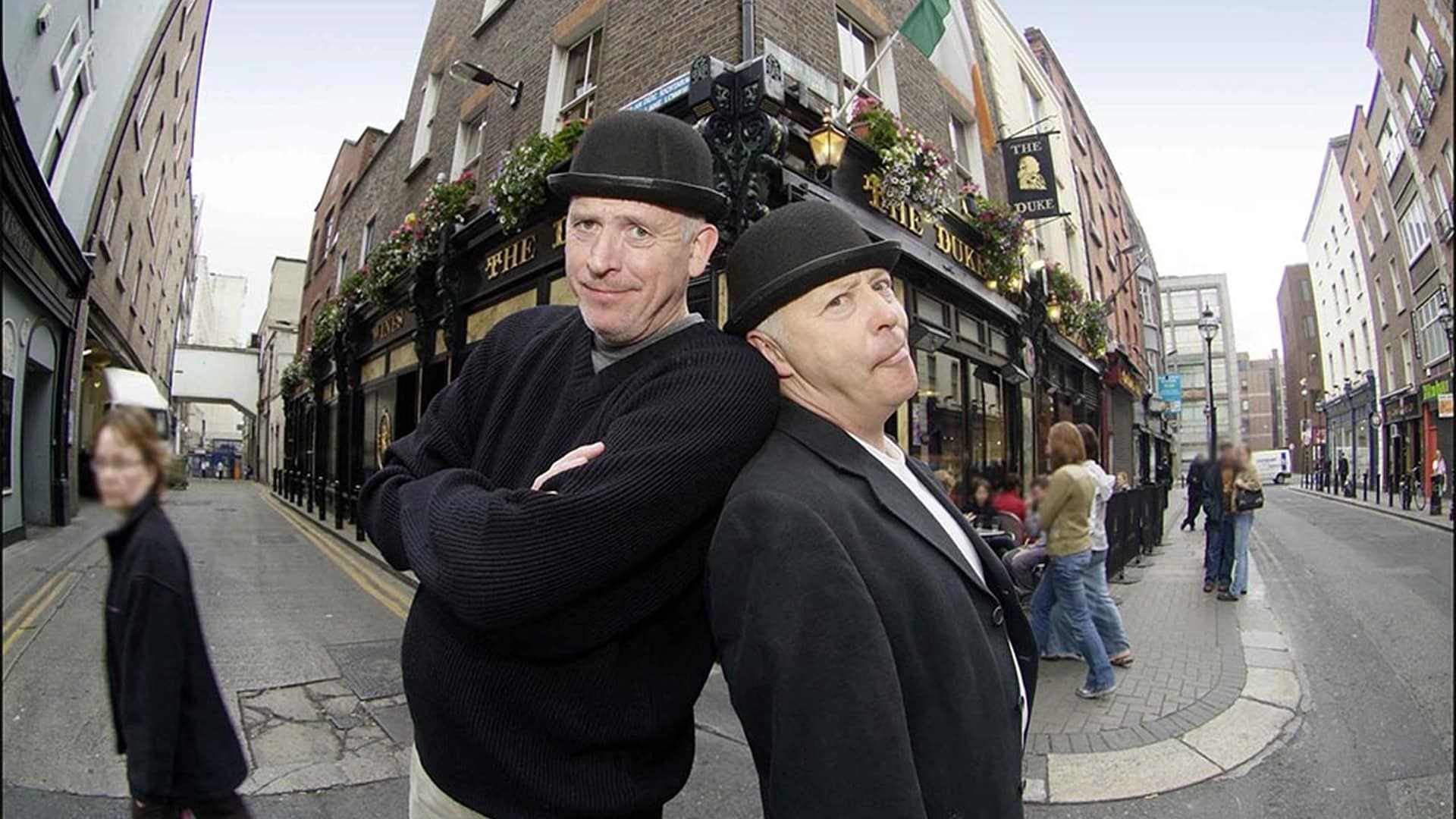
The Literary Pub Crawl

It sounds like a tourist product. It is not. Two working actors walk you through the pubs of Joyce and Beckett and Wilde, performing extracts as you go.

You will learn more about Irish literature in two and a half hours than in a semester. You will drink two pints in the right places at the right pace.

It is the single best evening we recommend to first-time visitors. Book the earlier slot and eat afterwards.

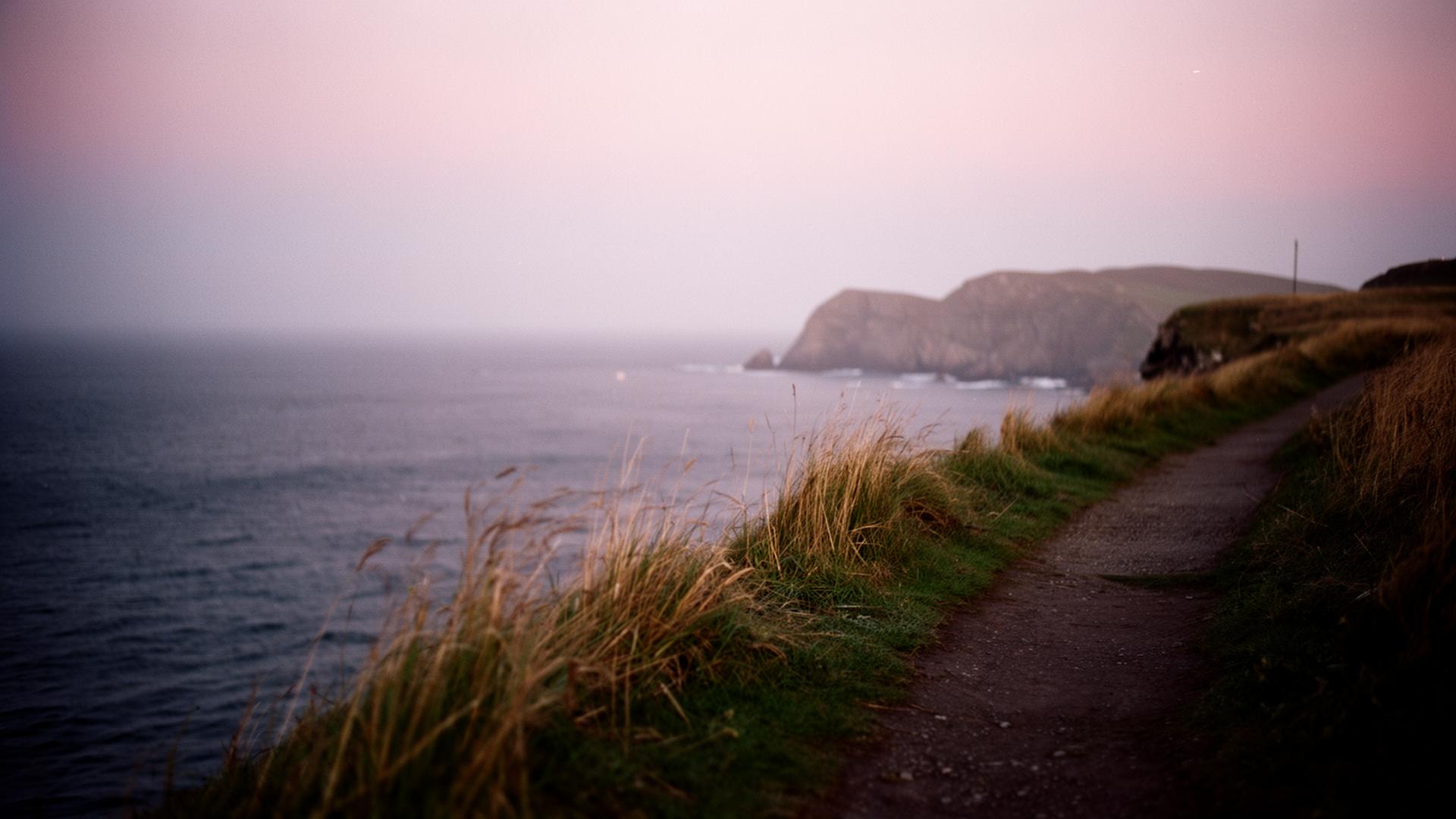
The Howth cliff path above Balscadden Bay, looking north toward Ireland's Eye.
No. 05

Howth, north of the city

The Howth Cliff Loop

Thirty minutes on the DART from the city centre and you are on a coastal path with views of Dublin Bay, Ireland's Eye, and on a clear day the Mountains of Mourne fifty miles north.

Six kilometres, three hours if you take your time, ending back at the harbour. Fish and chips at Beshoffs, or a proper lunch at Aqua on the pier if it is a Sunday.

The half-day that recalibrates the whole trip. Take it on the second morning, when the jet lag is still with you.

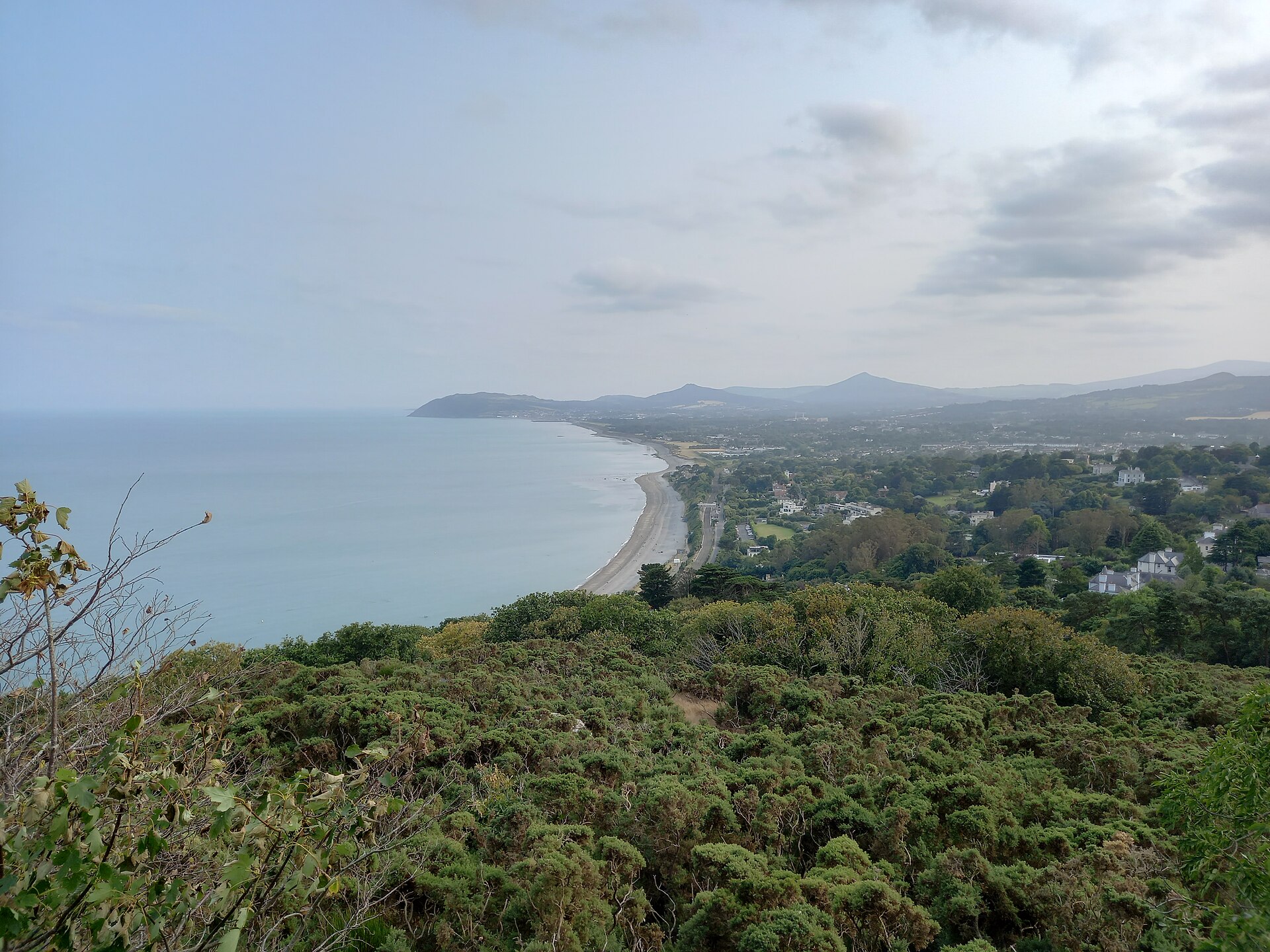
The view from Killiney Hill south over Killiney Bay toward Bray Head.
No. 06

South Dublin, on the DART

Dalkey and the climb up Killiney Hill

The southern coastal alternative to Howth. Take the DART to Dalkey, walk the village end to end, then climb Killiney Hill for the view that Bono famously compared to the Bay of Naples.

He was not wrong. On a bright afternoon the arc of the bay south to Bray Head is one of the great small views in Europe.

Coffee in Dalkey afterwards. The seven o'clock train home fills up with locals who have done exactly the same thing you have.

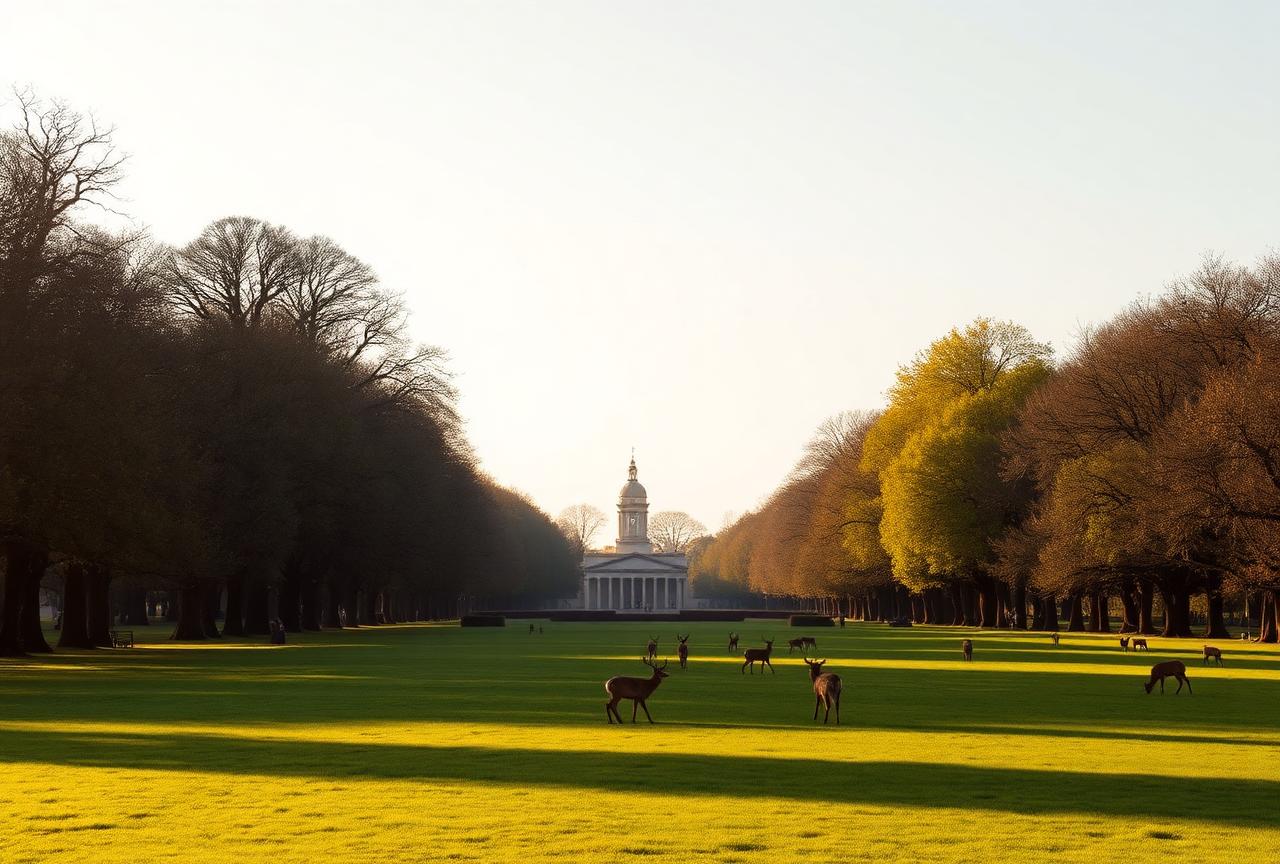
Wild fallow deer grazing in Phoenix Park, Dublin, with the Wellington Monument in the distance.
No. 07

Dublin 8, west of the city

An hour in Phoenix Park

One of Europe's largest urban parks, twice the size of Central Park. The wild fallow deer are the point. Walk out from Parkgate at four in the afternoon and you will find a herd of them within twenty minutes.

The Wellington Monument marks your bearings. The Victorian walled gardens at Farmleigh are the quiet reward at the far end.

Rent bikes if you have three hours. If you have one, walk to the deer and back and count it a good afternoon.

Copper pot stills at Teeling Distillery in the Liberties, Dublin.
No. 08

The Liberties, Dublin 8

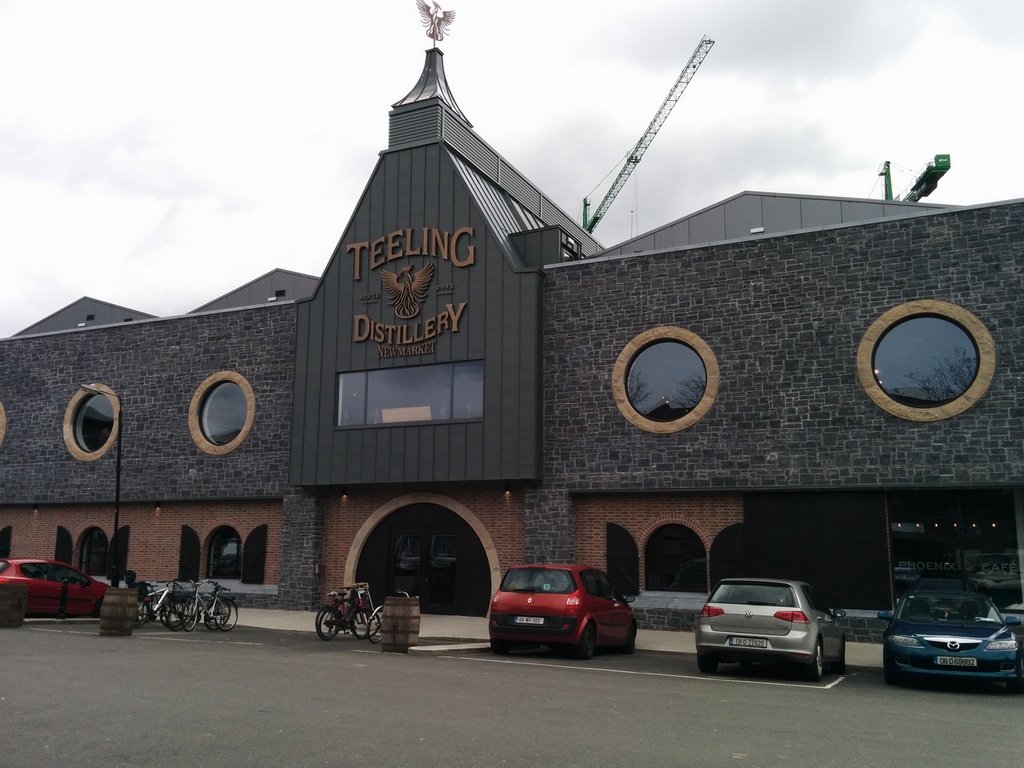
Teeling Distillery in the Liberties

The first new distillery to open in Dublin in a hundred and twenty-five years. Modest scale, serious whiskey, and a tasting room where the pours are honest.

Book the premium tasting. You will drink single malts you cannot find elsewhere in the city.

Upstairs there is Bang Bang, one of the best cocktail bars in Dublin. Slip in before dinner at Bastible around the corner.

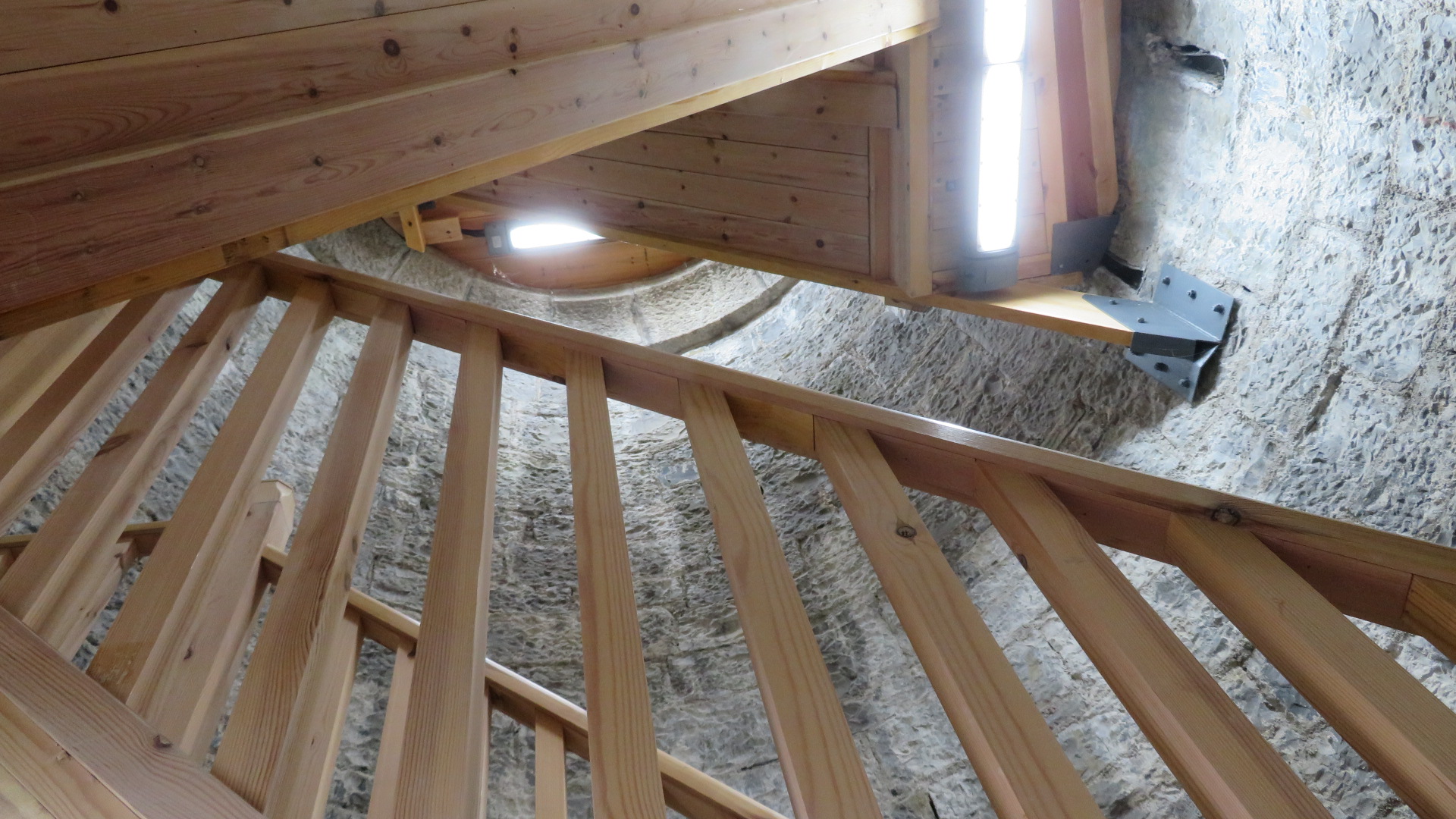
The round tower at the entrance to Glasnevin Cemetery, Dublin.
No. 09

Glasnevin, Dublin 11

Glasnevin Cemetery

Ireland's national cemetery. One and a half million people buried here, from Daniel O'Connell to Michael Collins to Maud Gonne.

The guided tour is the best history lesson in the city. Two hours, and by the end the twentieth century of Ireland is stitched together in your head.

Climb the round tower afterwards for the view. Then the Gravediggers pub next door, which is exactly what it sounds like.

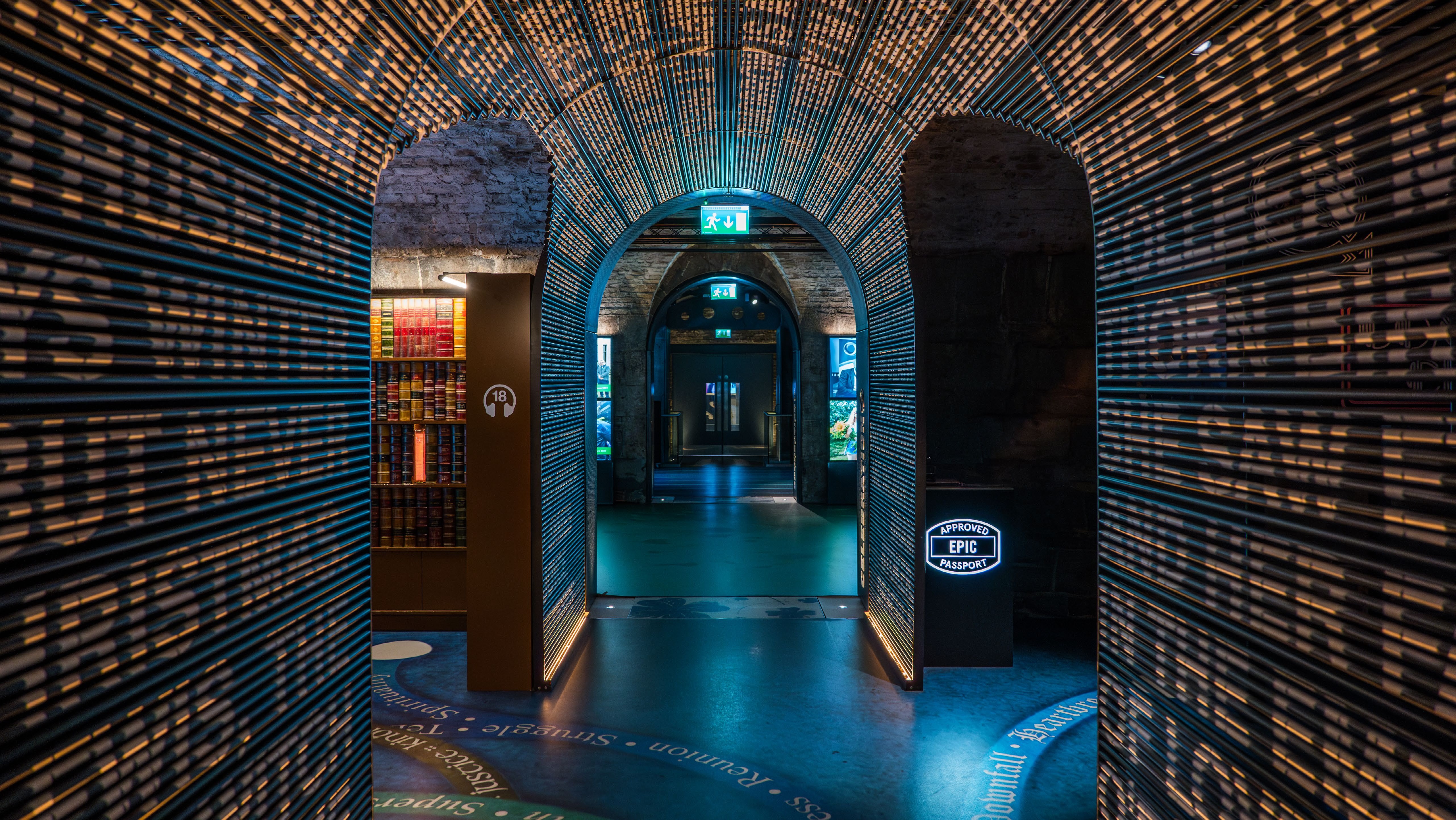
The vaulted brick interior of the CHQ Building, home of EPIC The Irish Emigration Museum, Dublin.
No. 10

CHQ Building, Docklands

EPIC, the Emigration Museum

If you have Irish ancestry, this is the room where the trip becomes personal. Twenty galleries under vaulted brick in the old CHQ warehouse on the docks.

Two hours, self-guided, better than you expect. The genealogy suite next door can trace your family in an afternoon if you have a name and a county.

End with coffee outside on the water. This is the Dublin the emigrants left, and the Dublin their descendants come back to.

Chapter Three · The Guides

What to eat, and where.

Four long-form guides to the rooms Dublin actually eats and drinks in. Written the way we would write to a friend the week before they arrive.

Chapter Four · The Neighbourhoods

Four Dublins, on foot.

The Georgian squares, the canal, the cobbles, and the docks. Where each neighbourhood begins, ends, and what to do while you are inside it.

Chapter Five · The Reading

Before you arrive.

The four essays we would read on the plane. Each one answers a question Americans ask us most; each one saves a day of the trip.

What we left off

And why.

The Guinness Storehouse. Skip it, or upgrade to the connoisseur experience. The standard ticket is a queue.

Temple Bar. Walk through it at ten in the morning to see the colour of the doors. Do not go back after dark.

Bus tours of the city. Dublin is small. Everything on this page is within a twenty-minute walk of Trinity, or a fifteen-minute DART from Pearse.

The Leprechaun Museum. We are sorry. We will not include it.

Reader Questions

Frequently asked.

How many days do you need in Dublin?

Three full days is ideal. Two is enough if you prioritise. Four if you want the city to open up properly and still take a coastal half-day out to Howth or Dalkey.

Where should I stay for a first trip to Dublin?

The Merrion or The Shelbourne, both in Dublin 2. The Merrion for art, quiet, and a garden; The Shelbourne for address, the Horseshoe Bar, and the green outside your window. Every other Dublin hotel is measured against these two.

What should I skip in Dublin?

Temple Bar after seven in the evening, the Guinness Storehouse standard ticket, and any restaurant on Grafton Street. The honest Dublin is always one street back.

Is Dublin walkable?

Yes. The entire Georgian core, Trinity, Merrion Square, St Stephen's Green, Grafton Street, and Temple Bar sit inside a twenty-minute walking radius. You will not need a taxi during the day.

What is the best time of year to visit Dublin?

Late May through mid-June, and all of September. Long daylight, mild weather, the crowds of high summer either not yet arrived or just left.

Is one day enough for Dublin?

It is enough for a first impression, not a trip. Trinity, the National Gallery, one pub, and a long dinner. Anything more and you are sprinting. Give the city two nights if you possibly can.

Last reviewed by the editors of The Ireland Edit