William Butler Yeats was born in Dublin in 1865 and spent his childhood years between London, where his father painted, and Sligo, where his mother’s family, the Pollexfens and the Middletons, owned the milling and shipping firms that ran the town. The Sligo holidays of his boyhood, summers at Merville on the edge of town and at Rosses Point on the harbour, became the imaginative furniture of every important poem he ever wrote. He did not grow up here in the technical sense. He grew up toward here.
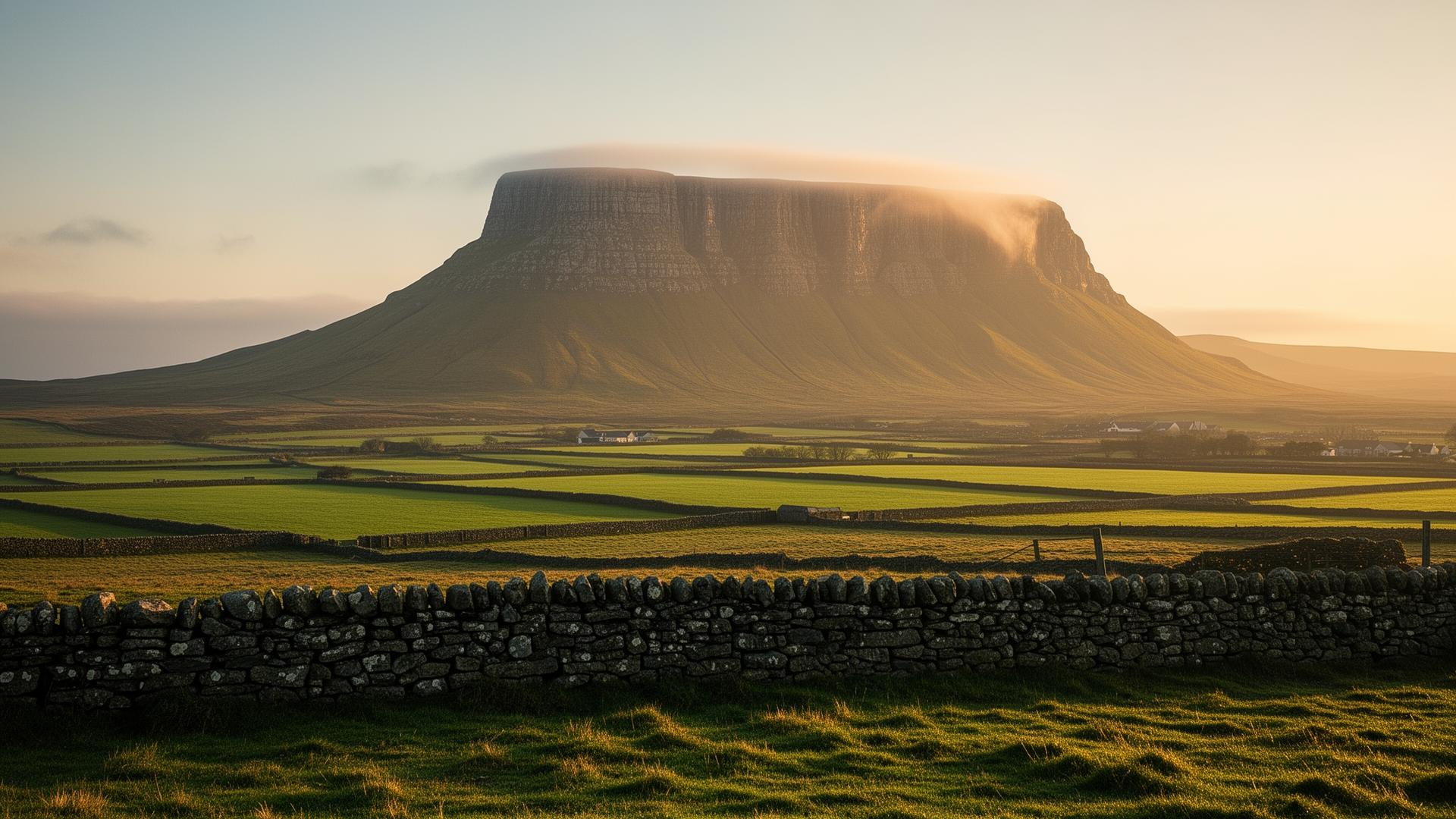
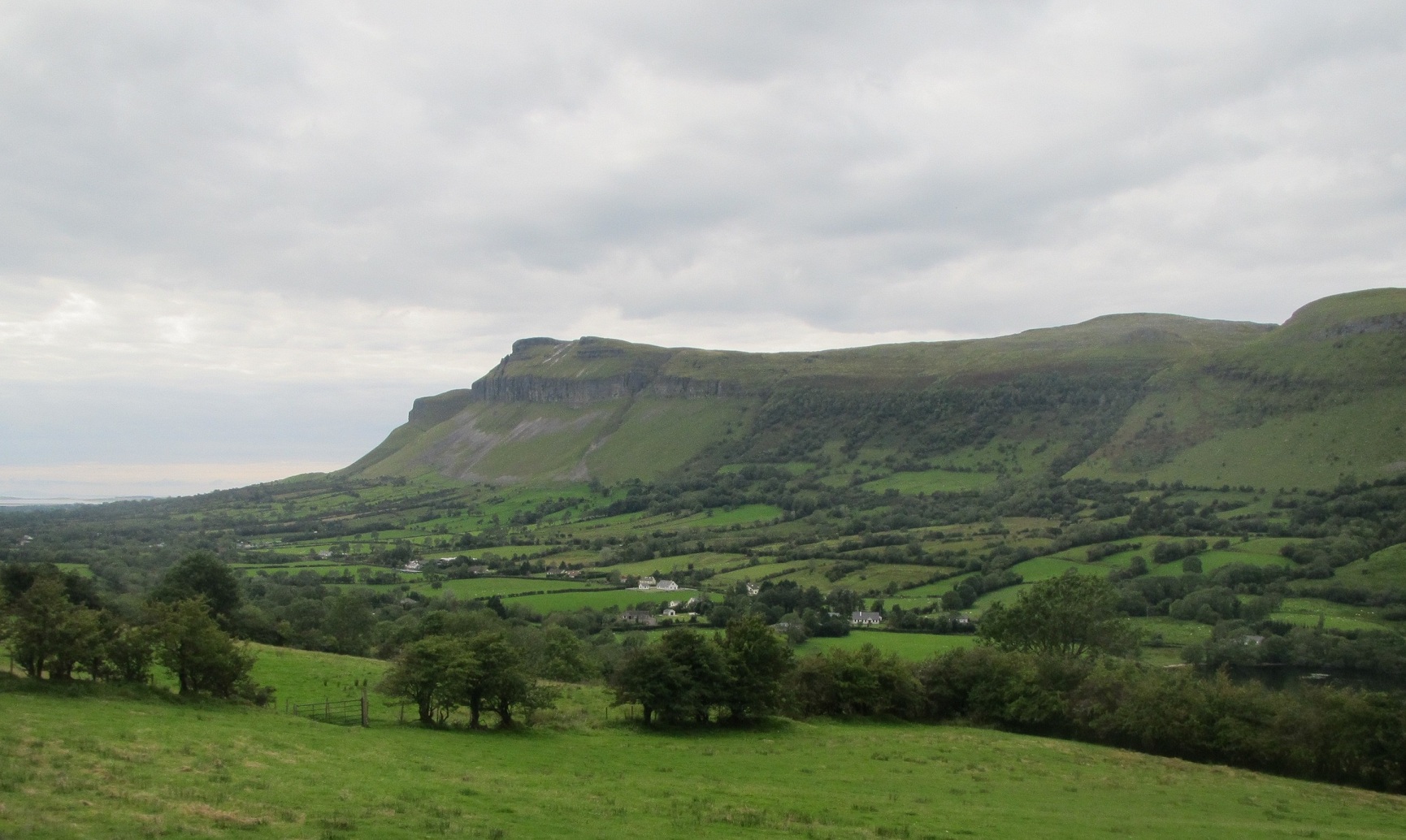
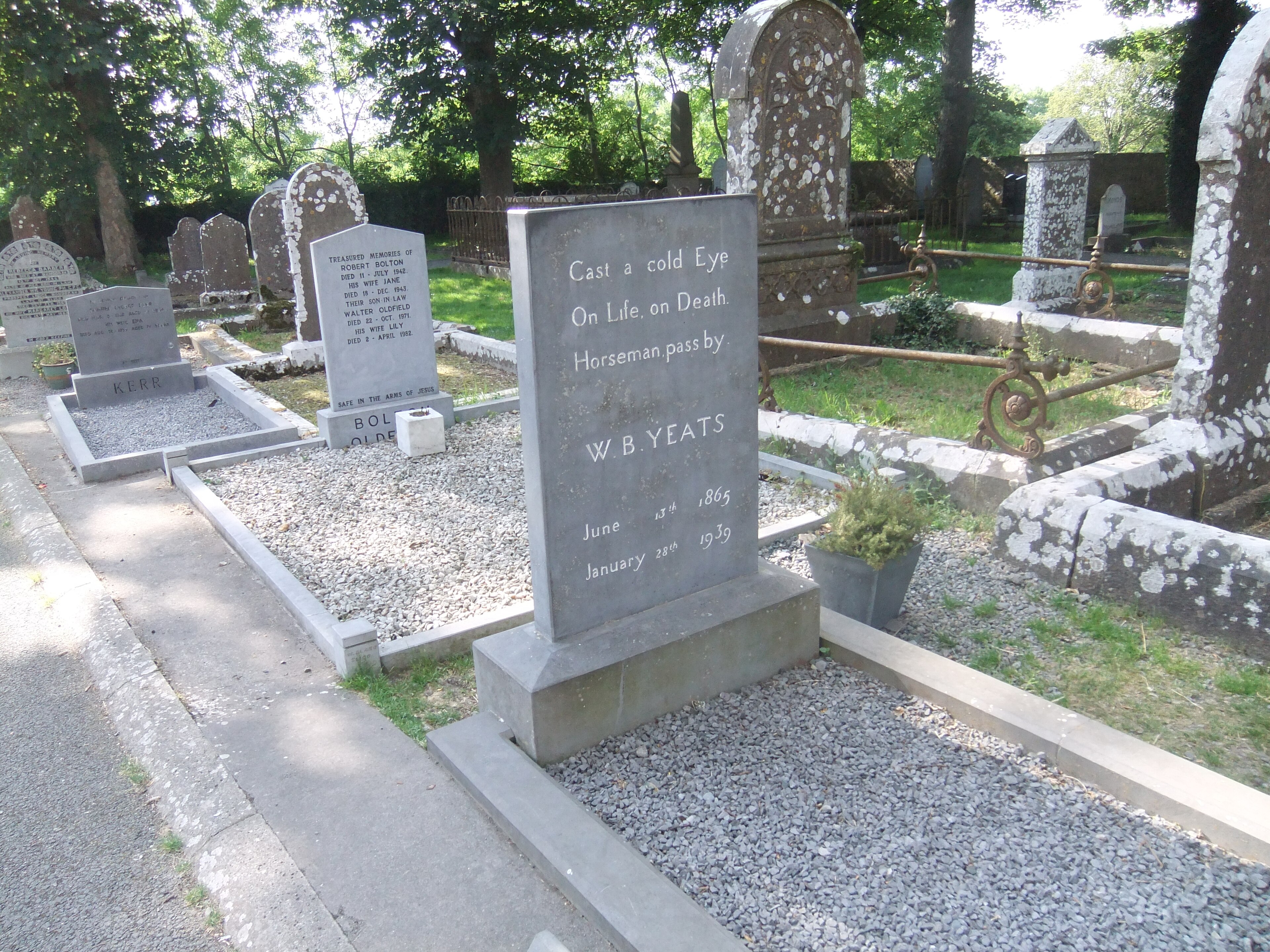
By the time he was old enough to choose his own myth, he had chosen Sligo. The Lake Isle of Innisfree, written in his late twenties in London, is a homesickness poem about a small island in Lough Gill on the Sligo/Leitrim border. The early plays drew on Sligo folklore collected door to door with Lady Gregory. The late poems, after decades in London and Dublin and the Italian and French rivieras, kept returning here. By the time he wrote his own epitaph in 1938, the year before he died at Roquebrune on the Côte d’Azur, he had already specified Drumcliffe churchyard, under Ben Bulben, and the words he wanted on the stone.
That choice is the centre of gravity for the entire region. He was buried first in France during the war and re-interred at Drumcliffe in 1948, with French naval honours and an Irish naval corvette to bring him home. His great-grandfather had been the rector at Drumcliffe in the 1810s, and the round tower beside the grave is the surviving ninth-century remnant of an even older monastic settlement at the foot of the mountain. Yeats placed himself, intentionally, inside a thousand-year-old continuity of saints, scribes, soldiers, and weather.
The other family of the region is the Gore-Booths of Lissadell House, a Georgian country estate on the coast a few miles north-west of Drumcliffe. Yeats first visited Lissadell as a young man in 1894 and never quite left. The two Gore-Booth sisters, Eva, who became a poet and labour organiser in Manchester, and Constance, who married Polish Count Markievicz and led troops in the 1916 Rising and became the first woman elected to the British House of Commons, are the “two girls in silk kimonos” of one of his most famous late poems. The Lissadell dining room is where that image was first seen. The library is where the older Yeats read late into the evening.