Most travellers arrive in Ireland with a plan that has been earned. The spreadsheet has been built. The hotels are confirmed. The route has been refined over a winter of evenings, with coffee, with maps, with the quiet pleasure of the trip becoming real before it has begun. We understand this. We have been those people. There is something deeply American about treating a trip as a project to be executed. The plan is a form of love. It is how we tell ourselves that the holiday matters. But the plan is also a frame, and the trip is what happens inside the frame. The trouble starts when the frame becomes so tight that nothing else can fit in.
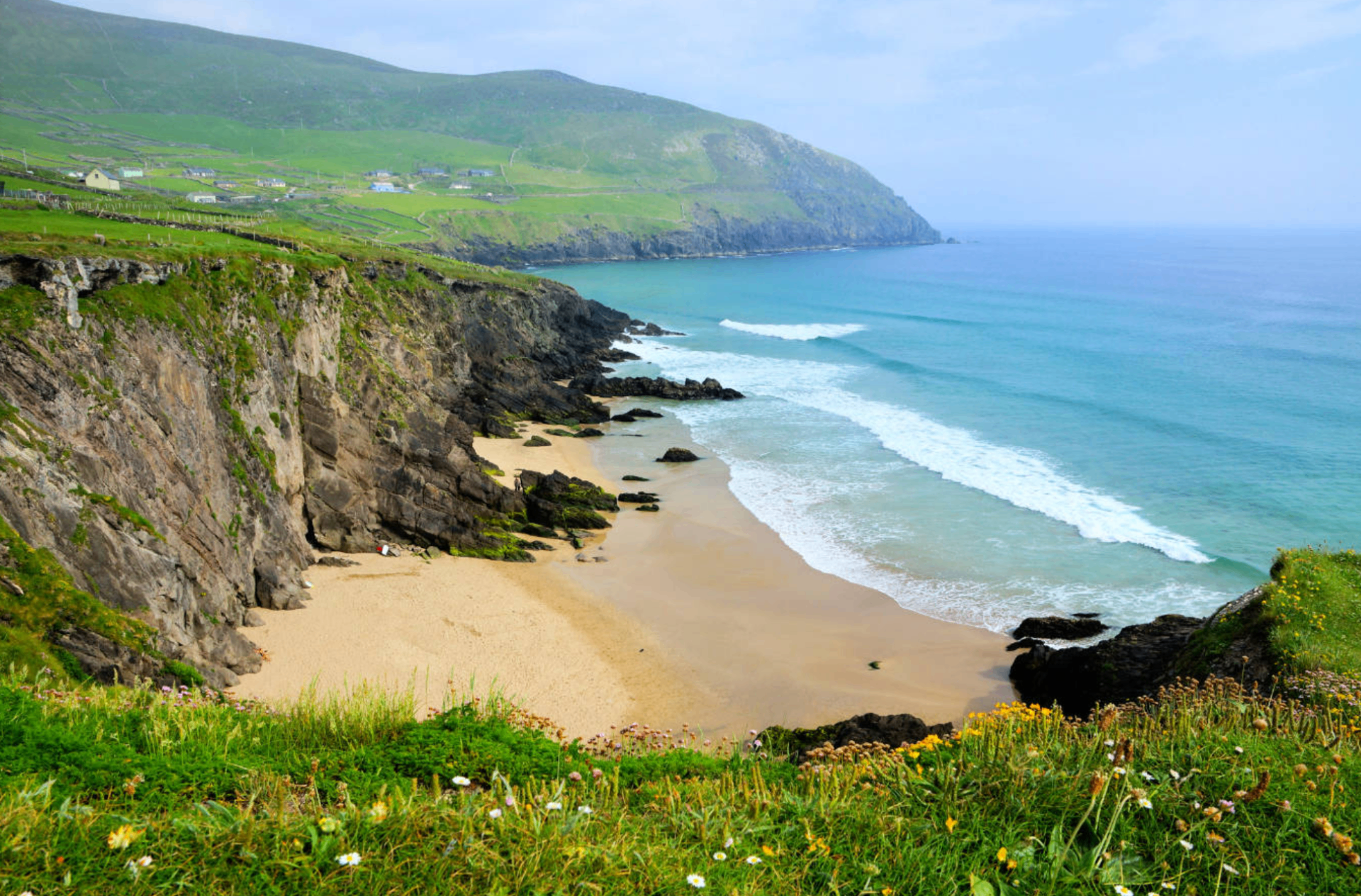
An itinerary is a framework, not a script. We say this to friends before every first visit. The framework is what gets you safely from Dublin to Connemara to Kerry without losing a day to logistics. The framework is what holds the hotels and the meals and the drives. But the framework cannot tell you that on Tuesday morning the sky will be the colour of slate and the light on the Atlantic will be a kind of light you have never seen at home, and that the right thing to do is stop the car and stand there for twenty minutes and look at it. That is not in the plan. That is the day finding you.
We watched a couple from New York try to do the entire Ring of Kerry in a single morning because the afternoon was promised to a castle two hours away. They drove past everything that makes Kerry worth visiting. They stopped for photographs at the points the guidebook had marked, took the photographs, and got back in the car. They arrived at the castle on time. The castle was fine. The Ring of Kerry was a blur of windows and parking lots. Six months later, when we asked what they remembered, it was a sandwich they had bought in a petrol station shop in Caherdaniel, eaten on a bench above the water, because they had built in fifteen minutes for lunch and the woman behind the counter had asked them where they were going next and given them directions to a beach. They remember the beach. They remember the sandwich. They do not remember the castle.
The stories survive. The schedule disappears. We have watched this pattern play out in living rooms in Connecticut and Florida and California for years. People come back from Ireland with a folder of confirmations they will never look at again, and one or two stories they will tell at dinner parties for the rest of their lives. The stories are almost always about something that was not planned. The detour. The conversation. The change in the weather. The pub at the end of a road they took by accident. It is as if memory has a quiet preference for the things that surprised you, and very little patience for the things that went exactly as expected.
Ireland is a country built for detours. The roads are small. The villages are close together. The distances on a map almost always overstate how much driving you have to do, and the time on a map almost always understates how long the drive will actually take, because something will slow you down. A tractor. A flock of sheep. A view that asks to be looked at. A sign for a graveyard you had never heard of that turns out to hold the bones of a fourteenth-century abbess. The country does not arrange itself for efficiency. It reveals itself sideways. The best discoveries in Ireland often arrive disguised as delays. The journey from A to B is rarely the point. The point is what happens when you stop in the middle.
There is a road in West Cork we drove for the first time by mistake. We had taken a wrong turn out of Bantry and decided to keep going rather than turn around. The road climbed and narrowed and eventually opened onto a stretch of coastline neither of us had ever seen on any map. We stopped at a pub that had three people in it and a fire going at three in the afternoon. We stayed for two hours. The barman recommended a hotel on the Beara Peninsula we had never heard of. We rebooked that night. The trip changed. The hotel we had originally booked in Killarney was fine, and we never stayed there. We have been back to that pub four times since. It would not exist in our lives if we had not taken the wrong turn.
We have a private name for the kind of meal that becomes the central memory of a trip. We call it a lunch that became dinner. It is the lunch you sit down to at two in the afternoon, expecting an hour, and stand up from at half past six because the second bottle of wine arrived without anyone exactly ordering it and the conversation refused to stop being interesting. The most memorable experiences in Ireland almost always become memorable because nobody rushed them. One drink becomes three. A walk becomes an evening. A planned hour at a country house breakfast becomes the entire morning, and the day that was supposed to start with a drive at ten in fact starts with a drive at one, and the drive is better for it because the rain has cleared and the light is suddenly extraordinary. The best moments usually overstay their welcome.
This is part of why we never recommend changing hotels every night. We have written about that elsewhere, and we will keep writing about it, because it is the single biggest mistake Americans make in planning an Irish trip. When you are moving every morning, the lunch that becomes dinner is impossible. There is no time for it. The bags are in the car and the next reservation is at four and the drive is two hours and there simply is no room for the day to do something unexpected. The hotel change is the enemy of the unplanned afternoon. The day that escapes the itinerary requires a day that has room to escape.
This is also why we design itineraries with deliberate space inside them. Not empty days exactly. But days with one anchor, not four. A breakfast you can take slowly. A drive that does not have to be done by lunch. An afternoon with nothing scheduled because the morning might run long, or the rain might come in, or the walk might turn out to be the walk you want to keep doing for three hours instead of one. Space is not wasted time. Space is where the trip happens. The plan that fills every hour leaves no room for the country to behave like itself. The plan that leaves room is the plan that gets the best out of where you are.
We have come to believe that the real purpose of planning is not to predict the trip. It is to make the unexpected easier to enjoy. The reservations exist so you do not have to think about dinner when something more interesting is happening at five in the afternoon. The hotels exist so you have a soft place to come back to when the day has been long and unplanned and a bit damp around the edges. The route exists so you know roughly where you are going, which means you can afford to stop along the way. A good itinerary creates confidence, not control. The confident traveller is the one who can let the day take an unexpected shape, because the bones of the trip are already in place.
When we ask people what they actually remember about their week in Ireland, it is almost never the things on the confirmation emails. They do not tell us about ticket numbers or restaurant booking times or which evening the spa appointment fell on. They tell us about the rain on the windscreen on the road to Glengarriff. They tell us about the woman in the pub in Dingle who recited a poem from memory in Irish and then translated it line by line in English. They tell us about the lunch in Doolin that ran into the music session that ran into the second pint. They tell us about the fire at Gregans Castle, and the conversation at the bar with a couple from Cork they will probably never see again. Memory has very little interest in efficiency. Memory keeps the things that felt like something.
Ireland rewards attention more than movement. This is the line we keep coming back to in every essay we write about this country, because it is the line that explains almost everything. The visitor who covers nine counties in seven days sees nine counties from a car window. The visitor who covers three counties in seven days sees three counties from the inside. The trip that leaves room for surprise almost always finds more than the trip that tries to control every hour. The best day of your trip will probably not be the one you planned most carefully. It will be the one that quietly escaped the plan altogether. Leave room in the itinerary for the day you have not imagined yet.