
Played June 2026, on a still Kerry evening at the mouth of the Inny
Waterville sits at the end of the Ring of Kerry, on a spit of land where the Inny River meets Ballinskelligs Bay, and it is the only great Irish links course that most visiting Americans have to be talked into. The drive from Killarney is two hours of narrow road along the Iveragh Peninsula, and the drive back is the same road in reverse. What waits at the other end is the course that Payne Stewart, in the last summer of his life, called the finest links he had ever played. Sam Snead played it. Tiger played it. Every Ryder Cup captain since Tom Watson has quietly made the pilgrimage. It is not a course you drop into on the way to somewhere else. Waterville is the somewhere else, and the round is longer than the eighteen holes it takes to play it.
Waterville, Plainly
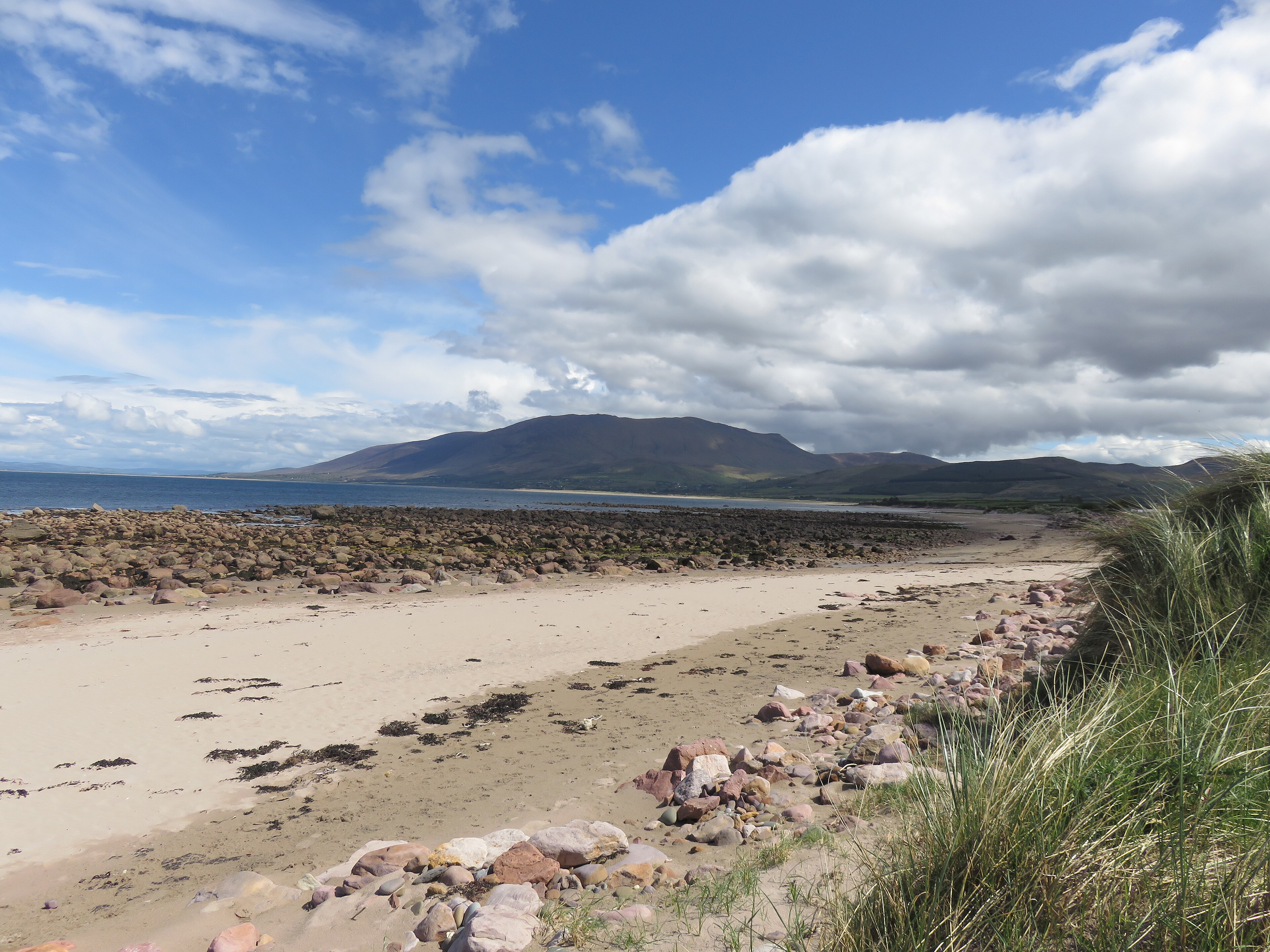
The links at Waterville was reimagined in 1973 by John A. Mulcahy, an Irish-American who bought the land, hired Eddie Hackett to route the course, and made it the private links he wished existed. Tom Fazio revised the front nine in 2006 and left the back nine essentially untouched, which is how it should have been. The course plays 7,347 yards from the tips, par 72, and its defence is not length. It is stillness. Waterville is one of the calmest pieces of land on the Iveragh Peninsula, sheltered by the dunes on the seaward side and by low hills to the east, and the wind is often softer here than it is at Ballybunion or Tralee two hours north.
That calm is the trap. Visitors arrive expecting the coastal wind to defend the course, and it does not defend it in the way they are ready for. What defends Waterville is the routing, the greens, and the fact that the back nine is the harder nine by a full three shots. You do not lose your round on the front, which is receptive and welcoming and lets you think you have Waterville figured out. You lose it starting at the eleventh, when the course walks you out to the far corner of the property and asks you to be a better player than you have been all week.
The Front Nine, And Why It Lies To You
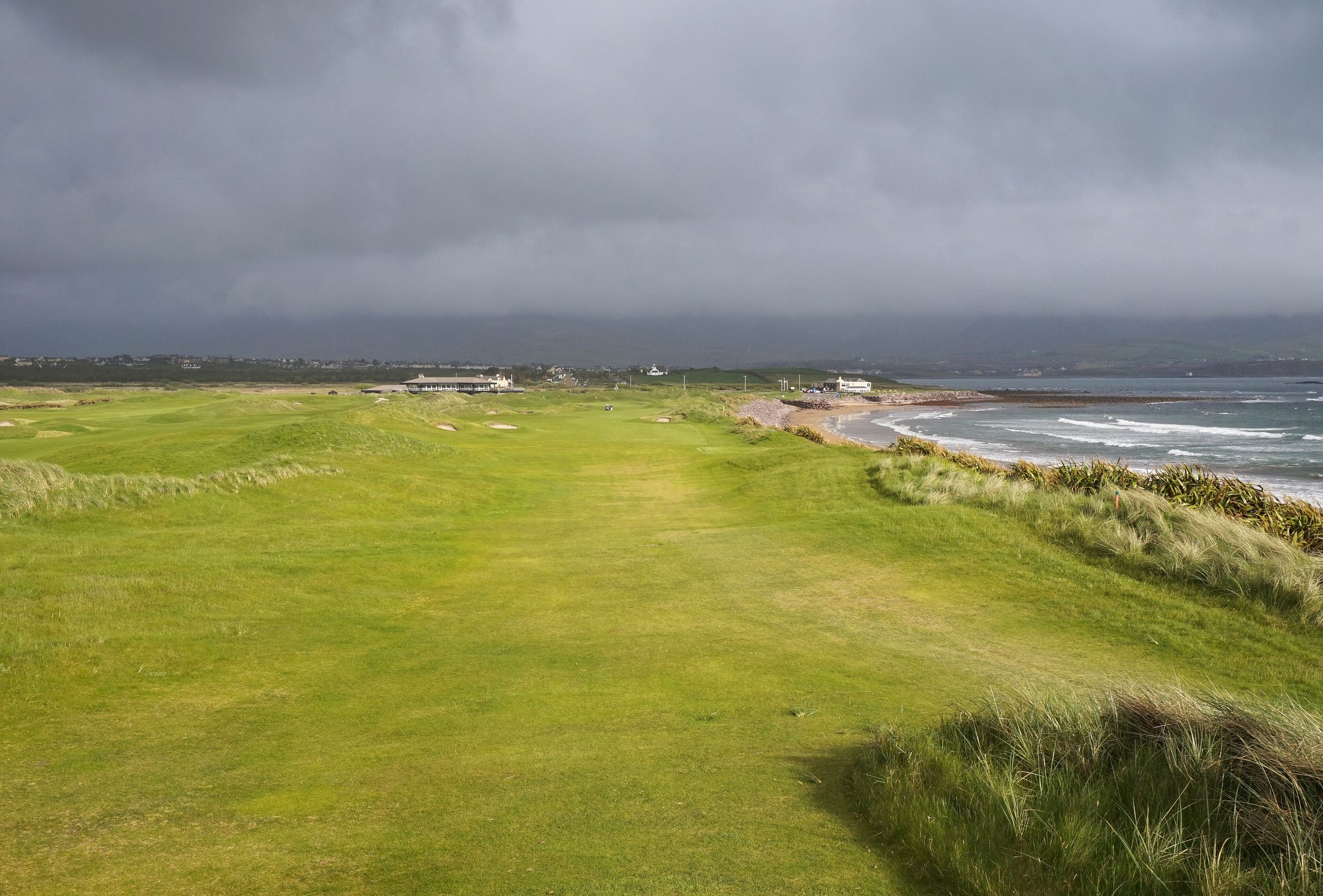
The first six holes at Waterville are the friendliest opening in Irish links golf, and none of them is short. The 1st (445 yards, par four) is a wide fairway that gathers even a moderate slice, and the green is receptive to a running approach. The 2nd (464 yards, par four) tightens up but the second shot is straightforward. The 3rd (425 yards, par four), the 4th (199 yards, par three) and the 5th (586 yards, par five) read like a warm-up in a way the yardages do not: they let you find rhythm, find the wind, and start believing the round is going to go well.
The 6th (194 yards, par three) is where the first real question is asked. It plays across a wetland to a green sitting on a slight platform, and the miss is left, which is the miss most Americans have on a long iron off the tee. The 7th (424 yards, par four) runs downhill to a green protected front and right by bunkers, and the 8th (436 yards) and 9th (445 yards) are two more par fours you will make par on if you keep the ball in play. You will come off the ninth green at one over or level, and you will think you are inside Waterville. You are not. You have not started.
The Eleventh, And The Walk Out
The 10th (475 yards, par four) is the transition. It plays uphill and away from the clubhouse, and it is the last hole where anything on the card is easy. From the tenth green you walk out to the eleventh tee, and you understand why people who have played this course for forty years still talk about it. The 11th (498 yards, par five) is called Tranquility, and it is one of the most beautiful pieces of routing in world golf. The tee is elevated above a valley of dunes. The fairway runs downhill through the dunes and turns slightly left to a green sitting inside its own bowl of grass. There is no wind here because the dunes on both sides eat the wind. It is silent, and the silence is the shot.
We play it three-wood off the tee, then a mid-iron lay-up, then a full wedge in. It is reachable in two if the ground is running, and the temptation to reach for it is what breaks the round. The green sits down between the dunes and a long approach that leaks right goes into rough you will not find. The play is to hit two shots to a hundred and take the four. What the hole gives you, if you accept it, is the moment the round becomes the trip. There is no photograph of the eleventh at Waterville that looks like the eleventh at Waterville. You have to walk it.
The Twelfth Through The Sixteenth
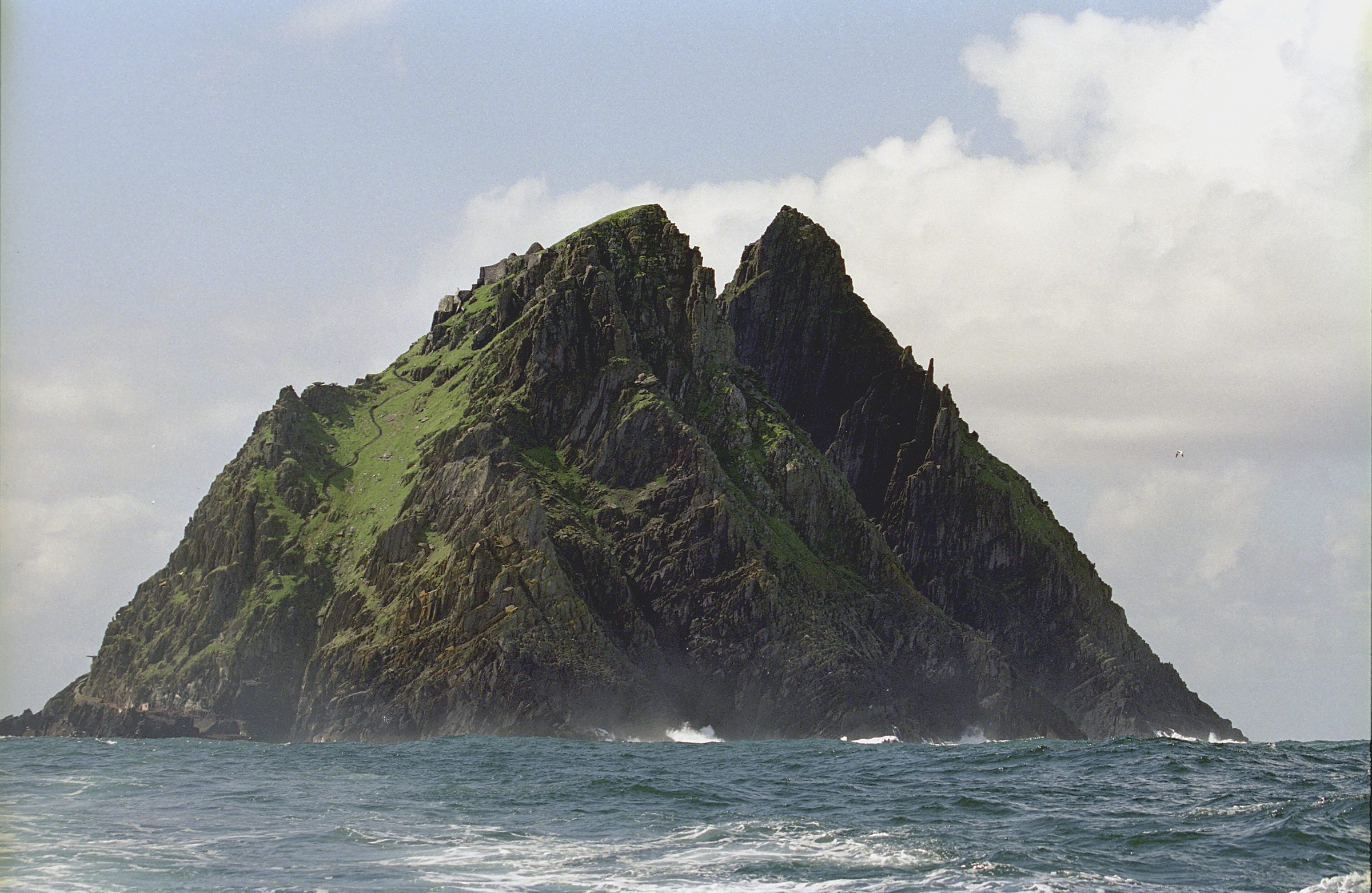
The 12th (200 yards, par three) is called The Mass Hole, named for a hollow behind the green where a priest is said to have said Mass in secret during the penal times. It plays across a valley to a green benched into the slope, and the shot is one club more than the yardage suggests. Long is dead. Short is a chip you can save. The 13th (504 yards, par five) walks along the estuary toward the Skelligs and the fairway pinches at the two-shot landing area. The 14th (456 yards, par four) is the strongest par four on the back nine, into the prevailing breeze, and the green is small and quick.
The 15th (428 yards, par four) is deceptive. The fairway is wide and the second shot looks straightforward, but the green is elevated and firmer than any green on the property, and the run-off to the front is severe. Play the second shot to the back edge of the green, always, and take your two putts back to the pin. The 16th (386 yards, par four) is the last honest scoring hole. Downhill drive, wedge in, take your four and walk to the 17th tee knowing the round is about to end well or badly.
The Seventeenth And The Statue
The 17th (194 yards, par three) is called Mulcahy's Peak, and it is the tee that photographs make famous. It sits on top of the highest dune on the property, and the view stretches from the Skelligs in the west to the MacGillycuddy's Reeks in the east. The green is a shade under two hundred yards below and the wind is different up here than it was at the sixteenth green. What we do is take the club we would take at ground level, one more for elevation minus one for the wind we think is behind us, and swing softly. The hole is not as hard as its view. The hole is a mid-iron to a receptive green. The mistake is being distracted by the view and swinging at 110 percent.
The 18th (588 yards, par five) closes the round with a long walk back toward the clubhouse. The fairway runs along the estuary on the left. The second shot is a lay-up. The third is a full wedge into a green protected by two front bunkers, and the round ends. What waits on the range side of the clubhouse is the Payne Stewart statue. Waterville is the course where Payne Stewart practiced in the summer of 1999 before the Ryder Cup at Brookline. He was named an honorary captain of the club. The statue was erected the year after his death, and the tradition is that visiting American players walk out to it before or after the round. We think this is the right thing to do. Waterville is a course that keeps its people, and the statue is the club making that plain.
The Wind, The Ground, And The Ball You Hit Here
The wind at Waterville is the wind of the Iveragh Peninsula, which is a rotating wind. It comes off the Atlantic in the morning, turns onshore by mid-afternoon, and dies at dusk. The best tee time here is the last of the morning wave, around eleven, because you get the softer wind on the front nine and the freshening onshore breeze on the back. The ground is faster than Ballybunion and slower than Portmarnock. Approach shots that land at pin-high release five to eight yards past the pin. Plan your yardages to land the ball on the front edge on every approach and let the ground do the work.
The ball we hit here is a Pro V1x or the equivalent. The ball that spins too much off firm ground gets away from you at Waterville because the greens repel spin in the afternoon breeze. Take a low-spin ball, take a caddie, and take the tees your handicap actually plays. The Championship tees at 7,378 are for the Irish Open. The blue tees at 6,900 are the honest number for a scratch amateur. The whites at 6,500 are the honest number for a 10-handicap. Every American we have watched push the tee back has run out of golf by the fifteenth.
How To Fold Waterville Into A Trip
Waterville is not a course you play on the way to somewhere else. It is a destination, and the trip is the Ring of Kerry as much as it is the round. What we do with visitors who want to play Waterville is anchor them at Sheen Falls Lodge or Park Hotel Kenmare in Kenmare, drive the Ring clockwise in the morning, tee off at eleven, and drive back to Kenmare in the evening light. It is a long day, but it is one of the great days of Irish golf. The alternative is to stay one night at the Butler Arms in Waterville village, which is where the club has always sent visiting professionals, and to play a morning round without the drive.
If you are pairing Waterville with another round on the peninsula, pair it with Tralee, which is two hours north through Killorglin. If you are on the wider southwest arc, Waterville sits inside our seven-day golf itinerary as the third round after Ballybunion and before Lahinch. It is the deepest inland day of the trip and the one visitors remember most vividly, because the Ring of Kerry around it is doing half the work.
The Last Honest Thing
Waterville is not a course that wants to be famous. It sits at the end of a road that most tourists on the Ring drive past without noticing, and the club has never chased ranking lists or hosted a professional major. What it has done is keep the routing that Eddie Hackett put down in 1973, refine the front nine gently, and continue to be the piece of ground that visiting American professionals quietly rate as the best links they have played. The people who know links golf professionally do not always agree on ranking, but they agree that Waterville is on the shortlist, and that agreement is what has kept the course honest for fifty years.
If you are an American traveller coming to Ireland to play golf, play Waterville. Not because it is on a list, but because it is the one round on the southwest arc where the trip catches up with the game. The eleventh is the hole. The seventeenth is the postcard. The statue is the reason to come back. And the road home in the evening, along Ballinskelligs Bay with the light going down over the Skelligs, is the piece of the day that will stay with you long after the scorecard has been forgotten.
Where to stay for this round
The rooms that make the round possible
Waterville rewards two nights at the end of the Ring. If the village rooms are gone, these are the reviewed alternatives.
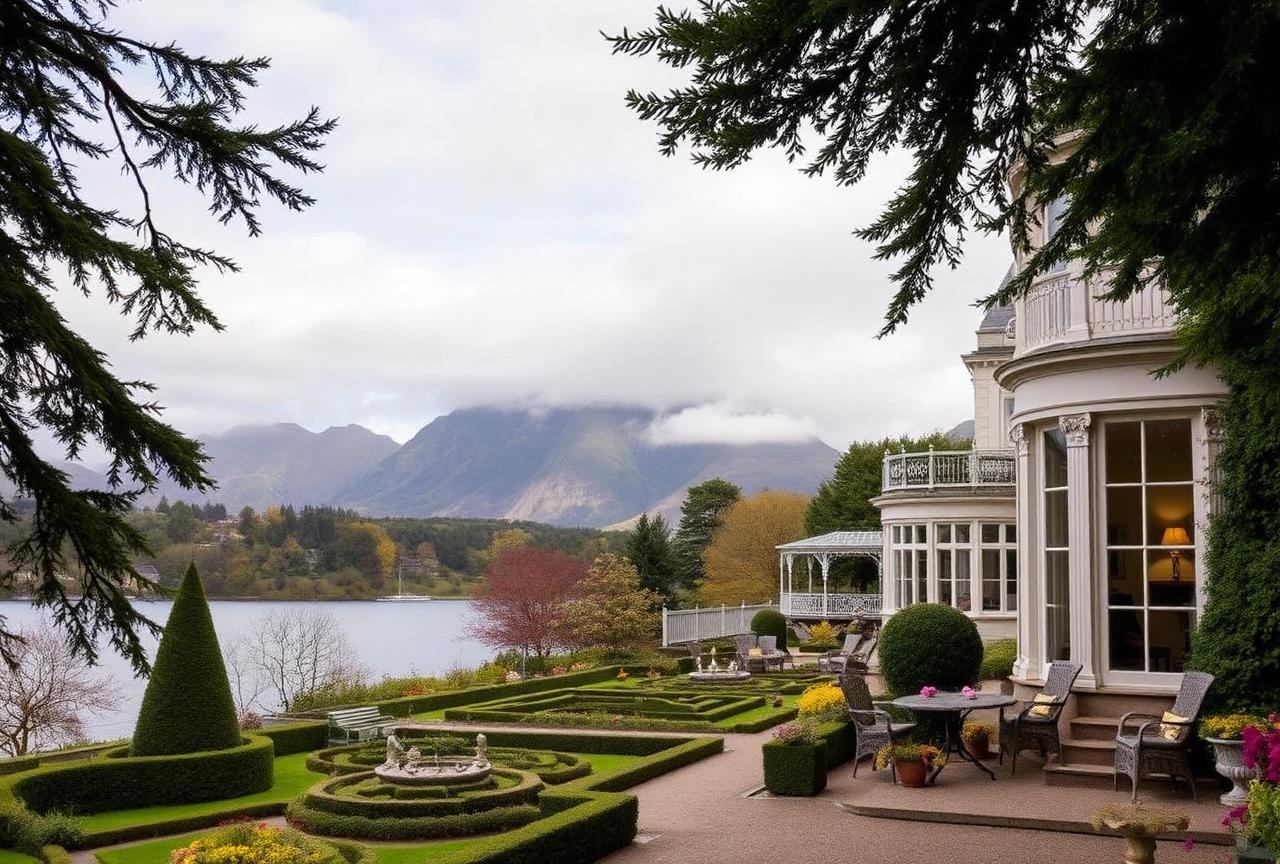
Kenmare, Co. Kerry
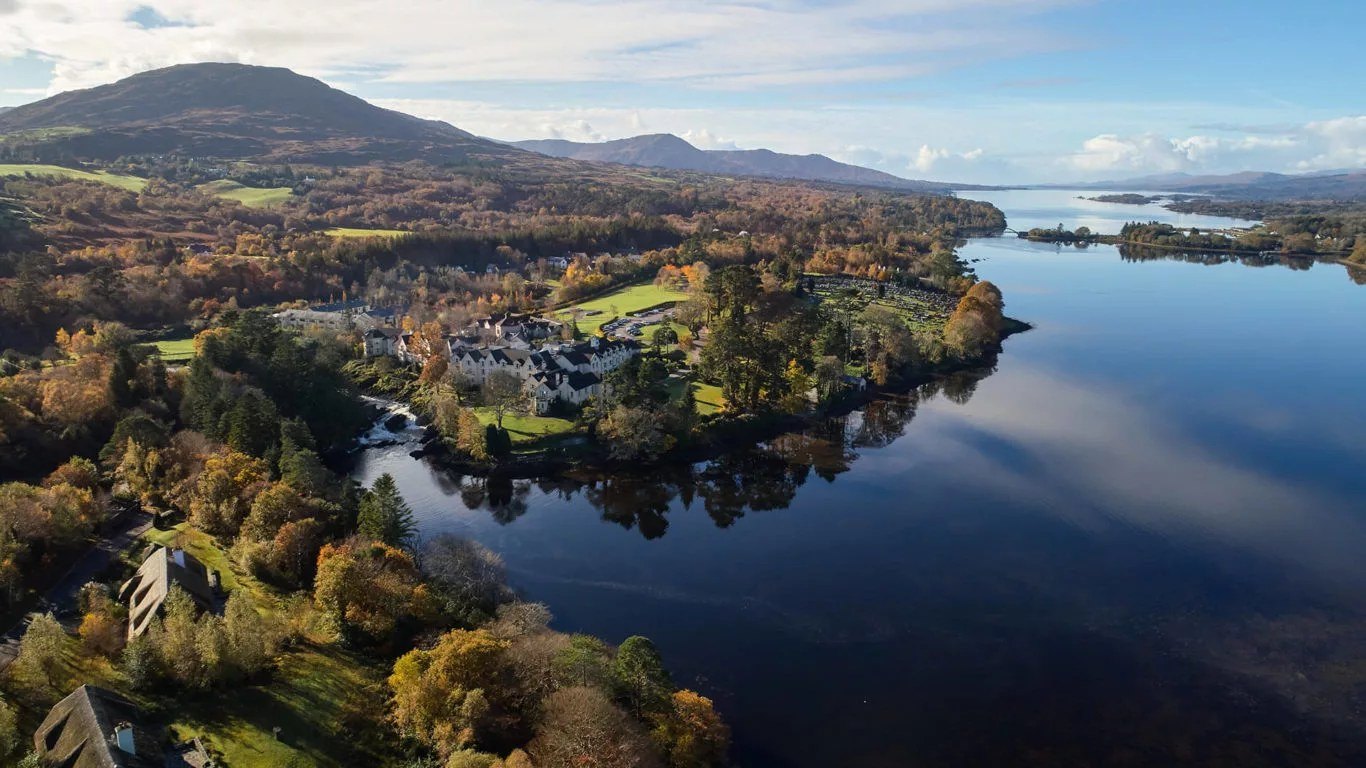
Park Hotel Kenmare
A Relais & Châteaux property overlooking Kenmare Bay. Refined, personal, and quintessentially Kerry.
Kenmare, Co. Kerry
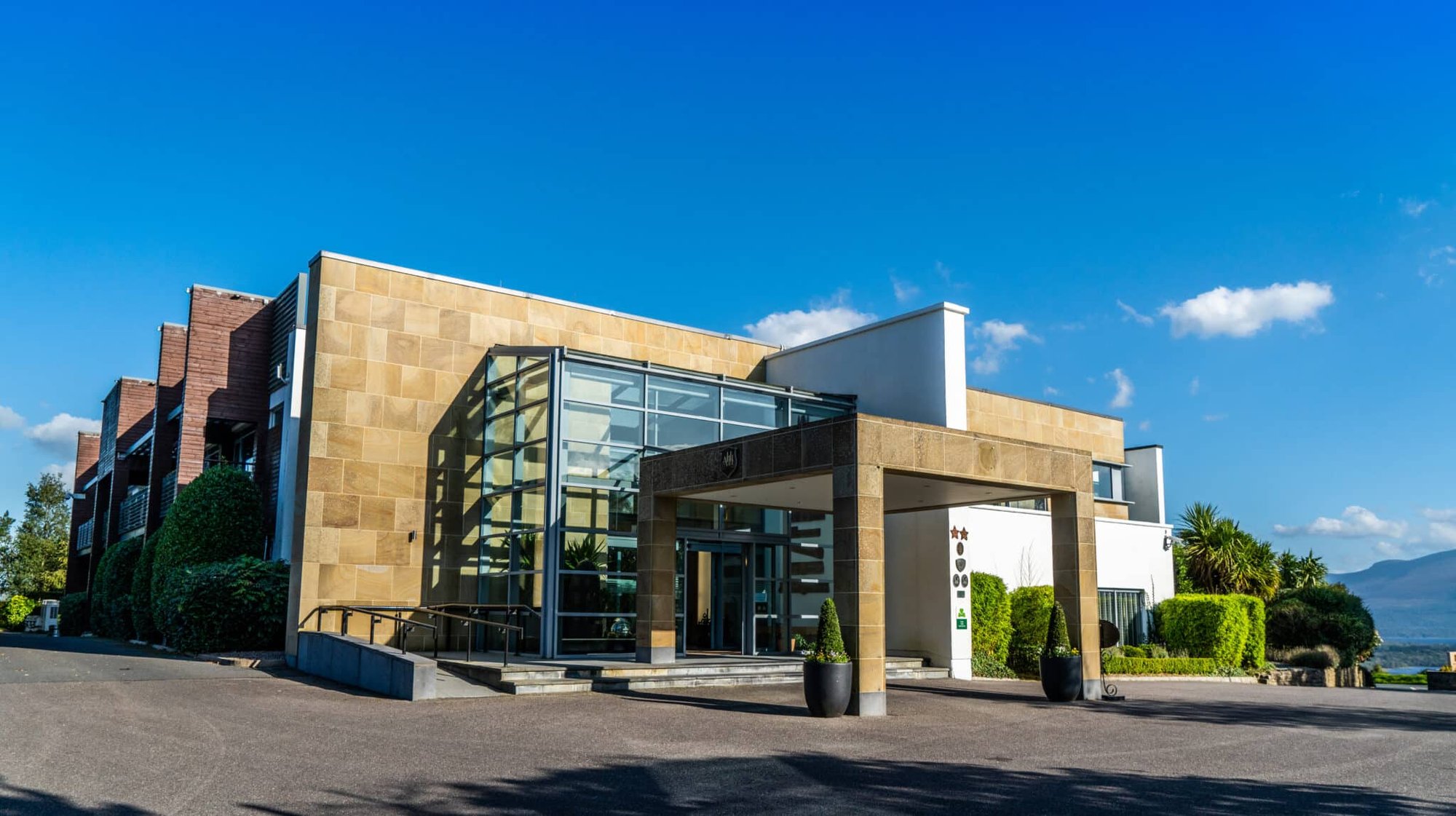
Sheen Falls Lodge
Relais & Châteaux on Kenmare Bay. Salmon fishing and wine cellar dinners.
Killarney, Co. Kerry
Aghadoe Heights
Overlooking the Lakes of Killarney with a world-class spa and panoramic mountain views.
Booking through these links supports the Notebook at no cost to you.
Questions we get asked
- Where is Waterville Golf Links?
- At the end of the Iveragh Peninsula in County Kerry, where the Inny River opens into Ballinskelligs Bay, along the Ring of Kerry road from Killarney and Kenmare.
- Who designed Waterville Golf Links?
- Eddie Hackett routed the course, and Tom Fazio later refined the front nine. The result is a receptive opening nine on the estuary and a considerably harder back nine in the dunes.
- Is Waterville a hard course?
- The front nine is receptive and will let you believe you have it solved. The back nine, from the eleventh onward, is the harder half by a clear margin, which is why we would take a caddie.
- Should you take a caddie at Waterville?
- Yes, and request one when you book rather than on the day. The club says it is happy to request caddies but cannot guarantee availability.
- When should you play Waterville?
- The second half of May, June and the first three weeks of September. The club's published main season runs 1 April to 31 October.
- Is there a Payne Stewart memorial at Waterville?
- Yes. Payne Stewart was made an honorary captain of the club, and a memorial statue stands on the property. Most visitors photograph it without stopping to read it.
How we checked this
Further reading from the Notebook