Played May 2026, walked Palmer's cliff nine at low tide
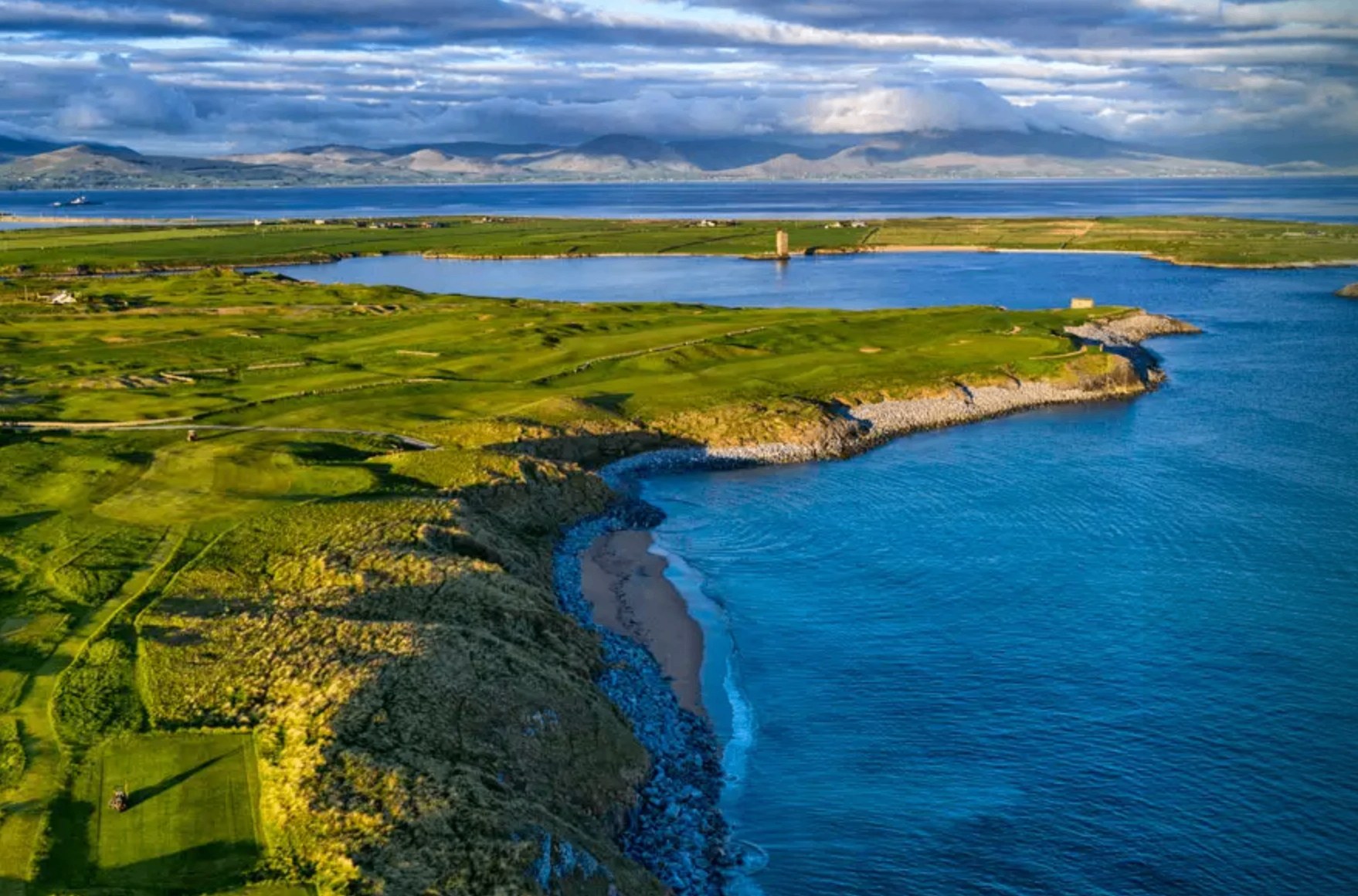
Arnold Palmer stood on the twelfth tee at Tralee in 1980 and said the line that has followed the course for forty years. I designed the front nine, but surely God designed the back. It is the sort of thing golf architects say when they know they have found a piece of ground that did the work for them, and at Tralee it is close to literally true. The dune system on the back nine at Barrow, on the north Kerry coast half an hour above Ballybunion, is one of the most cinematic pieces of links land in Europe. Palmer routed a course through it that most visiting Americans remember as the most photogenic round of their trip. The photographs are the truth. What the photographs do not tell you is how the course actually plays when the Atlantic wind is up, and it is up nine days out of ten.
Tralee, Plainly
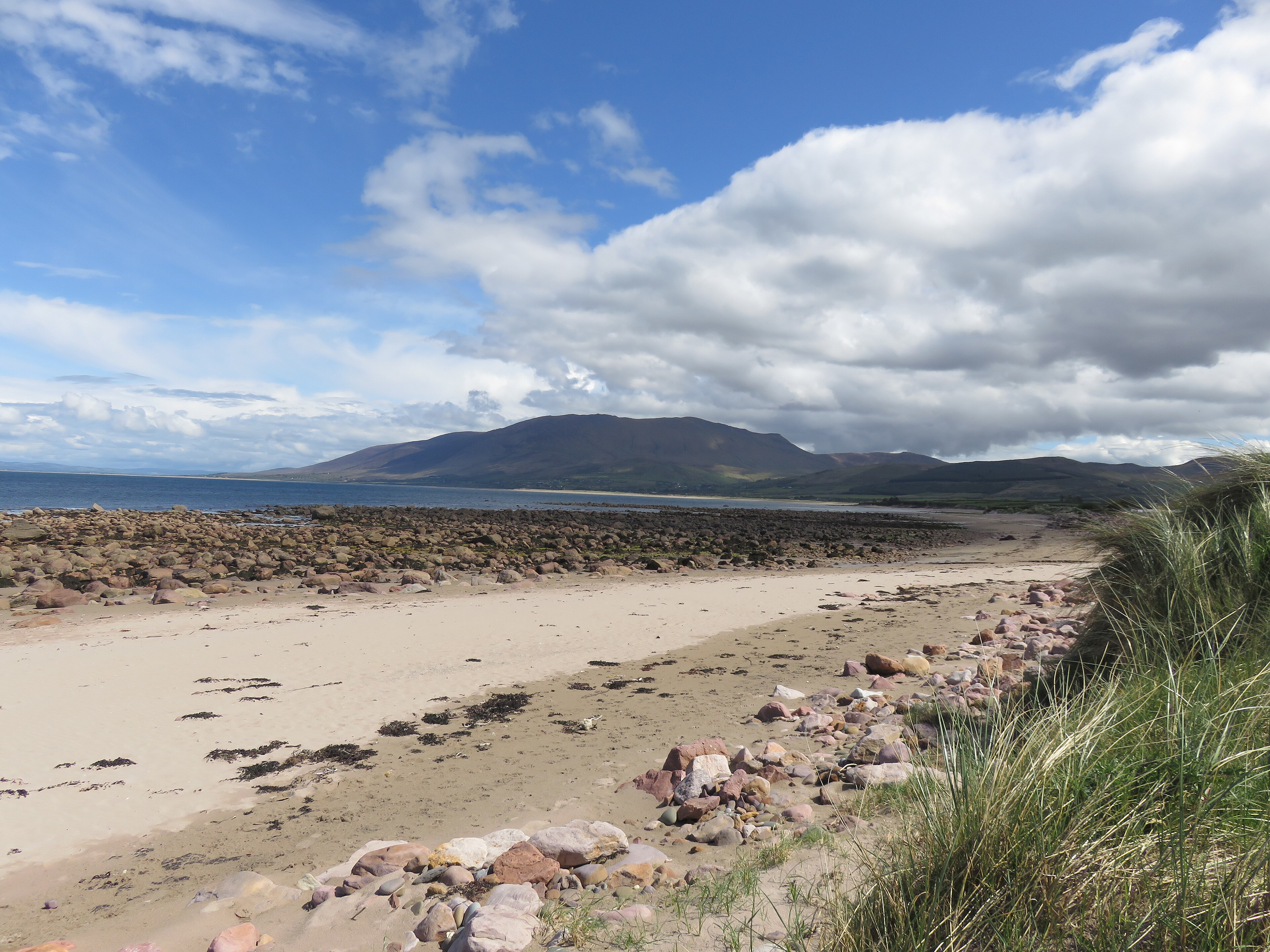
Tralee Golf Club is Arnold Palmer's first design in Europe, opened in 1984 on the Barrow peninsula. The course plays 6,940 yards from the championship tees, par 72, out in 36 and back in 36, and it divides cleanly into two halves. The front nine runs along the beach and the cliffs above the beach. It is dramatic, exposed, and it plays as a genuine seaside links. The back nine climbs into the tall dunes on the inland side of the property and becomes something closer to a dunes course, with elevated tees, blind shots, and greens sitting inside natural amphitheaters of grass. The two nines feel like two different courses. That is why the round works.
The wind at Tralee is not the wind at Ballybunion, half an hour south. Ballybunion sits on a straight coast and the wind is prevailing. Tralee sits on a peninsula and the wind rotates around you as the round unfolds. What is downwind on the second hole is crosswind on the fourth and upwind on the sixth. This is why the front nine is scorable in the morning and defensive in the afternoon, and why the caddies at Tralee will tell you, before the round starts, what wind to expect on the eleventh. If you get an eleven o'clock tee time, take it. If you get a two o'clock tee time, prepare to work.
The Palmer Front Nine
The 1st (417 yards, par four) is a downhill opener with a generous fairway and a green set in a natural bowl. It is a fair opening hole rather than a gentle one, and it is the last time the yardage will flatter you, because the back nine is not going to give you anything. The 2nd (583 yards, par five) runs along the beach on the right, and the fairway tightens where you want to hit a lay-up. It is reachable in two downwind, which is often, and the eagle putt is one of the memorable putts of the round.
The 3rd (194 yards, par three) is the first postcard. It plays from a tee cut into the cliff to a green sitting on a headland, with the Atlantic on three sides. The wind here is doing something different than the wind on the second, and the shot is one club more than the yardage. The 4th (422 yards), 5th (425 yards) and 6th (422 yards) are three par fours of almost identical length that play along the coast, and the wind is the only thing that tells them apart. Then the 7th (150 yards, par three) is the second postcard, a short iron across a small inlet to a green benched into the cliff. The 8th (387 yards, par four) is a dogleg around the beach, and the 9th (529 yards, par five) walks you back inland toward the clubhouse with a genuine chance of a closing birdie on the nine. If you have played this front nine at level par, you have played it well. If you have played it two over, you have played it about right.
The Twelfth And What Palmer Meant
The 10th (458 yards, par four) is the transition, and it is the longest par four on the card. It plays uphill into the dunes and the wind picks up as you climb. The 11th (600 yards, par five) is the first of the truly cinematic back-nine holes, six hundred yards running along the top of the dune ridge with the fairway climbing all the way to the green. It is a three-shot hole for almost everybody, almost always. The 12th (456 yards, par four) is the hole Palmer was standing on when he said the line. The tee is elevated. The fairway drops down and turns sharply right around a massive dune. The green sits in a valley that you cannot see from the tee. It is the classic risk-and-reward blind hole of the dunes school of architecture, and it is the exact reason people fly to Ireland to play golf.
The way to play it is not the way it looks. It looks like a fade off the tee across the dune to shorten the hole. The real play is a straight drive to the corner of the fairway, then a full mid-iron over the dune to a green you cannot see, aimed at the marker post on the ridge. The green is more receptive than the second shot suggests. The mistake is going for the shortcut off the tee and finding sand you cannot see or grass you cannot find. The hole gives you a par if you play it the boring way and takes a double if you play it the exciting way. Palmer knew this. He said the second line about the back nine because the back nine plays the golfer, not the other way around.
The Thirteenth Through The Sixteenth
The 13th (157 yards, par three) is a short iron to an elevated green with the sea in the distance and a valley of gorse below the tee. The wind here is often stronger than it feels because the tee is exposed above the dunes. The 14th (393 yards, par four) plays into the prevailing westerly, with a green protected by deep pot bunkers, and it is a harder hole than its yardage. The approach shot is one club more than you think, always. The 15th (300 yards, par four) is a drivable par four that most players should lay up on. The green is small, elevated, and surrounded by trouble, and the birdie putt from the front edge is easier than the up-and-down from the wrong side.
The 16th (197 yards, par three) is the third postcard. It plays from an elevated tee down to a green set in a natural amphitheater, with the dunes rising on three sides. The wind at ground level is different than the wind at tee height, and this is where the caddie earns the loop. Ask what the wind is doing at the green. Trust the answer. Take the club. This is a hole where distance control matters more than direction because the green rejects any shot that runs long.
The Seventeenth And Eighteenth
The 17th (360 yards, par four) is called Ryan's Daughter after the 1970 David Lean film that was shot on this coastline. It plays from an elevated tee down through a valley of dunes to a fairway that turns slightly left, and the second shot is a wedge to a green that sits below the level of the fairway. The visual is unlike any other approach shot in Ireland. The play is a mid-iron off the tee, a wedge in, and a two-putt par. Do not try to shorten the hole with a driver. The corner is not cuttable and the miss is unrecoverable.
The 18th (490 yards, par five) walks you back to the clubhouse along the top of the ridge. On the card it is the shortest par five on the property and the obvious closing birdie. In practice the tee shot has to carry a rise in the fairway to leave a level lie, and the green is protected front-left by a deep pot bunker, so the five is not the formality the yardage promises. Take the middle of the green, take your par, and shake hands. Most rounds at Tralee end at four or five over, and that is a good number to finish on. The course does not owe you a birdie on the last.
The Wind, The Camera, And The Round You Actually Play
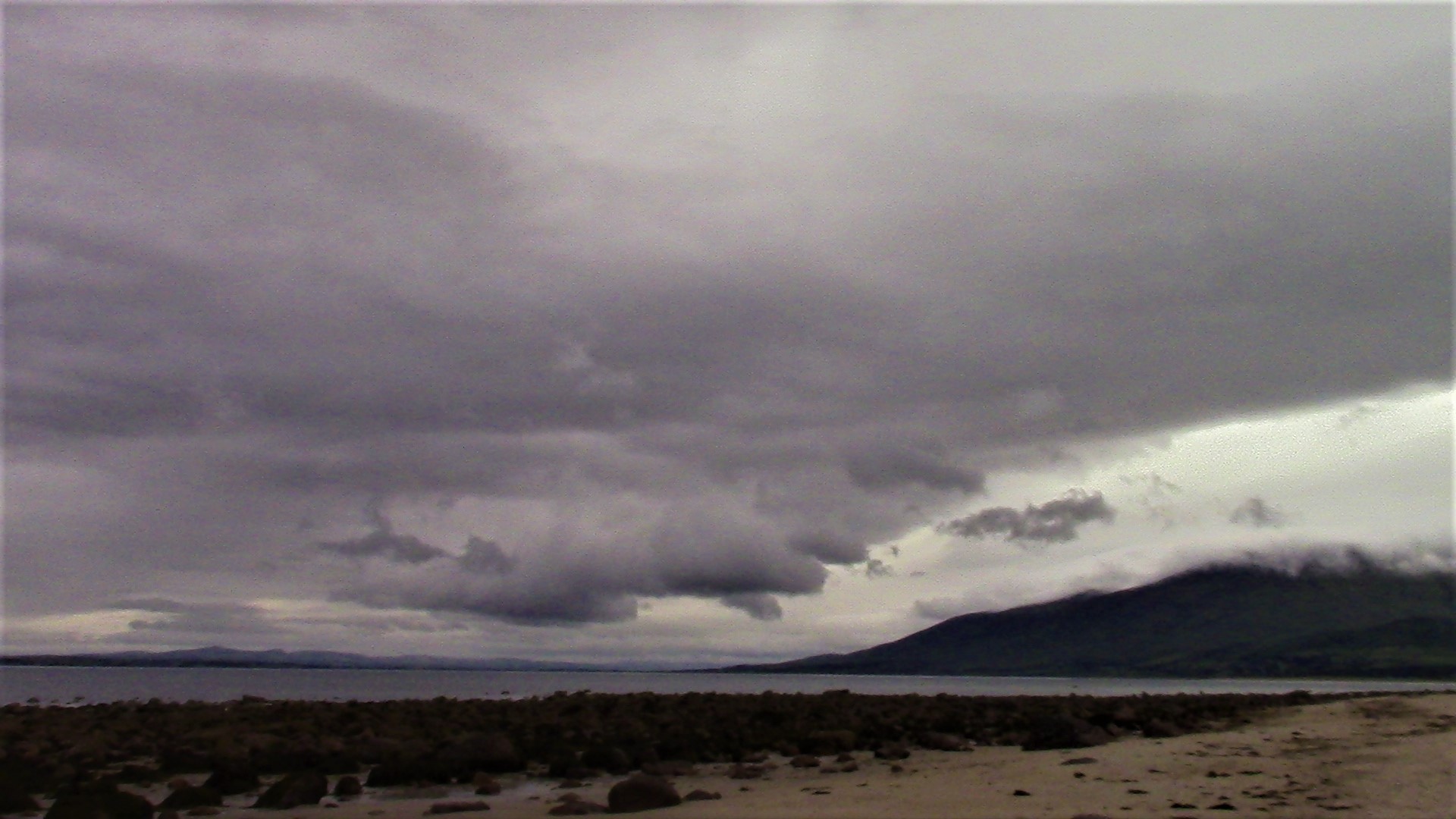
The mistake most visiting Americans make at Tralee is the phone. The back nine is cinematic in the literal sense, and the temptation is to stop on every tee to take a photograph before hitting a shot. What this does is break the tempo the front nine has given you, and the tempo is what you need on the back. Take the photographs on the walk between shots, not at the address position. The other mistake is the assumption that the front nine is a warm-up. It is not. It is where you are meant to make your score. If you arrive at the tenth tee at three over, you are going to finish at eight over, because the back nine at Tralee gives up strokes at a fixed rate no matter what your handicap is.
The wind rotates. The greens are firm in summer and receptive in shoulder season. The ball we hit here is a mid-spin urethane cover, because the front nine wants a little check on the wedges and the back nine wants a low bore-through into the wind. The tees to play are the blues at 6,760. The championship tees at 7,252 are for professionals and low-single-digit amateurs. The whites at 6,300 are the honest number for anyone north of an eight handicap. Play the tees that let you finish, not the ones that photograph best on the scorecard.
How To Fold Tralee Into A Trip
Tralee is a natural pair with Ballybunion, thirty-five minutes south along the north Kerry coast. The standard trip is two rounds in two days, and the sequence matters. We play Tralee on the first day, when legs are fresh and the back nine is the trip everyone remembers, and Ballybunion on the second day, when the round settles into the more established rhythm of a course everyone has read about for years. It is the ordering that gives Tralee the space to be the surprise it is, rather than the encore to a bigger name.
Sleep in Ballybunion village at the Marine Hotel, or drive twenty minutes to Listowel and stay at the Listowel Arms. If you are on the wider southwest arc, Tralee sits inside our seven-day golf itinerary as the second-day round on the Kerry leg, folded between Waterville and Ballybunion. It is the round that reminds visiting Americans that the Palmer name in Ireland is not a marketing tie-in. It is a piece of routing on a piece of land that Palmer understood better than most, and the course has aged into the compliment he paid it on the twelfth tee in 1980.
The Last Honest Thing
Tralee is the round that changes the shape of a southwest golf trip, because it delivers the drama that visiting Americans came for and it delivers it on the back nine, when they were not expecting it. The front nine is honest links golf along the beach. The back nine is the golf holiday people had in their head when they booked the flight. Most trips need one round like that, and if the trip includes Kerry, Tralee is that round. Do not skip it because it is one hour north of your Ballybunion tee time. Do not play it in the wrong order.
And when you stand on the twelfth tee and look down the fairway to the dune you cannot see over, do what Palmer wanted you to do. Take the boring line off the tee. Take the two-shot line to the green. Take the par. The photograph looks the same either way, and the round is longer than the twelfth hole.
Where to stay for this round
The rooms that make the round possible
There is no hotel at Barrow, so every version of this round starts with a room decision.
Killarney, Co. Kerry
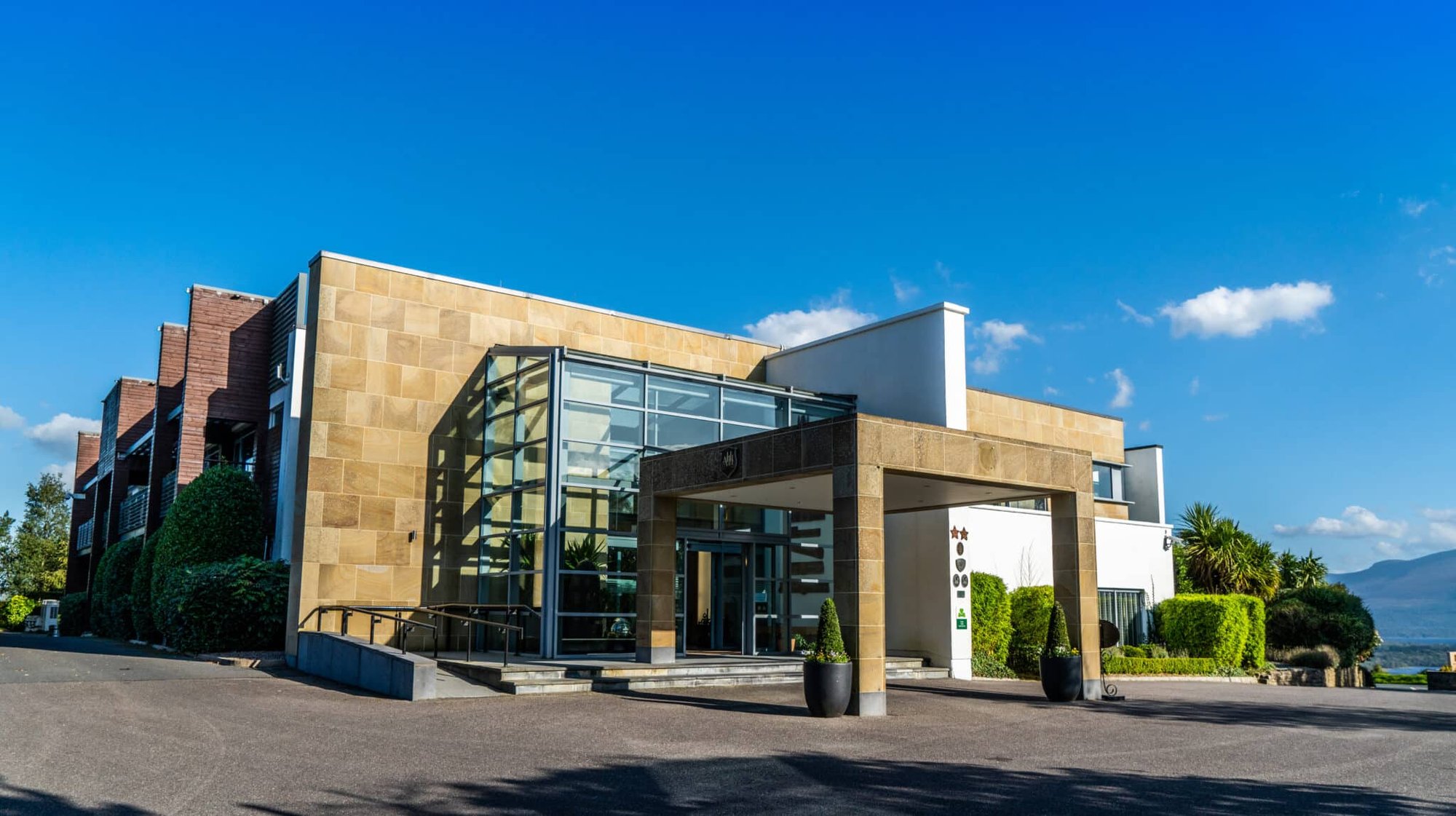
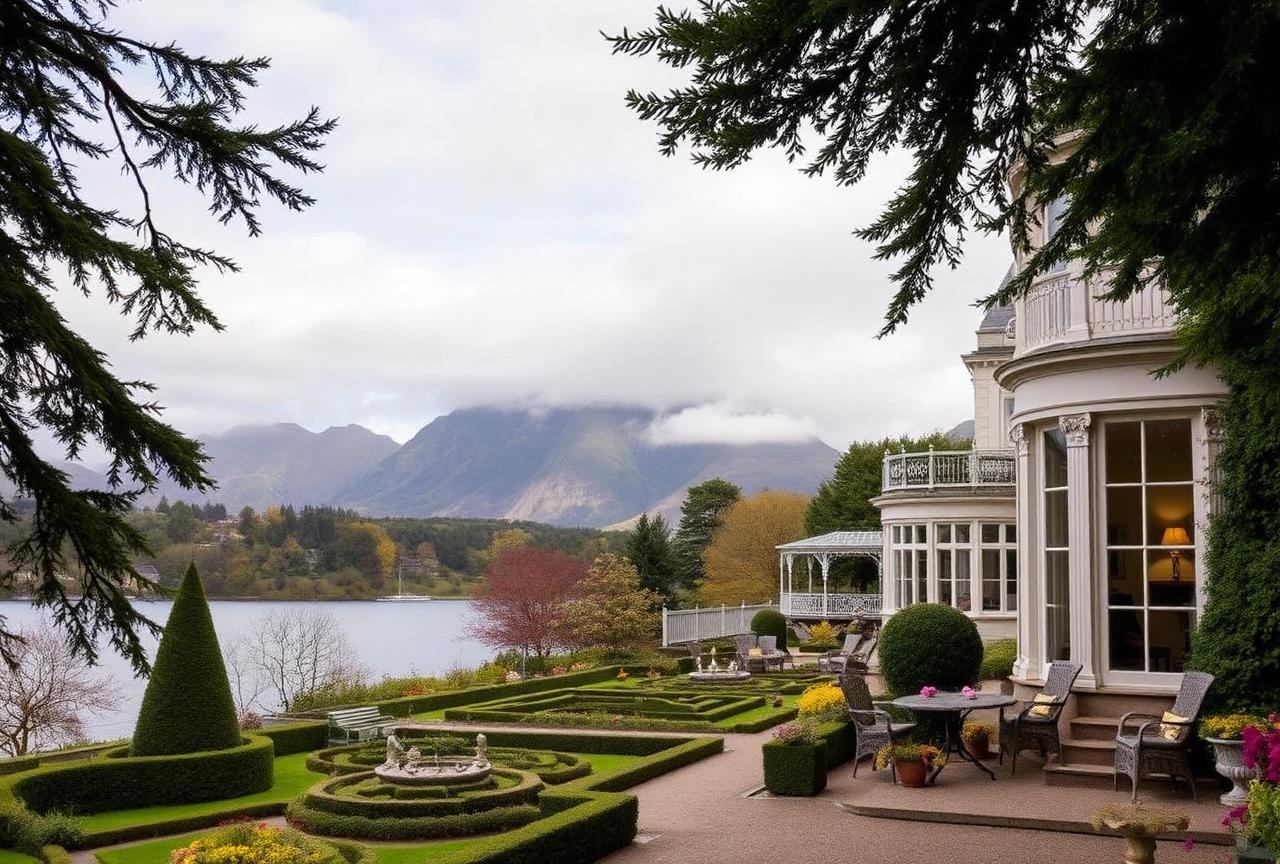
Aghadoe Heights
Overlooking the Lakes of Killarney with a world-class spa and panoramic mountain views.
Kenmare, Co. Kerry
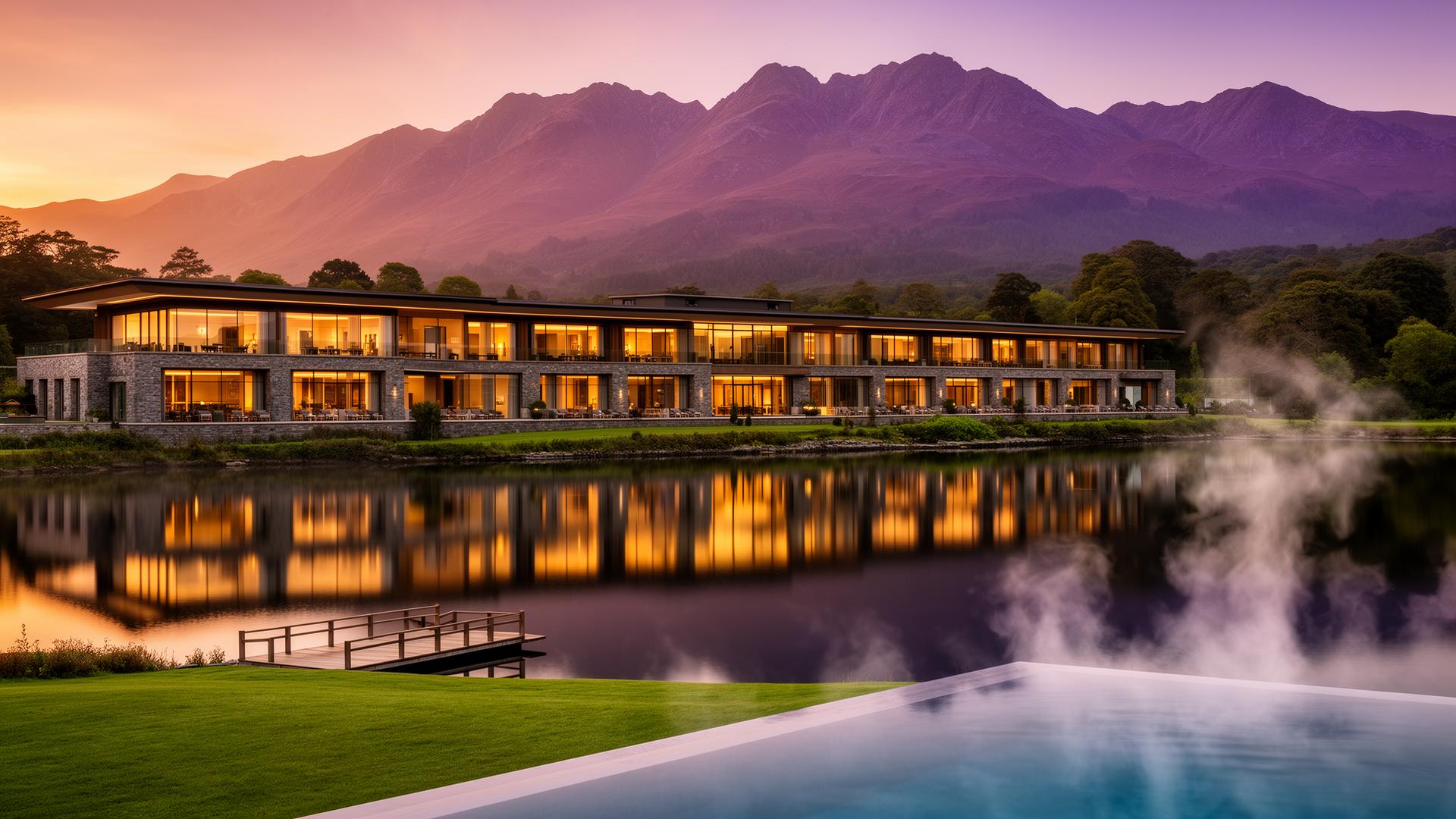
Park Hotel Kenmare
A Relais & Châteaux property overlooking Kenmare Bay. Refined, personal, and quintessentially Kerry.
Killarney, Co. Kerry
The Europe Hotel
Ireland's finest spa on the shores of Lough Léin. A complete Kerry experience.
Booking through these links supports the Notebook at no cost to you.
Questions we get asked
- Where is Tralee Golf Club?
- At Barrow, on a peninsula north of Tralee town in County Kerry, roughly half an hour south of Ballybunion.
- Did Arnold Palmer design Tralee?
- Yes. Tralee was Arnold Palmer's first course design in Europe, and the contrast between the seaside front nine and the dune back nine is the signature of the routing.
- Which nine is better at Tralee?
- The back nine is the one people photograph, climbing into dune amphitheatres with blind shots over the ridges. The front nine along the cliffs and the beach is the more scorable half.
- Is the wind a factor at Tralee?
- Considerably. The course sits on a peninsula, so the wind rotates around you as the round unfolds rather than staying prevailing. A morning tee time is reliably easier than an afternoon one.
- Do you need a caddie at Tralee?
- We would take one. The blind shots on the back nine are not obvious from a yardage book, and the caddies are club members. The club asks that they be requested in advance and does not guarantee availability.
- Is there a handicap limit at Tralee?
- Yes. The club publishes maximum handicaps of 36 for ladies and 28 for gentlemen, and it checks them. Bring a current handicap record.
How we checked this
Further reading from the Notebook