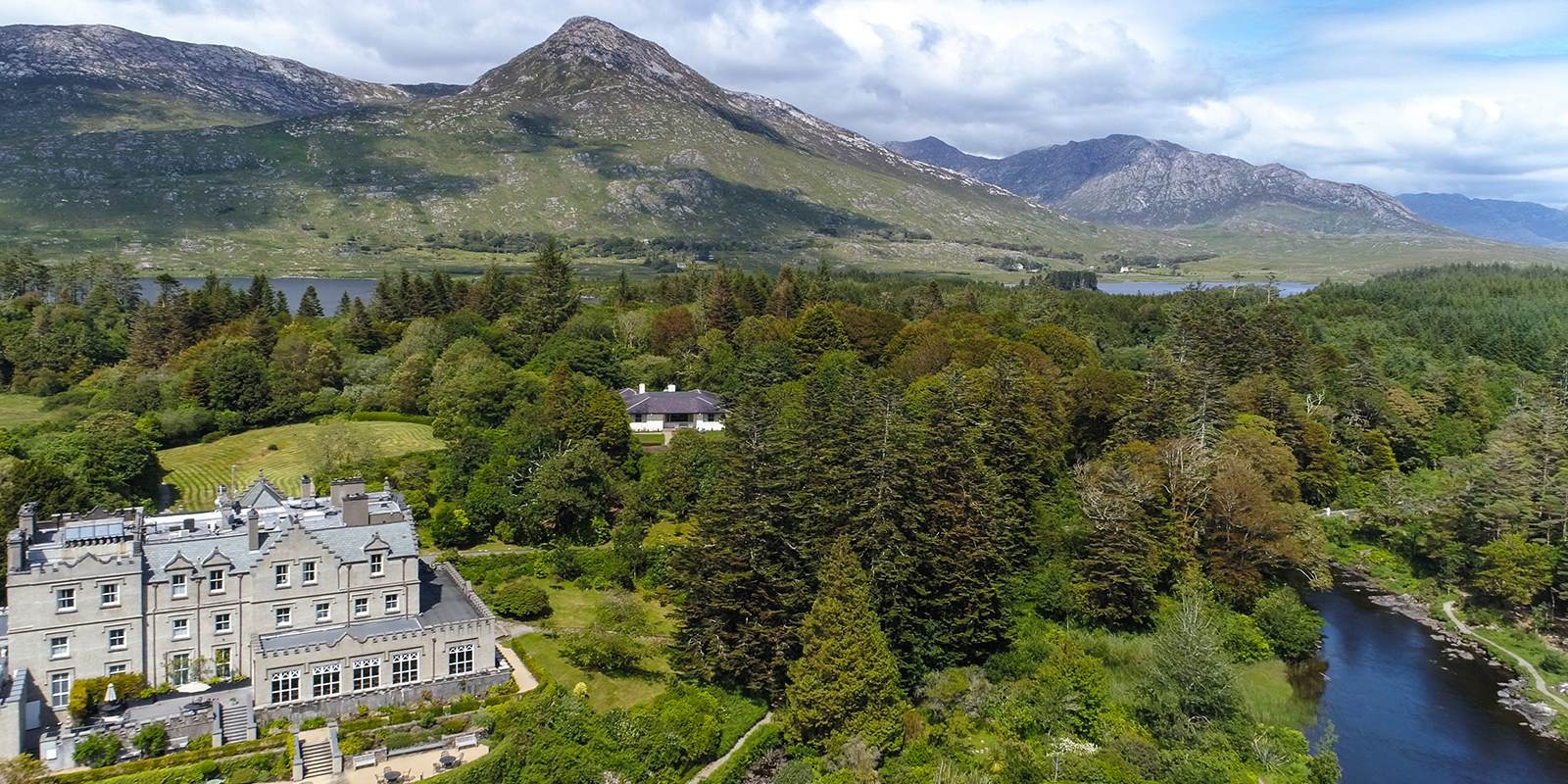
Large hotels around the world increasingly optimise for precision. The room is ready early. The preferences are logged. The pillows are arranged before you ask. The arrival is engineered down to the second so that nothing snags. Good service makes things easy. We are not against any of this. We book it ourselves when we need a flight to land and a bed to be ready and nothing else to think about. But ease is not the thing Irish hospitality is trying to give you. It is not even on the same list.
The best Irish hotels inherit their manners from Irish kitchens. The welcome at the door of a country house in Connemara is the same welcome you receive at a farmhouse in Kerry on a Sunday afternoon. The tea is the first move. The conversation is the second. The third is a kind of unhurried interest in where you have come from and what you might need next. None of this is hospitality training. It is house behaviour, transferred without alteration to a building that happens to charge for the room. If you want to understand why these hotels feel the way they do, do not start with the hotel. Start with the kitchen table that taught it.
Irish houses operate on their own rules. Guests are welcomed before they are processed. Time expands once the kettle is on. Conversations matter more than schedules, and visitors are included in whatever is already happening rather than entertained separately. The same rules govern the best Irish hotels. The drawing room is treated like a private sitting room you have been lent for the evening. The bar is treated like a kitchen counter where people lean and talk. The hotel behaves the way the house behaves. Once you notice it, you cannot unsee it.
Nobody reminisces about a minibar. We have been asked by American friends, year after year, which Irish hotels they should remember, and the answer is never about the linen or the bath products. It is about the porter at Ballyfin who walked us to the lake at dusk because he thought we should see it before dinner. It is about the manager at Gregans who sat down with us at breakfast and drew a route on a napkin. It is about the receptionist at Sheen Falls who remembered our daughter's name a year later. These are not service moments. They are emotional records, and they outlast the trip by years.
The deepest luxury in Ireland is not the upgrade or the amenity or the status. It is being treated as though your arrival matters. It is the chair pulled out before you ask. It is the staff member who remembers what you ordered last summer. It is the lingering goodbye on the steps when you leave. These gestures cost almost nothing and cannot be trained into a workforce that does not already live this way. You feel them most clearly on the day you check out, when you realise you are unexpectedly sad to be leaving a building you only spent two nights in.
The hotel is not inventing the culture. It is expressing it. The welcome already existed in the houses long before the first paying guest arrived. The conversation already existed in the pubs. The flexibility, the generosity with time, the way a stranger is folded into a room within minutes. These behaviours belong to villages and parishes and kitchens. The hotel did not create them. It learned them from the country it sits in, and the best Irish hotels are the ones that have not tried to replace those manners with a more international version of themselves.
Most people travel looking for somewhere impressive. What they remember is somewhere they felt welcome. We have watched this happen with our own American friends repeatedly. They arrive with a list of grand properties and they leave talking about the smaller place they stopped in for one night on the way west. They cannot always say why. The room was smaller. The brand was unknown. The food was simpler. But somebody asked them where they had come from, and meant it, and the rest of the trip recalibrated around that moment.
The best Irish hotels feel different because they are not operating like businesses first. They are operating like houses. The tea, the conversation, the welcome at the door, the goodbye on the steps. These are not service standards. They are the manners of a country that has always considered the arrival of a guest to be a small event worth marking. The hotel that holds onto those manners is the hotel you remember.
The most memorable luxury in Ireland is rarely what was provided. It is how you were made to feel. The best Irish hotels are not trying to impress you. They are trying to make you feel like you belong.