literary site
Marsh's Library, St Patrick's Close
Ireland's first public library. The reading cages are still bolted to the floor.
How we use it: Go on a weekday morning. Sit in the back gallery. Do not check your phone.

The Literary Dublin Edit
Four Nobel laureates, one UNESCO designation, a square mile of libraries and pubs and rooms the books still come out of.
Inside this edit
Editorial Thesis
Dublin produced four Nobel laureates in literature (Yeats, Shaw, Beckett, Heaney), two of the most-read modernist novels in English (Ulysses and At Swim-Two-Birds), the strongest current wave of contemporary Irish fiction (Sally Rooney, Anna Burns, Kevin Barry, Claire Keegan, Mike McCormack, Colin Barrett), and a UNESCO City of Literature designation it earned in 2010 on the strength of all of the above. It did this from a city the size of greater Pittsburgh, on an island the size of South Carolina, in a language it was forced to adopt and then refused to surrender. The size-to-output ratio is the entire point.
We treat Literary Dublin as the central anchor of The Ireland Edit’s reading-week ladder. It is the foundation that the Yeats Country and Heaney Country anchors hang off, and on its own it is enough to fill three, five, or seven days without repetition. This page is the canonical Ireland Edit reference for that trip. It is the source page our itinerary engine links inventory back to when the composer assembles a literary day, and it is meant to function as a definitive editorial guide for any reader who arrives here from search with no itinerary at all.
Dublin is the city where you can stand in three Nobel laureates’ rooms before lunch and drink in the bar a fourth used to write in after dinner. Plan a reading week, not a sightseeing weekend.
I am an American editor living and travelling in Ireland. I book and rebook these rooms, tables, and tours ourselves. Nothing on this page is a press junket and nothing is a generic city overview. The recommendations match exactly what our composer ships into the itinerary engine, because they are sourced from the same registry.
Dublin as a Written City
What separates Dublin from London, Edinburgh, or Boston as a literary destination is not the volume of writers per square mile (London wins that), but the density of written ground per square mile. Ulysses is a real-time map of a single Dublin day, June 16th 1904, walked across the actual city; Joyce famously said that if Dublin were destroyed it could be rebuilt from his book. The pubs of Flann O’Brien’s At Swim-Two-Birds are the same pubs you can drink in tonight. Patrick Kavanagh’s Grand Canal bench is on the canal, signposted, with the poem cast in bronze beside it.
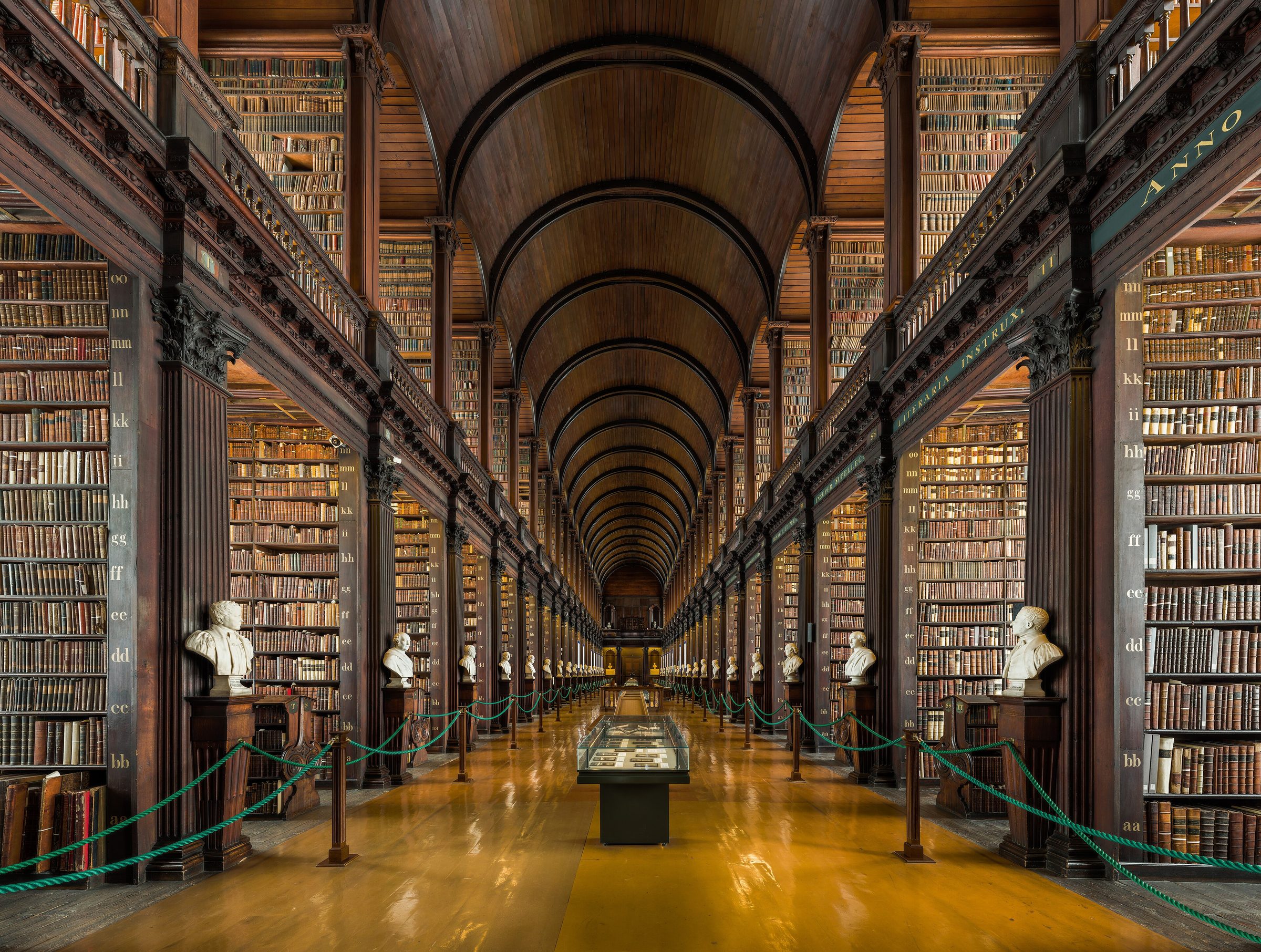
This is unusual in a serious literary city. Most great writing cities have abstract literary heritage: a plaque, a house museum, a statue. Dublin has operational literary ground. The Long Room at Trinity is still a working library. Marsh’s Library, the oldest public library in Ireland, is still in continuous use since 1707. The bookshops on Dawson Street, the snugs on Duke Street, the basement reading room at MoLI: these are places the present-tense literary city still works in, not relics of a past one.
That operational quality is what we organise the trip around. We do not send people on a checklist of plaques. We send them into the rooms the books still live in.
The Writers and Where They Lived
A useful mental map of who wrote what, and where, in the order you are most likely to walk through them on a literary week:
Jonathan Swift (1667–1745)
Dean of St Patrick’s Cathedral for thirty-two years and the first great Dublin satirist. Buried in the cathedral floor beside his Stella. Marsh’s Library, two minutes from the cathedral, is the library he used; his marginalia is still in some of the books.
W. B. Yeats (1865–1939)
Born in Sandymount, grew up between London, Sligo, and Dublin. The Yeats family rooms on Fitzwilliam Square are gone; the Yeats archive at the National Library on Kildare Street is intact. The 1916 plays were rehearsed at the Abbey, which he co-founded with Lady Gregory in 1904.
James Joyce (1882–1941)
Born in Rathgar, raised in Bray and Blackrock and a dozen Dublin houses as the family declined. Wrote Dubliners in Trieste from memory; wrote Ulysses in Trieste, Zurich, and Paris. Returned to Dublin only briefly as an adult. The Joyce Centre on North Great George’s Street and the MoLI on Stephen’s Green are the operational Joyce sites.
Samuel Beckett (1906–1989)
Born at Cooldrinagh in Foxrock, south Dublin. Trinity College (modern languages, 1923–1927), then Paris. Returned often. The Beckett Bridge, the Beckett Centre at Trinity, and the bronze plaque on the Writers’ Walk are the city’s tributes. The early novel Murphy is set in London but written from Dublin.
Elizabeth Bowen (1899–1973)
Born on Herbert Place beside the Grand Canal. Spent her childhood between Dublin and Bowen’s Court in Cork. The autobiography Seven Winters is the great prose record of Edwardian Anglo-Irish Dublin childhood. The Bowen plaque is on Herbert Place; the canal walk south is the page she wrote.
Patrick Kavanagh (1904–1967), Brendan Behan (1923–1964), Flann O’Brien (1911–1966)
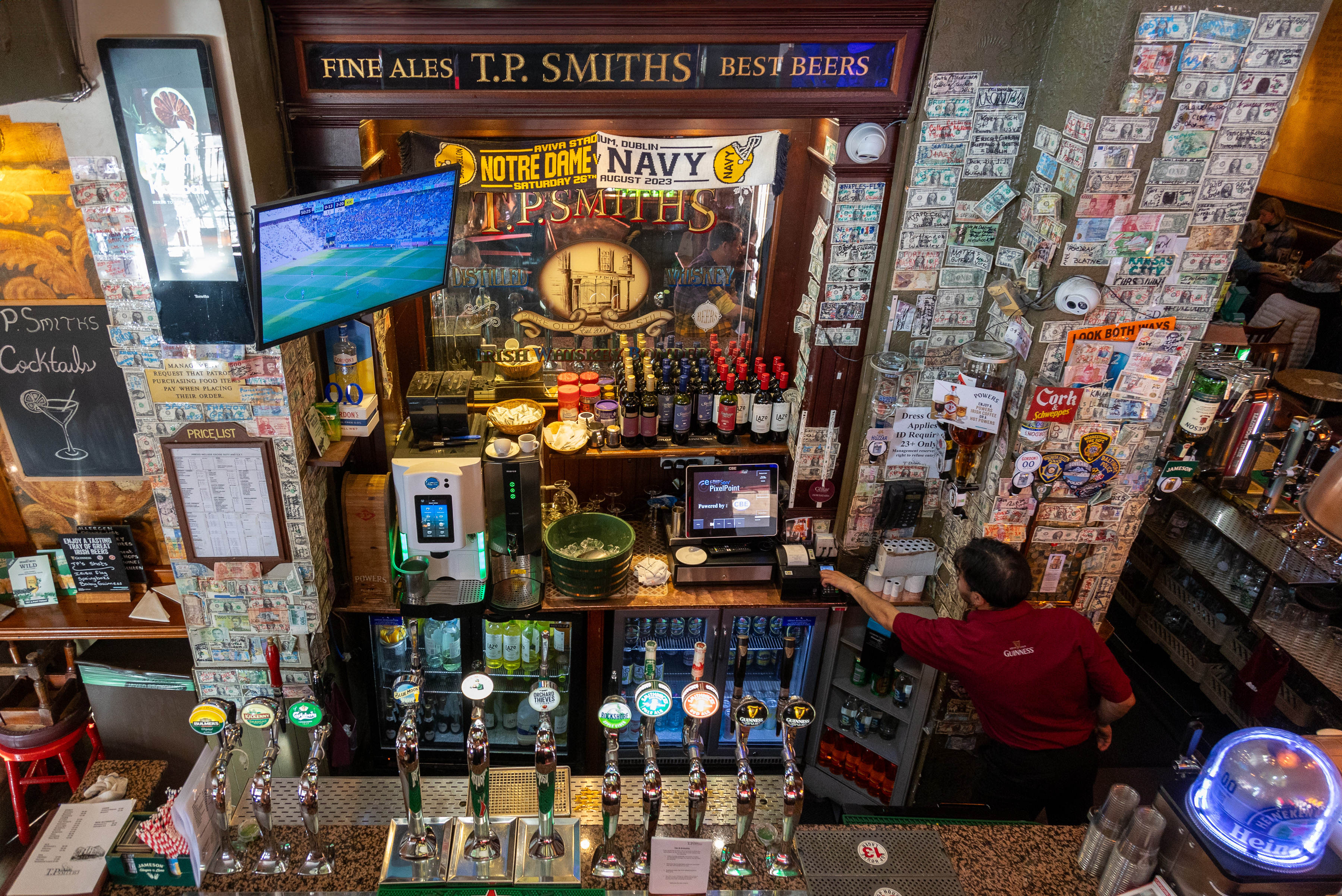
The mid-century pub triumvirate. Their pubs are still working pubs: McDaid’s, the Palace Bar, Mulligan’s, Grogan’s, Neary’s, Davy Byrnes. You can drink in their rooms tonight. The trip we book is partly designed around this fact.
Seamus Heaney (1939–2013)
Born in Bellaghy, moved permanently to Sandymount in 1976, lived on Strand Road for the rest of his life. The Yeats archive at the National Library and the small Heaney collection at MoLI bracket his Dublin years. He is buried in Bellaghy; the city he wrote from was Dublin.
The contemporary wave
Sally Rooney’s Trinity, Anna Burns’ Belfast-edged Dublin readings, Claire Keegan’s Wicklow-and-Wexford prose launched here, Paul Murray’s south-Dublin novels: these books are launching from the Gutter Bookshop, Hodges Figgis, and the Irish Writers Centre. The present-tense city is at least as worth the trip as the past.
A Short Literary Geography
Dublin’s literary city is unusually compact. The whole working trip fits inside the old Georgian core: from St Patrick’s Cathedral in the south-west, north-east through Trinity, Merrion Square, and Stephen’s Green, then west across the Liffey to the North Quays and the Joyce Centre on Parnell Square. That is roughly a square mile. You walk it.
The four quadrants we use as a mental map:
The Dublin you walk in a literary week is roughly the size of Boston’s North End. The density of pages-per-square-mile is the highest in the English-speaking world.
How to Read Dublin on the Ground
Five days is the version we book most often. Three days is the floor. The shape below is the floor; the longer ladders simply slow each day down and add the canal walk, the second bookshop morning, the Sandymount evening, and (in seven-day form) a Sligo overnight as a middle-day substitute.
Arrive south-side. Check in at The Merrion or The Shelbourne. Walk to Trinity for the Long Room and the Book of Kells in the late afternoon, after the coach tours have cleared. Cross to Hodges Figgis on Dawson Street. Dinner at Etto on Merrion Row. First pint at Kehoe’s on South Anne Street, in the Victorian snug behind the bar.
Out by 9:30. Marsh’s Library on St Patrick’s Close as soon as it opens; the back gallery, with the seventeenth-century reading cages, is the moment. St Patrick’s Cathedral after, for Swift’s grave. Lunch in the Liberties (Bastible, if booked). Walk back through Iveagh Gardens to MoLI on Stephen’s Green. The Ulysses room and the garden cafe. Tea at The Merrion or The Shelbourne. Dinner at F.X. Buckley on Pembroke Street; the basement is the room.
Cross the Ha’penny Bridge. Writers’ Walk along the North Quays. The Joyce Centre on North Great George’s Street. Lunch upstairs at The Winding Stair on Ormond Quay, with the river through the windows. Bookshop afternoon at the Gutter on Cow’s Lane and at Books Upstairs on D’Olier Street. Pre-dinner pint at the Palace Bar on Fleet Street. Dinner at the Saddle Room at The Shelbourne or back at Etto. Last pint at Mulligan’s of Poolbeg Street, which is the right pub for the final glass of any Dublin trip.
Sweny’s Pharmacy on Lincoln Place at noon for the Ulysses reading, lemon soap from the counter. Walk south along the Grand Canal to the Kavanagh bench. DART to Sandymount; the strand at low tide, Beckett’s Cooldrinagh signposted nearby. Back into town for an early pint at Grogan’s. Dinner at the Winding Stair if you missed it earlier.
Half-day for the marquee dinner if you booked Chapter One or Patrick Guilbaud as the occasion booking. Long morning at Hodges Figgis or the Gutter for the books to take home. Afternoon at the Lord Mayor’s Lounge at The Shelbourne for the final tea. Evening pint at Neary’s on Chatham Street, the actors’ pub, gas lamps lit.
The Literary Rooms and Ruins
These are the places our itinerary engine treats as the gravity centres of Literary Dublin. Each is editorially weighted, not search-ranked.
Ireland's first public library. The reading cages are still bolted to the floor.
How we use it: Go on a weekday morning. Sit in the back gallery. Do not check your phone.
Joyce's first edition of Ulysses, the garden cafe, a quiet hour off Stephen's Green.
How we use it: Start with the Ulysses room. Then the garden cafe. Then walk back through Iveagh.
Two hundred thousand books. The brass spiral handrail worn dark by a century of hands.
How we use it: Touch the brass rail on the way up. It is the spine of the whole trip.
Bronze plaques in the pavement from O'Connell Bridge to the Custom House.
How we use it: Walk it slowly. Stop at the Beckett plaque. Then a Guinness at Mulligan's.
Bookshops
A literary trip is judged in part by the books you carry home. The four below are the ones we still return to. Pair any of them with a slow pot of tea afterwards.
Trading since 1768. The Irish fiction wall on the ground floor is the one.
How we use it: Ground floor, left as you enter. Irish fiction. Buy something hardback.
Independent, opinionated, exactly the right size. Ask Bob what to read.
How we use it: Talk to whoever is at the counter. They will hand you the right book.
Bloom bought his lemon soap here. Now they read Ulysses aloud at noon.
How we use it: A bar of lemon soap, a paperback Joyce, and stay for the reading if you can.
Cafe upstairs, poetry shelves downstairs. The slow afternoon, defended.
How we use it: Pot of tea upstairs, a poetry slim volume, the window over D'Olier Street.
The Pubs
Filtered to literary pedigree, which is to say the pubs the mid-century triumvirate (Kavanagh, Behan, Flann O’Brien) drank and wrote in, plus the room Joyce wrote into the eighth chapter of Ulysses. None are theme bars. All are working pubs the locals still use.
The journalists' pub. Patrick Kavanagh in the back room, Flann O'Brien at the bar.
How we use it: A Guinness, the back snug, a copy of the Irish Times someone left on the bench.
Brass gas lamps, mahogany, the actors' pub since 1887.
How we use it: Stand at the bar. Guinness, slowly. The upstairs snug if it is raining.
Bloom's gorgonzola sandwich and a glass of Burgundy. Joyce wrote this room in.
How we use it: The gorgonzola sandwich and a glass of Burgundy. Yes, both. Yes, that exact order.
1782. Joyce drank here. The right pub for the last pint of any Dublin trip.
How we use it: Front snug if empty. One Guinness. Do not order food. Do not ask for music.
Painters and poets and a toasted ham-and-cheese. The afternoon pub.
How we use it: A pint and the toastie. The corner table, if you can get it.
Tables, Hotels, the Right Tea
The rooms below are the same rooms our composer pulls into a Literary Dublin day. Filtered: no marquee tasting menus, no destination-restaurant trophies. The literary trip wants linger and conversation, not the four-month booking window.
Four Georgian townhouses, one fire, the right Dublin hotel for a reading week.
How we use it: Garden room, never Main House. Tea brought up at four.
Stephen's Green at the window. The Horseshoe Bar at five.
How we use it: Park-facing room, floor four or above. Horseshoe Bar before dinner.
A long counter, a Vermentino, two hours that pass without you noticing.
How we use it: Left-wall table. Cacio e pepe, a glass of Vermentino. No phones on the bar.
Burgundy banquettes, a room writers have eaten in for a century.
How we use it: Sit on the green leather. Order the half lobster, ask for the Stephen's Green window.
A Georgian basement, a fillet, a bottle that lasts longer than the meal.
How we use it: Bone-in ribeye, peppercorn sauce on the side. Stay for one more glass.
Thirty covers, natural wine, bread you ask for seconds of.
How we use it: The tasting menu. Ask for seconds on the bread course.
Above a 1970s bookshop, river light through tall windows, a long Irish lunch.
How we use it: Window table over the Liffey. Smoked haddock, brown soda, a glass of muscadet.
Inside the Wider Trip
Literary Dublin is the central anchor. The two regional anchors (Yeats Country in the west, Heaney Country in the north) are designed to slot into the longer ladders as substitutions, not additions. The three-anchor trip (Dublin, Sligo, Bellaghy) is the full literary spine of Ireland and the version we recommend if the calendar allows.
The ranked Top 10 companion: bookshops, libraries, plaques, and the order to walk them in.
The dining-room half of the trip. The tables Edna O’Brien, Anne Enright, and Sally Rooney still book.
The western literary anchor. The cleanest 7-day Literary Dublin ladder swaps a middle day for this.
The northern literary anchor. Paired with a Belfast night; the morning Heaney day.
The wider Dublin city guide. Use this for non-literary days: Georgian walks, food, the harbour, Howth.
Our printed editorial editions, including the literary issues sent quarterly to subscribers.
Longer-form Ireland Edit essays on reading, weather, and the country of the page.
The full route where Literary Dublin, Yeats Country, and Heaney Country sit together.
The Long View
The serious answer is the size answer. Dublin is too small for its literary output to be statistically explicable. Four Nobels, two epoch-defining novels, an unbroken modernist line from Swift through Beckett through Banville, and a current wave that is arguably the most-read English-language fiction of its decade, all from a city the size of greater Pittsburgh, on an island the size of South Carolina. The disproportionality is the experience.
What you are visiting, when you walk this square mile, is the proof that a serious literary culture is the cumulative effect of a few thousand people writing seriously in the same small streets for three hundred years. Marsh’s opened in 1707. Swift died in 1745. Joyce was born in 1882. Heaney died in 2013. Rooney is forty-one. That is a single continuous conversation, in one mile of paving, across four centuries. Almost no other city in the English-speaking world has it.
We send people to Dublin for a reading week, not a sightseeing weekend. The city rewards the reader; the tourist gets the postcard.
That is the disposition this whole edit, and the itinerary engine it anchors, is organised around. The pubs are not novelty bars. The libraries are not museum pieces. The bookshops are not gift shops. They are the present-tense apparatus of a small serious city that has not stopped writing. The trip that takes them that way is the trip we will recommend, every time, over the version that does five capitals in ten days.
Literary Dublin · Insider Intelligence
Literary Dublin is a walking city within a walking city, and the only real logistics are the ticketed rooms. Trinity is timed entry. The pubs are not. The hotels that matter sit between the two, which means the whole day can be done on foot from one address.
Upper Merrion Street
Ask for: A Main House room in the original townhouses
Four restored Georgian townhouses opposite Government Buildings, a few minutes from the galleries, the museums and Grafton Street. The literary city is outside the door.
27 St Stephen's Green
Ask for: A Green-facing room
On the Green itself, with six published bars and lounges in the building for the evenings when the reading list wins.
One of the hotel's published rooms, alongside the Saddle Room, the Horseshoe Bar, No. 27, the 1824 Bar and the Terrace. Afternoon tea vouchers are published separately.
Hours are not published. Central reservations is +353 1 663 4500.
Afternoon tea after the Long Room, not before. You will want to sit down.
In the hotel's 18th-century vaults, alongside The Garden Room and the No. 23 Cocktail Bar.
Hours are not published on the homepage.
One drink in the vaults before dinner. It is the most Georgian room in the city.
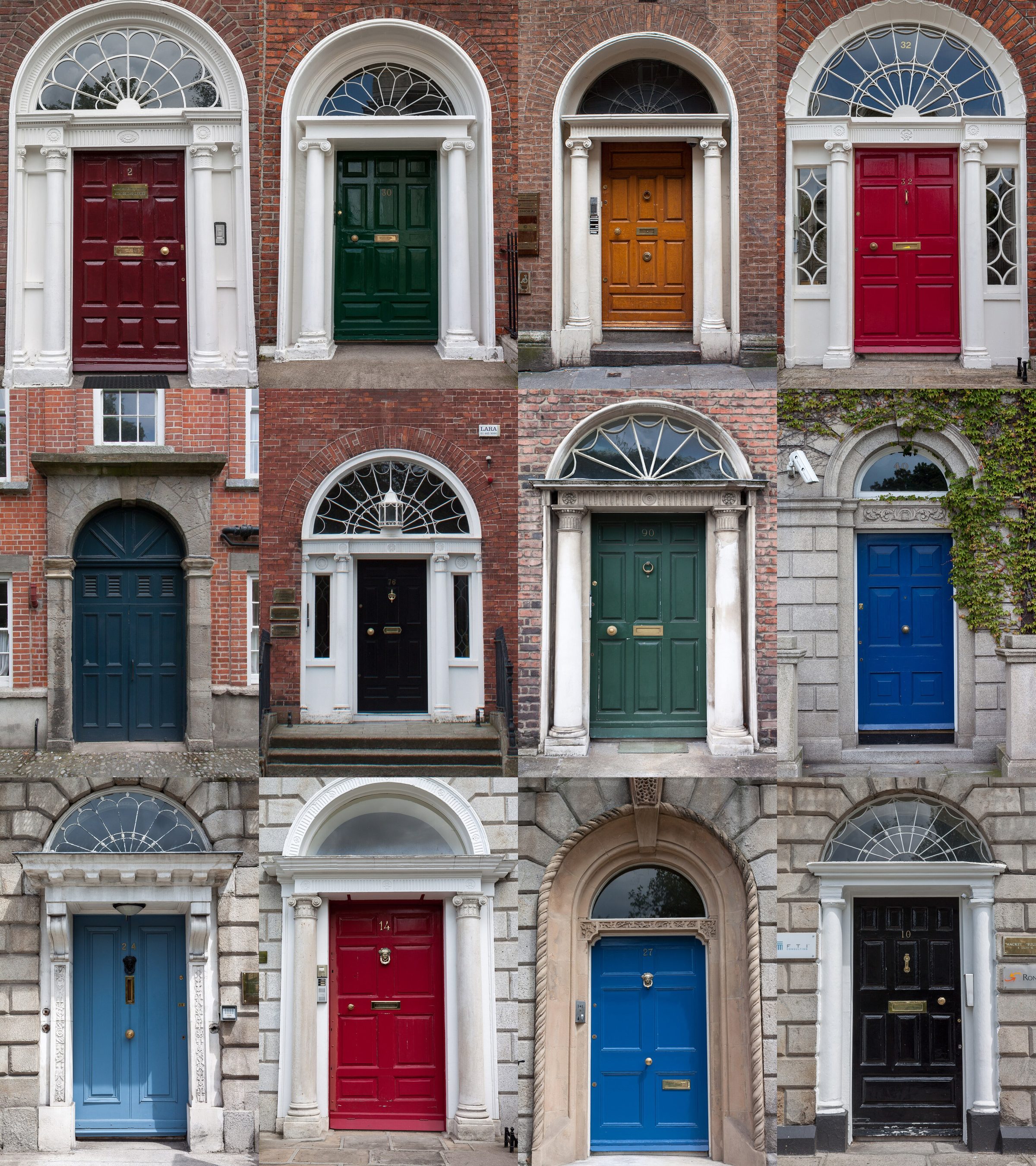
Literary Dublin can become a plaque-hunting exercise. We would rather you read one book properly before you come and visited four places slowly than photographed fourteen doorways.
Please confirm our room's building and outlook, and hold afternoon tea on the day we visit Trinity.
Experiences in Literary Dublin
Curated by us, booked through Viator. Small groups, sensible departures, and the local knowledge that turns a checklist day into a memorable one.
St Patrick’s Cathedral, Book of Kells & Dublin Castle
Half day · Guided
The structural literary morning. Swift’s cathedral, the Long Room, and the Castle in a single guided run if you are short on time.
Book on ViatorThe Dublin Whiskey Story
Evening · Tasting
The late-evening counterpoint to a long literary day. Booked between dinner and the last pint.
Book on ViatorWhere to stay near Literary Dublin
Real bases for visiting Literary Dublin, vetted by us. Check your dates for current rates on the linked property's page. We earn a small commission if you book through these links, at no cost to you.
The Merrion
Upper Merrion Street, Georgian Dublin
Four Georgian townhouses, one fire, the right Dublin hotel for a reading week. Garden Room, never Main House.
Check availabilityThe Shelbourne
St Stephen’s Green
Stephen’s Green at the window, the Horseshoe Bar at five, the Lord Mayor’s Lounge for tea. The first-trip Dublin hotel.
Check availabilityThe Westbury
Off Grafton Street
If you want a quieter contemporary alternative within thirty seconds of Hodges Figgis and Kehoe’s.
Check availabilityCommon questions
This page belongs to our literary Ireland edition.